Categories more
- Adventures (62)
- Arts / Collectables (14)
- Automotive (77)
- Aviation (65)
- Bath, Body, & Health (123)
- Children (6)
- Cigars / Spirits (71)
- Cuisine (66)
- Design/Architecture (22)
- Electronics (63)
- Entertainment (36)
- Event Planning (115)
- Fashion (45)
- Finance (10)
- Gifts / Misc (6)
- Home Decor (118)
- Jewelry (41)
- Pets (3)
- Philanthropy (1)
- Real Estate (16)
- Services (44)
- Sports / Golf (14)
- Vacation / Travel (85)
- Watches / Pens (33)
- Wines / Vines (34)
- Yachting / Boating (67)


Regions of Revival: The New Premium Age of Smoke Culture


Published
04/19/2026Smoke culture today has changed from being an automatic habit for most smokers to a much more intentional and refined experience. Most modern-day enthusiasts do not just smoke their products but instead select items that offer quality, have knowledge of the materials used to make them, and pay attention to how well they were made. This new mindset towards smoke culture has created some type of “premium era” or “era of luxury” in smoke culture based on intent, education, and higher standards.
A Clear Change in Focus
People today are no longer satisfied with cheap mass-manufactured products; there are growing requirements for materials carefully obtained from reliable sources, cleaner processing, and better design. Whether it is tobacco, herbs, or devices, users want to know where their products come from and how they’re made. This change speaks to wider consumer trends. Smoke products are receiving similar industry standards as food, fashion, and technology. Transparency and quality are now what is expected.
The Role of Craftsmanship
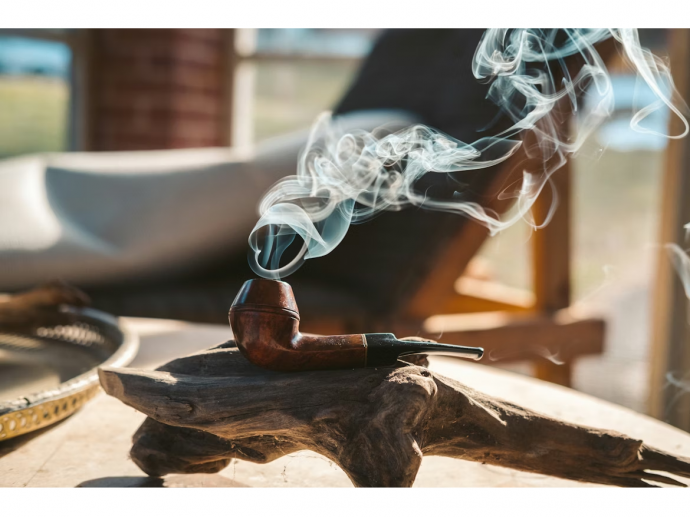
High-end smoke culture has a place for craftsmanship. From hand-rolled cigars to precision-engineered devices, attention to detail matters more than ever. Manufacturers are developing better materials, better engineering, and improved appeal. This encompasses everything from pipe production and vaporizers to curing and blending tobacco and herbs. Consequently, the experience of the user is enhanced in terms of continuity and pleasure. Consumers are getting wiser, too. They know the difference between good products and bad products, and can pay a premium price for them.
A More Informed Consumer Base
Information has changed the way in which people view smoke culture. Websites, blogs, and forums give extensive information about items, methods, and health-related issues. Accordingly, consumers are making wiser choices. They research in advance when they make a purchase, they compare choices, and they seek expert recommendations. This has raised the market’s high-quality standards in every way. This has raised the overall standard of the market, as brands must now meet higher expectations. Education is also helping users understand how to get the most out of their experience. This includes learning about temperature control, storage methods, and product maintenance.
Technology is Behind the Innovation
Current smoke culture is evolving due to technological advancements that enable improved performance, control, and consistency for all types of smoke-related products.
An example of this evolution includes the introduction of advanced heat technologies within electronic vaporizing devices. The new heat technologies have enabled users to more accurately adjust temperature, which can affect both flavor and efficiency. Understanding the different heat options has also evolved into a large aspect of user experience.
The Importance of Personalization
The premium age is defined in part by consumers’ desire for product customization or personalization based on the consumer’s unique preferences and lifestyle.
This includes options like choosing specific blends, customizing devices, and selecting accessories that enhance the experience. Personalization allows users to create a routine that suits their individual needs rather than relying on a one-size-fits-all approach.
Brands are responding by offering more options and flexibility. This has led to a more diverse market where users can find exactly what they are looking for.
Health and Responsible Behavior
Smoking culture has become more health-conscious. The dangers of tobacco use have been publicized for decades; however, many smokers today seek alternative options to responsibly reduce their risks as much as possible.
Some of these include researching smoke alternatives, better understanding what makes up the product you consume, and being aware of your own personal habits regarding how often and at what levels you smoke.
There is also a growing trend towards cleaner forms of consumption and minimizing contact with smoke’s toxic by-products. It may never be fully possible to eliminate all health-related risks, yet many are choosing to take steps toward being more knowledgeable and more conscious of their actions related to smoking.
The Social and Cultural Dimensions
There is an evolution of the social dimensions of smoke culture. Instead of smoking being based on habitual actions, it has become a way for people to connect with others through their collective experiences.
Smoking-related conversations are occurring, individuals are participating in events related to smoke culture, and consumers are joining together around smoke culture-related interests. These connections have fostered a community-based platform where information regarding smoking culture and preferences is being freely communicated among participants.
Global trends are influencing cultural aspects of the marketplace. International trends are introducing innovative products, approaches, and philosophies into the smoke culture marketplace. The exchange of ideas, concepts, and perspectives related to smoke culture will ultimately contribute to an enhanced consumer experience and expand the boundaries of what smoke culture can represent.
Sustainability and Ethical Considerations
In addition to changes in consumption habits, there is a growing focus by consumers on sustainability within the premium segment. As such, consumers are beginning to evaluate how products are sourced and manufactured. This evaluation includes the examination of agricultural practices, methods of manufacture, and types of packaging materials used. In addition to a growing focus on sustainable products, brands that provide credible evidence of their commitment to sustainability are receiving greater levels of trust and loyalty from those consumers who place a high value on ethical business practices.
The Future of Premium Smoke Culture
The premium smoke culture of tomorrow will be shaped by high standards in every way. Consumers are becoming more selective about product quality, origin, craftsmanship, and overall experience. This applies not only to modern devices but also to cigars, pipe tobacco, rolling accessories, curated lounges, and limited-edition products.
In order to remain relevant, brands need to offer more than great packaging and catchy branding. They’ll need to provide proof of quality, demonstrate transparency in sourcing materials, and produce products that are well-crafted and worthy of the investment.
Overall, premium smoke culture will evolve into a more knowledgeable and intentional world, where quality, trustworthiness, and experience are valued over quantity and innovation.
Smoke culture is no longer a convenience or a habit. It is developing into a more conscious and considered experience. Consumers are seeking better products, a better understanding of how to use them, and making informed choices. This move toward the high end is lifting standards across the sector. It spurs innovation, quality, and responsible use. Consequently, smoke culture is growing closer to being refined and more aligned with modern values.
Comments
