Categories more
- Adventures (204)
- Arts / Collectibles (337)
- Automotive (366)
- Aviation (298)
- Bath, Body & Health (613)
- Children (118)
- Cigars / Spirits (275)
- Cuisine (723)
- Design / Architecture (1118)
- Electronics (230)
- Entertainment (162)
- Event Planning (295)
- Fashion (552)
- Finance (197)
- Gifts / Misc (141)
- Home Decor (572)
- Jewelry (409)
- Pets (92)
- Philanthropy (124)
- Real Estate (391)
- Services (223)
- Sports / Golf (213)
- Vacation / Travel (1049)
- Watches / Pens (230)
- Wines / Vines (861)
- Yachting / Boating (8925)


Renuvion Body Contouring Consultation: Explore Suitable Treatment Options

Published
10/27/2026People researching body-contouring procedures often want to understand how different treatments work and whether they may address their specific concerns. Renuvion is one technology used in selected medical and surgical applications, but it is not suitable for every person or every treatment goal.
A professional consultation helps establish whether the proposed procedure is appropriate. It also provides an opportunity to discuss expected outcomes, possible complications, recovery requirements and alternatives before making a decision.
Understanding Body-Contouring Concerns
The appearance of a body area can be influenced by skin elasticity, fat distribution, tissue structure, genetics and changes associated with aging or weight fluctuations.
These factors are not identical. A concern involving skin laxity may require a different approach from one involving localised fat or overall body shape. This is why the treatment plan should be based on an assessment rather than a general assumption about which technology works best.
People considering Renuvion body-contouring options should ask the practitioner to explain the specific application being proposed and the intended outcome.
How Renuvion Is Used
Renuvion uses radiofrequency energy and helium plasma. Depending on the specific procedure and clinical circumstances, it may be used in selected surgical applications involving tissue contraction.
The appropriate use depends on the device, treatment plan, practitioner and patient. It should not be described as a universal solution for loose skin or as a guaranteed method for changing body shape.
During the consultation, the practitioner should explain why the procedure may be appropriate for your particular concern and what limitations apply.
Who May Be Suitable?
Suitability is determined by an individual clinical assessment. The practitioner may consider the treatment area, medical history, previous procedures, medications and the patient’s expectations.
You should disclose any medical conditions, allergies, history of healing problems and medications that could affect treatment or recovery. Be honest about your goals and ask whether the anticipated result is realistic.
Some patients may benefit from another procedure or a different approach. Others may not be suitable candidates for the proposed treatment. A responsible recommendation should explain these possibilities.
Comparing Treatment Options
Different procedures serve different purposes, so the alternatives should be assessed according to the treatment area and desired outcome.
Morpheus8 combines microneedling with radiofrequency energy and may be considered for selected skin texture and firmness concerns. It differs from Renuvion in method and application.
FaceTite may be considered for selected facial contouring concerns. Its intended application differs from body-contouring procedures.
Ask the practitioner to explain which options are appropriate for your circumstances, including the differences in procedure, risks, recovery and expected outcome.
What Happens During the Consultation?
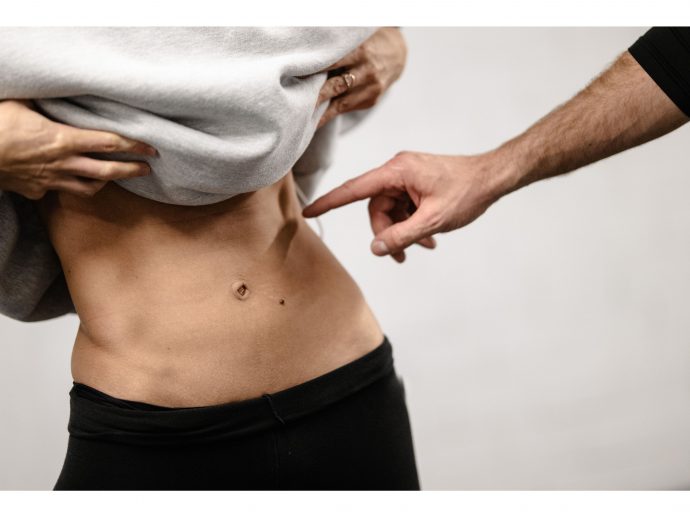
The consultation should include an assessment of the treatment area, review of medical history and discussion of the patient’s goals. The practitioner should explain the proposed procedure and its potential benefits and limitations.
Useful questions include:
- What is this procedure intended to achieve?
- Am I an appropriate candidate?
- What alternatives should I consider?
- What complications are possible?
- How long might recovery take?
- What will the complete treatment cost?
- What follow-up care is included?
You should receive sufficient information and time to consider the options before making a commitment.
Preparing for Treatment
If the practitioner recommends proceeding, follow the preparation instructions provided by the clinical team. These will depend on the specific procedure and your medical circumstances.
Disclose all medications, supplements, allergies and relevant medical conditions. Do not independently stop prescribed medication.
Ask about pre-procedure assessments, transportation requirements and any assistance that may be needed during recovery. Understanding the expected restrictions on exercise and daily activities can help you plan appropriately.
Recovery and Aftercare
Recovery depends on the procedure performed and individual healing. Your practitioner should explain what to expect and provide specific instructions about wound care, activity restrictions and follow-up.
Follow those instructions carefully and attend scheduled appointments. If symptoms are unexpected or worsening, contact the treating team. Severe symptoms or signs of infection require prompt medical assessment.
Do not compare your recovery directly with another patient’s experience. Individual circumstances and the procedures performed can differ.
Risks and Realistic Expectations
Potential risks associated with surgical applications may include burns, tissue injury, infection, fluid accumulation, scarring, contour irregularities and complications associated with anaesthesia or surgery.
The risks relevant to you depend on the proposed procedure and your medical circumstances. Ask the practitioner to explain them clearly and describe how complications would be managed.
No procedure guarantees a particular body shape or degree of skin tightening. A responsible treatment plan prioritises safety and realistic expectations.
Book a Consultation to Explore Your Options
If you are considering Renuvion, a consultation can help you understand whether it is appropriate for your goals. Ask about the proposed application, expected results, risks, recovery and total cost before making a decision.
A personalised assessment can help you compare suitable options and determine the next steps with a clearer understanding of the potential benefits and limitations.
Comments
