Categories more
- Adventures (62)
- Arts / Collectables (14)
- Automotive (77)
- Aviation (65)
- Bath, Body, & Health (123)
- Children (6)
- Cigars / Spirits (71)
- Cuisine (66)
- Design/Architecture (22)
- Electronics (63)
- Entertainment (36)
- Event Planning (115)
- Fashion (45)
- Finance (10)
- Gifts / Misc (6)
- Home Decor (118)
- Jewelry (41)
- Pets (3)
- Philanthropy (1)
- Real Estate (16)
- Services (44)
- Sports / Golf (14)
- Vacation / Travel (85)
- Watches / Pens (33)
- Wines / Vines (34)
- Yachting / Boating (67)



Robot Lawn Mower Features That Matter Most

Published
08/19/2026Robot Lawn Mower Features That Matter Most
Robot lawn mower features matter because they decide how well the machine cuts, navigates, avoids trouble, and fits your yard. A model with the wrong features may miss edges, slip on slopes, stop around obstacles, or need too much manual help. The right one can keep grass neat with less noise, less effort, and a more consistent routine. Buyers should look at cutting performance, navigation, safety, security, and weather handling before choosing. Focus on the features that match your lawn’s size, shape, terrain, and daily use, not just the newest technology or longest feature list.
Core Cutting Features That Affect Daily Results
Lawn Size Coverage and Runtime
Lawn size coverage tells you how much area the mower can maintain within its normal schedule. Runtime matters because larger lawns need longer cutting sessions or more frequent recharging. Choose a mower rated for your full mowing area, including front yards, back yards, and side strips. Do not size it only for the open center of the lawn. A mower with suitable coverage will cut more consistently and avoid falling behind during peak grass growth.
Cutting Height and Blade Quality
Cutting height controls how closely the mower trims the grass. Adjustable height settings let you raise the cut during heat, drought, or heavy growth, then lower it gradually for a cleaner finish. Blade quality also matters. Sharp blades cut grass cleanly, while dull blades tear the tips and can leave the lawn looking dry or uneven. Check how easy the blades are to replace and how often the mower needs blade maintenance.
Slope Handling for Uneven Lawns
Slope handling is essential for yards with hills, dips, bumps, or soft ground. A robot mower needs enough traction to climb without sliding and enough stability to keep the cut even. Look for strong wheel grip, balanced movement, and a slope rating that fits the steepest parts of your lawn. Uneven areas can drain the battery faster and create missed patches if the mower lacks power. Good terrain handling keeps mowing safer and more reliable.
Edge Cutting and Narrow Area Performance
Edges often decide whether the lawn looks finished or still needs trimming. A mower with strong edge-cutting performance can reduce manual work along fences, paths, patios, and garden borders. Narrow area performance matters in side yards, corridors, and spaces between landscaping. The mower should move through these areas without scraping, turning too often, or getting stuck. A suitable cutting width helps balance speed in open spaces with control in tighter lawn sections.
Navigation Features That Make Setup Easier
Boundary Wire vs. Wire-Free Mapping
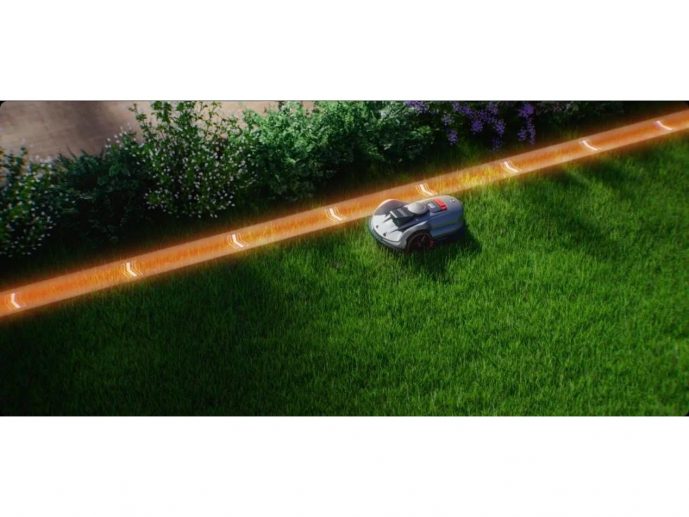
Boundary wire systems use a physical cable to define the mowing area. They can work well, but installation takes time, and later changes may require moving the wire. Wire-free mapping replaces that cable with digital borders, app controls, and positioning technology. This makes setup cleaner and easier to adjust when the yard changes. For homeowners who add landscaping, shift play areas, or manage multiple zones, wire-free mapping offers clear convenience.
GPS, RTK, Vision, and Sensor-Based Navigation
Modern navigation can combine GPS, RTK, vision, and sensors to improve accuracy and reduce random movement. Sunseeker Elite robot lawn mowers use AONavi™ 2.0 with Network RTK + VSLAM 2.0 for centimeter-level accuracy without buried wires or local antenna installation. They also support virtual boundaries, advanced route planning, smart zoning, multi-angle cutting, Vision AI 2.0 with binocular + iToF cameras, tri-wheel AWD for slopes up to 70% / 35°, selected 13.8-inch dual cutting discs, 0.8–3.9-inch cutting heights, 1.2-inch edge trimming, and quiet 60 dB operation.
Multi-Zone Control for Front and Back Yards
Multi-zone control helps the mower manage separate lawn areas with different needs. A front yard may need shorter, more frequent mowing for curb appeal, while a backyard may need a schedule that avoids playtime or pets. Zone control lets you set routes, timing, and cutting plans for each section. It also helps with side yards, divided lawns, and areas connected by paths. Good zone management creates better coverage and fewer missed sections.
Safety, Security, and Weather Features to Check
Obstacle Detection and Lift Sensors
Obstacle detection helps the mower avoid objects such as toys, furniture, tree roots, hoses, and planters. Better detection reduces bumps, stoppages, and blade contact with items left on the grass. Lift sensors are just as important. They stop the blades when the mower is picked up or tilted, which supports safer handling during cleaning or inspection. Together, these features make automated mowing more practical for active yards.
Rain Sensors and Wet Grass Protection
Rain sensors help the mower pause or return to the dock when conditions become too wet. This protects the lawn because wet grass can clump, tear, and leave uneven results. It also reduces slipping on slopes or soft soil. Some homeowners prefer to adjust mowing schedules around irrigation or storms. Wet grass protection keeps the mower cleaner, helps blades work better, and lowers the chance of messy tracks across the yard.
Anti-Theft Alerts, PIN Lock, and Tracking
Security features protect the mower when it works outside unattended. A PIN lock can prevent unauthorized use, while anti-theft alerts can notify you if the mower is moved unexpectedly. Tracking features add another layer of protection by helping locate the unit if it leaves the mowing area. These tools matter most for front yards, open properties, and homes with easy street access. Strong security makes daily automation feel more dependable.
Child, Pet, and Garden Safety Settings
Child, pet, and garden safety settings help the mower fit real household routines. App schedules let you avoid mowing during playtime, outdoor meals, or pet activity. No-go zones can protect flower beds, young trees, ponds, and fragile landscaping. Speed control, obstacle response, and blade-stop features also support safer operation. A mower should not only cut well. It should work predictably around the people, animals, and garden spaces that share the lawn.
Conclusion
The most important robot lawn mower features are the ones that match your yard. Prioritize coverage, runtime, cutting height, blade quality, slope handling, edge performance, navigation, safety, weather protection, and security. Smart features add value when they solve real lawn problems. Choose a mower that fits your terrain, layout, and routine, and daily lawn care becomes cleaner, quieter, and easier to manage.
Comments
