Categories more
- Adventures (17)
- Arts / Collectables (14)
- Automotive (36)
- Aviation (11)
- Bath, Body, & Health (76)
- Children (6)
- Cigars / Spirits (32)
- Cuisine (16)
- Design/Architecture (22)
- Electronics (13)
- Entertainment (4)
- Event Planning (5)
- Fashion (45)
- Finance (10)
- Gifts / Misc (6)
- Home Decor (45)
- Jewelry (41)
- Pets (3)
- Philanthropy (1)
- Real Estate (16)
- Services (23)
- Sports / Golf (14)
- Vacation / Travel (59)
- Watches / Pens (14)
- Wines / Vines (24)
- Yachting / Boating (17)



Sage Leaves: A Simple Way to Add Beauty and Character to Your Garden

Published
08/17/2026A well-planned garden is about more than growing vegetables or filling flower beds with color. The best gardens combine plants that are attractive, practical, and enjoyable to spend time around. Sage is one of those rare herbs that manages to do all three. Its soft foliage, pleasant fragrance, and timeless appearance have made it a favorite for generations.
As more gardeners look beyond the most common herbs, resources like survivalgardenseeds.com have helped introduce people to traditional plants that continue to deserve a place in modern landscapes. Sage leaves are appreciated not only for their familiar uses but also for the beauty and balance they bring to gardens throughout the growing season.
Why Sage Leaves Have Stood the Test of Time
Some garden plants come and go with changing trends, while others remain dependable favorites for decades. Sage belongs firmly in the second group because it offers qualities that never seem to go out of style.
Its combination of attractive foliage, pleasant fragrance, and reliable growth continues to appeal to gardeners of every experience level.
A Herb That Feels Right at Home
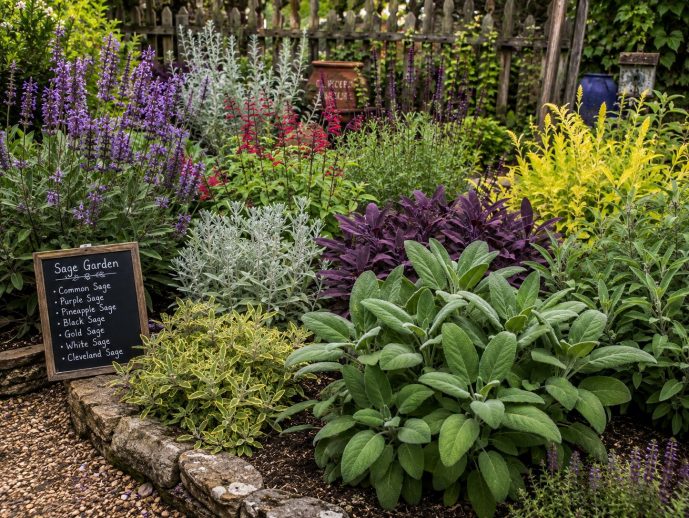
Few herbs blend into a garden as naturally as sage. Whether surrounded by vegetables, flowers, or other herbs, it always seems to complement the plants around it.
Its understated beauty allows it to fit comfortably into many different garden designs. Rather than demanding attention, sage quietly improves the overall appearance of the space.
A Familiar Plant Worth Rediscovering
Many people recognize sage by name before they ever grow it themselves. Because it has been around for so long, it is sometimes easy to overlook in favor of newer or more unusual plants.
Once gardeners spend a season with sage, they often gain a new appreciation for everything it contributes. Familiar plants sometimes become favorites for very good reasons.
A Dependable Addition Year After Year
One of the greatest compliments gardeners can give a plant is choosing to grow it again the following season. Sage has earned that kind of loyalty through its consistent performance.
Its reliability allows gardeners to plan with confidence. Knowing a plant will continue looking attractive throughout the season makes it an easy choice for almost any landscape.
The Unique Appeal of Sage Leaves
Every herb has something that makes it memorable. Sage leaves stand apart because they appeal to more than one sense while adding visual interest to the garden.
Their distinctive appearance helps make sage one of the easiest herbs to recognize.
Soft Foliage With Lasting Beauty
Sage leaves have a velvety texture that gives the plant a softer appearance than many neighboring herbs. Their gently rounded shape adds another layer of visual interest.
This unique foliage remains attractive through much of the growing season. Even without flowers, sage contributes beauty to planting beds and herb gardens.
Gentle Color That Works Everywhere
The soft gray-green color of sage leaves pairs naturally with almost every garden palette. Bright flowers, dark green vegetables, and ornamental grasses all benefit from the contrast.
This versatility allows gardeners to move sage into many different parts of the landscape without worrying about whether it will fit the overall design.
A Fragrance That Becomes Part of the Garden
Walking through a garden involves more than simply looking at plants. Familiar scents often become some of the strongest memories gardeners carry from one season to the next.
Brushing against sage leaves releases their unmistakable aroma, making even routine garden tasks a little more enjoyable. Those simple moments help create a stronger connection to the garden.
Creative Ways to Use Sage Around the Garden
Sage is often associated with traditional herb gardens, but it works equally well in many other settings. Its adaptable nature allows gardeners to use it wherever extra texture and color are needed.
That flexibility is one reason it has remained so popular through the years.
Framing Garden Pathways
Plants growing alongside pathways help create a welcoming atmosphere while adding definition to the landscape. Sage works well in these locations because its compact shape stays neat without feeling rigid.
Its attractive foliage provides interest every time someone walks through the garden. Small touches like these make outdoor spaces feel more thoughtfully designed.
Mixing With Flowering Plants
Flower gardens benefit from having a variety of leaf colors and textures. Sage contributes both without competing with colorful blooms.
Its muted foliage acts as a natural backdrop that allows brighter flowers to stand out even more. The result is a planting bed that feels balanced instead of crowded.
Bringing Interest to Raised Beds
Raised beds often focus mainly on vegetables, but adding herbs creates a more complete garden. Sage introduces another layer of texture while making the growing space feel more inviting.
Combining herbs with vegetables also encourages gardeners to spend more time exploring every part of the garden rather than focusing on harvests alone.
The Small Qualities That Make Sage Memorable
Many plants impress gardeners with one dramatic feature. Sage earns its place through dozens of smaller qualities that become more noticeable over time.
Those quiet strengths often become the reasons people keep growing it year after year.
A Garden That Changes Naturally
Fresh growth gives sage a slightly different appearance as the season progresses. Watching new leaves mature provides another reminder that gardens are constantly changing.
These gradual changes encourage gardeners to slow down and appreciate the small details that often go unnoticed.
Always Comfortable in the Landscape
Some plants seem out of place unless they are planted in exactly the right location. Sage has a much easier time blending into different parts of the garden.
Whether growing beside vegetables, flowers, or shrubs, it always looks like it belongs. That adaptability makes planning much simpler.
A Plant That Rewards Everyday Visits
Gardens become part of daily life during the growing season. Even short walks outdoors offer opportunities to notice new flowers, fresh growth, or changing colors.
Sage contributes to those quiet moments with its familiar appearance and pleasant fragrance. It reminds gardeners that some of the greatest rewards come from simply spending time outside.
Why Diverse Gardens Feel More Rewarding
The most memorable gardens usually include a wide variety of plants working together. Different colors, textures, heights, and fragrances combine to create spaces that remain interesting throughout the year.
Adding herbs like sage increases that diversity without making the garden more difficult to maintain.
Every Plant Adds Something Different
No single plant provides everything a garden needs. Some contribute colorful flowers, others provide harvests, while many simply improve the overall appearance of the landscape.
Sage offers beauty, fragrance, texture, and dependable structure. Those qualities help bring balance to gardens of every size.
Building a Garden With Character
Gardens often reflect the personalities of the people who care for them. Choosing plants that offer unique qualities creates outdoor spaces that feel personal and inviting.
Sage contributes quiet elegance without dominating the landscape. Its subtle beauty helps create gardens that feel welcoming rather than overly formal.
Learning Through Familiar Herbs
Many gardeners enjoy growing unusual plants, but familiar herbs often teach just as much. Observing their seasonal growth helps build confidence while encouraging closer attention to the garden.
Sage provides those opportunities year after year. The more time gardeners spend around it, the more they notice its dependable qualities.
Interesting Facts About Sage Leaves
Although sage is one of the best-known herbs in home gardens, there are still many interesting details that people discover after growing it themselves. These small facts help explain why the plant has remained so widely appreciated.
Its lasting popularity is the result of centuries of dependable performance.
It Has Been Grown for Centuries
Sage has been cultivated in gardens around the world for generations. Its continued presence reflects how adaptable and useful it has always been.
Growing a plant with such a long history creates a meaningful connection between today's gardens and those cared for by earlier generations.
Its Leaves Are Instantly Recognizable
Few herbs have foliage quite like sage. The soft texture and gentle gray-green color make the leaves easy to recognize at a glance.
That familiar appearance allows sage to stand out even among many neighboring herbs and flowering plants.
It Never Feels Outdated
Gardening trends may change, but sage continues finding its place in gardens both large and small. Its timeless qualities help it remain relevant regardless of changing styles.
Many gardeners discover that the longer they grow sage, the more they appreciate its simple reliability and lasting beauty.
Why Sage Leaves Continue to Belong in Every Garden
The most dependable plants are often the ones gardeners appreciate the most. Sage has earned that reputation by combining attractive foliage, familiar fragrance, and effortless versatility in a single herb that fits almost anywhere.
Whether growing in a traditional herb garden, adding texture to flower beds, or softening the edges of raised vegetable beds, sage leaves continue to prove their value season after season. Their quiet beauty and dependable nature remind us that sometimes the most rewarding plants are the ones that have been with gardeners all along.
Comments
