Categories more
- Adventures (62)
- Arts / Collectables (14)
- Automotive (77)
- Aviation (65)
- Bath, Body, & Health (123)
- Children (6)
- Cigars / Spirits (71)
- Cuisine (66)
- Design/Architecture (22)
- Electronics (63)
- Entertainment (36)
- Event Planning (115)
- Fashion (45)
- Finance (10)
- Gifts / Misc (6)
- Home Decor (118)
- Jewelry (41)
- Pets (3)
- Philanthropy (1)
- Real Estate (16)
- Services (44)
- Sports / Golf (14)
- Vacation / Travel (85)
- Watches / Pens (33)
- Wines / Vines (34)
- Yachting / Boating (67)


Seasonal Roof Maintenance Checklist: Protecting Your Home Year-Round


Published
05/25/2026Table of Contents
- Spring: Inspection and Cleaning
- Summer: UV Protection and Ventilation
- Fall: Gutter Maintenance and Debris Removal
- Winter: Snow and Ice Management
- General Roof Maintenance Tips
- Conclusion
Keeping your roof in top condition throughout the year is vital for protecting both your home and your investment. With each change in season, your roof faces new environmental challenges that can lead to long-term issues if not properly addressed. Following a proactive maintenance routine, as recommended by industry experts at Deltaservices.com, can help you avoid expensive repairs down the line and ensure your roof remains resilient through all types of weather.
Many homeowners underestimate the impact of neglecting seasonal roof care. Simple preventive measures such as routine cleaning, inspections, and minor repairs can dramatically extend the lifespan of your roof. It is important to remember that timely maintenance isn't just about aesthetics; it safeguards against water infiltration, heat loss, and even structural damage.
Addressing the smaller issues, such as missing shingles, clogged gutters, or poor ventilation, promptly prevents the escalation of damage and the associated high costs. By dedicating some attention to your roof during each season, you can identify risks early and mitigate the effects of harsh weather. Most experts agree that a systematic approach to roof care not only preserves your home but also can save money in the long term.
For more background on roof maintenance strategies and how to handle specific roofing concerns, trusted sources such as the Hanover Insurance Group's guide to preventing roof damage provide additional insights alongside professional guidance.
Spring: Inspection and Cleaning
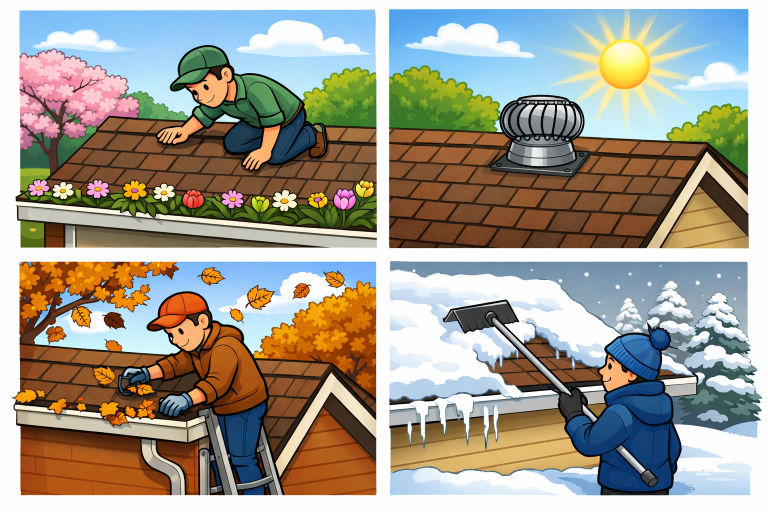
After enduring the effects of snow, ice, and wind through winter, spring is the ideal time to closely assess your roof’s condition. Thorough inspection at this stage can reveal hidden damage that, if left unchecked, could worsen with time. Start by looking for damaged or missing shingles, and check your attic for evidence of leaks or water stains. Removing accumulated debris from your roof surface and gutters is also crucial, as this buildup can trap moisture and lead to rot or mold.
- Inspect shingles for cracks, curling, or any that are missing.
- Examine flashing around chimneys, vents, and skylights for deterioration.
- Remove leaves and branches from the roof and gutter systems.
- Check attic spaces for water stains, dampness, or mold.
- Trim back overhanging tree branches to avoid future debris accumulation.
Spring maintenance helps in catching minor issues early, greatly reducing the risk of leaks or structural problems as the year progresses.
Summer: UV Protection and Ventilation
During the summer months, intense sunlight and heat can age roofing materials prematurely. This season is an opportunity to address heat regulation and ensure that your attic is properly ventilated. Insufficient ventilation can lead to excessive heat buildup, which not only affects shingle longevity but also increases your home's cooling costs.
- Check attic and roof vents to ensure they are open and functioning well.
- Inspect for moss, algae, or lichen, particularly in shaded or moist areas.
- Look for signs of pests, such as nests or droppings, that may indicate an infestation.
- Examine seals and flashing on roof penetrations to reduce the risk of leaks.
Consistent summer care enhances your roof’s ability to withstand heat and ultraviolet rays.
Fall: Gutter Maintenance and Debris Removal
As the leaves start to fall, maintaining clear gutters and downspouts becomes increasingly important. Blocked gutters can lead to water backing up under your roof, resulting in leaks and potential ice dams once winter arrives. Use this season to make any last-minute repairs before the cold sets in.
- Clean gutters and downspouts of leaves, twigs, and debris.
- Repair sections of the roof with worn or damaged shingles.
- Inspect flashing to ensure it is securely fastened and sealed.
- Reinforce any loose roofing materials before winter storms hit.
These preparations make your roof less vulnerable to water damage and help prevent complications when snow and ice begin to accumulate.
Winter: Snow and Ice Management
Winter presents unique risks, including heavy snow loads, ice dams, and condensation issues. Regular snow removal with a roof rake can prevent excessive buildup that places strain on your roofing structure. Monitoring your attic for signs of condensation can also uncover insulation problems that require prompt attention.
- Use a roof rake to clear snow and minimize excess weight.
- Keep an eye out for ice buildup in gutters and around the edges of the roof.
- Check indoor attic spaces for leaks, moisture, or frost on rafters.
- Watch for icicles forming at your roof's edge as an indicator of inadequate insulation.
Proper winter management not only protects your roof but also the integrity of your entire home structure.
General Roof Maintenance Tips
While seasonal maintenance forms the foundation for roof longevity, establishing a few year-round habits can be even more beneficial. Schedule a professional roof inspection annually, especially before seasons of extreme weather. Always address even minor repairs quickly to avoid complications.
- Maintain detailed records of repairs, inspections, and maintenance.
- Ensure attic spaces are well insulated and ventilated to minimize energy loss and moisture buildup.
- Be vigilant about small issues; early intervention is more cost-effective than emergency repairs.
- Hire roofing professionals for jobs too dangerous or technical to handle alone.
Staying proactive with these general roof care pointers significantly reduces the likelihood of surprise repairs or extensive damage.
Conclusion
Following a comprehensive seasonal roof maintenance checklist is the best way for homeowners to safeguard their property from the elements and avoid unnecessary expenses. By staying consistent with inspections, cleanings, and timely repairs, you will fortify your roof and, by extension, your entire home, for years to come. Proactive care is less costly and more reliable than reactive solutions, giving homeowners peace of mind despite changing weather conditions.
Comments
