Categories more
- Adventures (62)
- Arts / Collectables (14)
- Automotive (77)
- Aviation (65)
- Bath, Body, & Health (123)
- Children (6)
- Cigars / Spirits (71)
- Cuisine (66)
- Design/Architecture (22)
- Electronics (63)
- Entertainment (36)
- Event Planning (115)
- Fashion (45)
- Finance (10)
- Gifts / Misc (6)
- Home Decor (118)
- Jewelry (41)
- Pets (3)
- Philanthropy (1)
- Real Estate (16)
- Services (44)
- Sports / Golf (14)
- Vacation / Travel (85)
- Watches / Pens (33)
- Wines / Vines (34)
- Yachting / Boating (67)



Selling Land Without a Real Estate Agent: A Step-by-Step Guide

Published
06/01/2026Key Takeaways
- Understand the benefits and challenges of selling land without an agent.
- Learn how to prepare your land for sale and set a competitive price.
- Discover effective marketing strategies to attract potential buyers.
- Familiarize yourself with the legal and financial aspects of the transaction.
Table of Contents
- Why Sell Land Without an Agent?
- Preparing Your Land for Sale
- Setting the Right Price
- Marketing Your Land
- Negotiating with Buyers
- Handling Legal and Financial Matters
- Closing the Sale
- Conclusion
Selling land independently offers a unique opportunity to control every detail of the transaction and maximize your profits. By handling the process yourself, you avoid hefty commission fees and retain full decision-making power, from setting the price to final negotiations. With careful organization and the right strategies, it is possible to achieve a smooth and successful sale. If you are searching for a more hands-on approach, consider visiting https://www.webuylandquick.com/ for additional resources and support for landowners.
While this path offers flexibility, it also places greater responsibility on the seller to manage pricing, marketing, and legal details. A strategic approach ensures that you avoid common pitfalls and attract serious buyers. Whether you own a vacant lot, farmland, or recreational tract, following a clear process will streamline your experience.
This guide outlines each phase of the land selling process, highlighting essential steps for preparation, pricing, marketing, negotiation, legal compliance, and closing. You do not have to be a real estate expert to sell land on your own, but attention to detail is critical.
If you are interested in connecting with companies that specialize in quick land purchases, We Buy Land in Texas is a reliable option to explore.
Why Sell Land Without an Agent?
Selling your land without the help of a real estate agent presents several advantages worth considering. The foremost benefit is saving on commission fees, which for land can reach up to 10 percent in some areas. These savings go directly back into your pocket.
Furthermore, by taking charge, you maintain total control over pricing, marketing, and negotiations. This autonomy allows for a personalized approach tailored to your schedule and goals. You also have the flexibility to communicate directly with buyers, addressing their questions or concerns immediately.
Despite these benefits, the process can be demanding. You will need to coordinate everything, from preparing the property and documents to ensuring that the sale is legally sound. For those willing to dedicate the necessary effort, the rewards can be considerable.
Preparing Your Land for Sale
Preparation is crucial in making your land more appealing to buyers. The process begins with clearing away any debris or overgrown vegetation to improve curb appeal. Well-maintained land signals to buyers that you took pride in the property, which boosts their confidence.
- Clear the Property: Tidy up the land by removing obstacles, trash, and anything that could detract from its appeal.
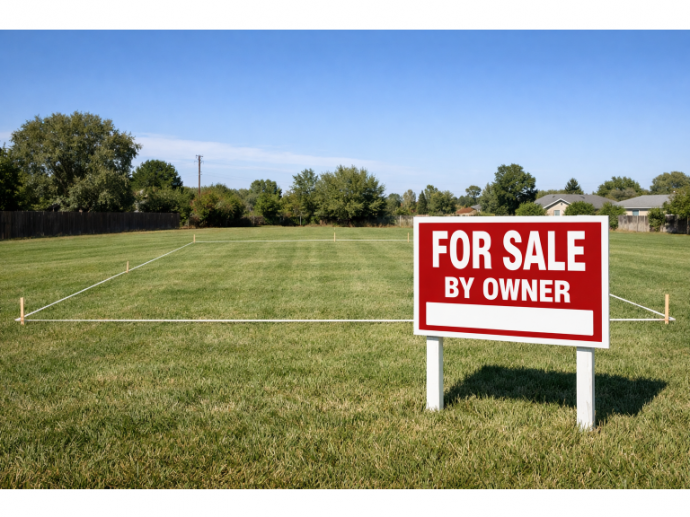
- Mark Boundaries: Use stakes, flags, or fencing to clearly indicate property lines. A visible boundary helps buyers visualize their potential investment.
- Gather Documentation: Have your deed, surveys, and zoning permits ready. Buyers are more likely to make an offer when you can answer their questions with proof and paperwork in hand.
Organized records and clear land presentation are among the top steps homeowners can take to impress prospective buyers early in the process.
Setting the Right Price
A competitive asking price ensures your property attracts attention. Begin with research on comparable land sales nearby. Public records and online real estate databases can provide valuable insight. Factor in market trends, recent sales, and local regulations that may affect value. If you are uncertain, consider hiring a land appraiser for an unbiased, professional estimate.
- Research Comparable Sales: Study sales of similar parcels to avoid overpricing or underpricing your land.
- Consider Market Conditions: Be mindful of economic trends and seasonal demand shifts in your region.
- Consult Professionals: Even without an agent, hiring an appraiser or consultant for a one-time fee can provide invaluable guidance.
Marketing Your Land
To maximize your chances of success, market your land through multiple channels. Online platforms can introduce your property to thousands of buyers, while local signs and social media groups connect you with interested parties nearby. Online listings should include high-quality photos and succinct descriptions of unique features or selling points.
- Online Listings: Leverage popular property sites like Zillow, LandWatch, and Craigslist.
- Social Media: Share listings within community groups or real estate forums to widen your exposure.
- Signage: Place clear, professional “For Sale” signs with your contact information at prominent locations on the property.
- Professional Photos: Use bright, clear images that highlight the best aspects of the land.
Negotiating with Buyers
Respond to interested buyers as soon as possible. Being prompt and transparent increases trust and keeps communication flowing. Before entering negotiations, define your bottom line and be ready to discuss terms, including price, contingencies, or possible closing dates. Flexibility may be necessary to accommodate a buyer’s requests, but protect your interests by relying on clear documentation and solid facts throughout the negotiation process.
- Be Responsive: Quick replies signal seriousness and professionalism.
- Know Your Bottom Line: Understand your lowest acceptable offer before talks begin.
- Be Prepared to Negotiate: Be open to reasonable concessions while safeguarding your objectives.
Handling Legal and Financial Matters
Legal and financial aspects are crucial components of any land sale. Draft a clear sales agreement specifying the price, contingencies, and any conditions tied to the transaction. A title search should verify that your ownership is clear and there are no liens attached to the property. Sellers also need to consider capital gains and other taxes due upon sale. Preparation and transparency are key to avoiding hassles later on.
- Draft a Sales Agreement: Reduce everything to writing to avoid misunderstandings.
- Title Search: Confirm clean ownership before proceeding to close.
- Understand Tax Implications: Check local and federal regulations to be sure you are compliant.
Closing the Sale
The final step in selling land is the closing. This stage involves transferring the deed, disbursing funds, and recording the transfer with local authorities. Working with a title company or real estate attorney is highly recommended to safeguard everyone’s interests and comply with all necessary laws. Once the transaction is closed and funds are securely transferred, your responsibilities as a seller conclude.
- Coordinate with a Title Company or Attorney: Professionals guide you through closing and verify all legal requirements are met.
- Sign and Record the Deed: Complete the official paperwork and submit it to your local government office.
- Transfer Funds: Use secure channels to make sure you get paid as soon as closing occurs.
Conclusion
For landowners eager to maximize returns and enjoy full control, selling land without a real estate agent is a practical and rewarding option. By preparing your property, setting a viable price, marketing well, and handling negotiations and the legal process with care, you can confidently achieve your selling goals. Detail, documentation, and direct communication with buyers are central to your success. With thoughtful planning, you can complete the transaction efficiently and profitably.
Comments
