Categories more
- Adventures (62)
- Arts / Collectables (14)
- Automotive (77)
- Aviation (68)
- Bath, Body, & Health (127)
- Children (6)
- Cigars / Spirits (72)
- Cuisine (68)
- Design/Architecture (22)
- Electronics (66)
- Entertainment (40)
- Event Planning (116)
- Fashion (47)
- Finance (10)
- Gifts / Misc (7)
- Home Decor (118)
- Jewelry (41)
- Pets (3)
- Philanthropy (1)
- Real Estate (19)
- Services (60)
- Sports / Golf (38)
- Vacation / Travel (101)
- Watches / Pens (72)
- Wines / Vines (34)
- Yachting / Boating (76)



Shorter Days, Shorter Walks: Keeping Your Dog Busy Through Fall

Published
09/17/2026Daylight disappears faster in September than at any other point in the year. Around the equinox, the country loses between two and three minutes of evening light a day, and by the end of October the walk that started at six is happening in the dark.
For a dog who spent the summer getting ninety minutes of activity after dinner, that arithmetic ends somewhere around thirty. Getting through the next few months means understanding what that shortfall costs, finding activity that doesn't depend on daylight, and adjusting the food bowl to match the new mileage.
Where the Walk Time Goes
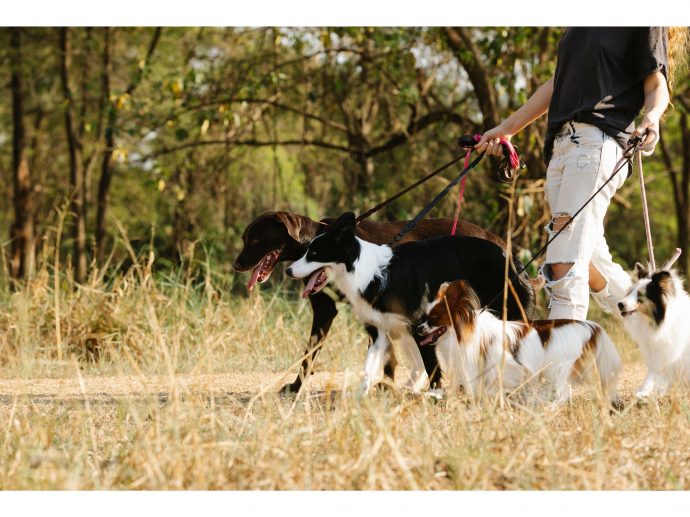
The loss is gradual enough to go unremarked. The light fades a little earlier each week, and the route gets shorter to match, until by late October a dog is getting a third of what they had in July. Your dog’s sniffing time is what disappears first.
Walking in daylight lets our pups stop constantly and read the ground, taking in a neighborhood's worth of information. But the same route walked in the dark usually becomes a brisk loop that delivers the distance but not the same mental work.
The Restless Hour After Dinner
Dogs who are under-exercised announce it between seven and ten at night. They pace, follow you room to room, and find something to chew that was never meant for chewing.
Some owners add daily support to help with settling in the evening. For instance, dog CBD is one common option alongside routine changes that do the heavier lifting. And activity still has to come from somewhere, though, which is where enrichment comes into the picture.
Thinking Tires a Dog Faster
Twenty minutes of nose work is one of the best ways to let your dog flex their special skills: sniffing, hunting, and foraging! Snuffle mats or hiding treats, whether it's behind furniture legs or around door frames, are both great activities that are rewarding to our pups. You can even create a similar experience at mealtime by using slow feeder bowls and interactive toys to help them burn cognitive energy.
Training sessions work the same way. Ten minutes teaching something genuinely new, rather than running through cues your dog already knows, demands real concentration and sends a dog straight to sleep afterward. Maybe you introduce clicker training this fall and winter.
And if you’re looking to help your dog burn real energy in the evenings, a flirt pole, hide-and-seek, or an indoor fetch machine gives them the opportunity for a physical workout in a small space.
Walking Before Work Instead
Moving the long walk to the morning sidesteps the problem entirely, since sunrise still lands before the workday starts well into November. If the walk stays in the evening, be mindful of visibility for the safety of you both. Investing in a light-up collar, reflective doggy vest, and a headlamp for yourself, as a driver turning into a dark residential street has no chance of seeing an unlit black dog.
Managing Weight in the Winter
The calorie side of this goes unnoticed until the spring weigh-in. With some dogs burning through ninety minutes of daily activity in July and thirty in November, eating the same amount throughout, can put on weight over the winter. As needed, you may trim portions slightly through the darker months depending on how you plan to implement activity. Ask your vet what a healthy weight is for your dog and the best way to manage it through the winter.
Before the Clocks Change
Pick one evening this week and try the scatter-feed instead of the second walk. Watch how your dog sleeps afterward, and you'll have a fair sense of whether this approach solves your particular problem before the light gets much worse. Shifting to something that doesn't depend on the sun, well before you're forced into it, makes the whole season easier on both of you.
Comments
