Categories more
- Adventures (213)
- Arts / Collectibles (374)
- Automotive (888)
- Aviation (383)
- Bath, Body & Health (3913)
- Children (138)
- Cigars / Spirits (295)
- Cuisine (727)
- Design / Architecture (1122)
- Electronics (244)
- Entertainment (163)
- Event Planning (295)
- Fashion (555)
- Finance (207)
- Gifts / Misc (141)
- Home Decor (589)
- Jewelry (415)
- Pets (92)
- Philanthropy (124)
- Real Estate (401)
- Services (225)
- Sports / Golf (216)
- Vacation / Travel (1074)
- Watches / Pens (237)
- Wines / Vines (872)
- Yachting / Boating (9084)




Should Beginners Buy Custom or Ready-Made Leather Biker Gear?

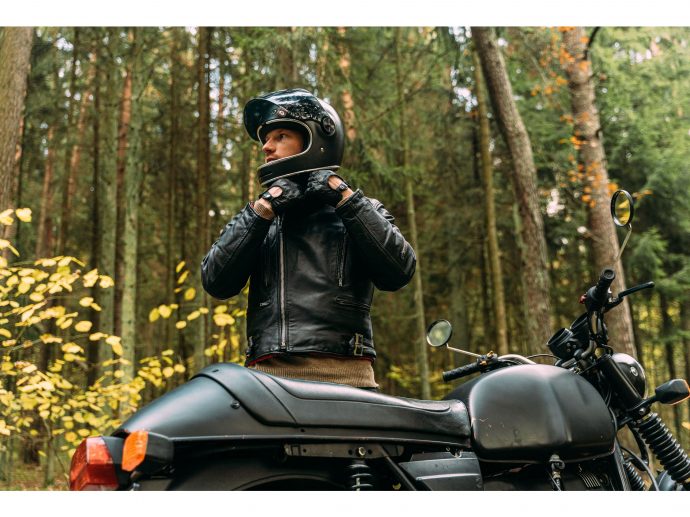
Published
11/03/2026For most beginner riders, ready-made leather gear is the smarter first purchase. It costs less, is certified and ready to ride, and lets you learn your preferred riding style and fit before investing in custom. Custom leathers pay off once your needs are clear, or if standard sizes simply don't fit your body.
This applies to every piece of gear, from full suits to custom motorcycle vest and jacket whether you'll ride a sport, touring, or cruiser. A suit with your name on the back feels like a commitment to the sport. But the smart first move is usually quieter: buy quality, certified, ready-made gear, ride a season or two, and learn what you actually need.
Ready-Made vs. Custom: What's the Difference?
Ready-made leathers come in standard sizes and can be tried on and bought immediately. Custom gear is built to your measurements, with choices of leather, armor placement, and graphics, but it usually takes several weeks to a few months to arrive.
- Ready-made (off-the-rack): Gear comes in standard sizes, often with short, tall, and long-leg options. You can try it on, buy it today, and ride tomorrow.
- Made-to-measure (custom): Gear is built to your measurements, with choices of leather, armor placement, colors, graphics, and closures. Lead times typically run from several weeks to a few months.
There's also a middle ground: ready-made gear with adjustable fit features, or off-the-rack gear altered by a leather specialist, such as stretch panels or sleeve and leg length adjustments.
The Case for Ready-Made Leather Gear
Ready-made leathers cost less, offer certified protection, and let you try them on in a riding position before paying. They’re available immediately, easier to return, simple to replace after a crash, and give you time to discover your riding style.
- Lower cost: Entry-level and mid-range suits and jackets provide solid, certified protection without custom pricing.
- You can try it on: Judging fit in a riding position is critical, and only off-the-rack gear lets you do it before paying.
- Immediate availability and easier returns: If something doesn't fit, exchanging it is far simpler than with made-to-order items.
- Wide certified choice: Many respected brands offer certified options across budgets.
- Better resale and easy replacement: Leather and armor are compromised after a significant impact, so being able to replace gear quickly matters.
- Time to discover your style: Your first season tells you whether you're a sport rider, tourer, or adventure rider.
The Case for Custom Leather Gear
Custom isn’t limited to full suits. Custom motorcycle jackets let you choose leather weight, armor level, and collar or cuff styles, while a custom motorcycle vest is a popular option for cruiser and club riders who want personalized patches and a layered fit.
- Precise fit: For non-standard proportions, which also keeps armor positioned correctly.
- Material choices: Leather type and thickness, perforation, vents, and armor level.
- Better ergonomics: For committed sport and track riders.
- Personalization: Colors, branding, and graphics.
The honest caveat is that these benefits are hard to evaluate when you don't yet know your riding position, preferred feel, or climate needs. Custom rewards riders who already know what they want. Makers such as First Manufacturing Co offer custom motorcycle jackets and vests built to your measurements, which helps when standard sizes don’t fit.
Safety Basics Every Beginner Should Know
Choose gear with EN 17092 certification, CE armor at the shoulders, elbows, hips, knees, and back, and quality leather. It should fit snugly without bunching so armor stays in place, and you should replace it after any significant crash. Whichever route you choose, protection comes first.
- Certification: Look for EN 17092 certification. In plain language, Class AAA, AA, and A garments combine abrasion resistance with impact protection, with AAA offering the highest abrasion performance. Class B covers abrasion resistance without armor, and Class C is armor only. Custom gear should be certified too, not just look the part.
- Armor: CE Level 2 armor transmits less impact force than Level 1. Armor should sit over the shoulders, elbows, hips, knees, and back.
- Leather type and thickness: Cowhide is the standard, typically around 1.0 to 1.4 mm in many suits. Kangaroo is a lighter, stronger alternative.
- Fit as protection: Gear should be snug with no bunching, and armor must stay in place when you're seated in a riding position. An ill-fitting suit can shift in a crash and leave armor in the wrong place.
- Construction: Look for double or triple stitching, quality panels, and a reliable zipper and connection system for two-piece gear.
- Replacing after a crash: Gear that has taken a significant impact should be retired.
Side-by-Side Comparison
Here's how the two options stack up for a typical beginner.
|
Factor |
Ready-Made |
Custom |
|
Price range |
Lower to mid |
Higher |
|
Lead time |
Immediate |
Weeks to months |
|
Fit precision |
Good for standard bodies |
Excellent |
|
Safety certification |
Widely available |
Must be confirmed |
|
Try on first |
Yes |
No |
|
Return policy |
Usually flexible |
Often limited |
|
Resale value |
Better |
Weaker |
|
Risk of regret |
Low |
Higher for beginners |
|
Best for |
Most new riders |
Non-standard fit or track needs |
Why Beginners Often Regret Going Custom
Beginners often regret custom gear because riding styles shift after a season or two and bodies change, leaving the suit ill-suited. Long lead times, limited returns, and costly replacement after a crash add to the risk, especially without experience to guide the specifications.
- Riding style shifts: Sport can become touring, and cruisers can become adventure.
- Bodies change: Weight changes or muscle gain can leave a made-to-measure suit not fitting.
- Inexperience limits your spec: Armor placement and leather preferences are hard to choose before you've logged miles.
- Long lead times: You may wait months or buy a stopgap anyway.
- Limited returns: Made-to-order items.
- Costly replacement: After a crash.
When a Beginner Should Consider Custom
A beginner should consider custom gear if their proportions fall outside standard sizing, they need adaptations for physical considerations or prosthetics, or they plan to race or do track days with a specific spec. It also suits riders who can’t find well-fitting ready-made cuts. Custom can be the right call from day one if:
- You want a specific piece, such as a custom motorcycle vest for club or cruiser riding, that off-the-rack options can’t match.
- Your proportions fall outside standard ranges (very tall, very short, plus-size, or unusual limb lengths).
- You have physical considerations or prosthetics that need adaptations.
- You're a beginner track-day rider or racer who needs a specific spec, such as a one-piece suit with airbag compatibility.
- You're a woman who struggles to find well-fitting ready-made women's cuts.
- Altering a ready-made suit isn't feasible.
How to Buy Your First Leather Gear
Start with certified, mid-range ready-made gear, and try it on in a riding crouch, checking sleeve and leg length with limbs extended. If buying used, inspect for crash damage and worn armor. Budget for gloves, boots, and a helmet, and note any fit issues.
- If you start with a ready-made leather motorcycle vest, note what you’d change. That list becomes your spec when you order custom motorcycle jackets later
- Buy a certified, mid-range ready-made jacket, pants, or suit.
- Consider quality used gear, but check carefully for crash damage and worn armor.
- Try gear on in a riding crouch, and check sleeve and leg length with arms and legs extended.
- Favor brands with adjustable features and strong size charts.
- Budget for gloves, boots, and a helmet as part of the system, not just the suit.
- Keep notes on fit and comfort issues to inform a future custom order.
Conclusion
For most beginners, quality ready-made leathers are the smart start: affordable, certified, and easy to try on. Custom is a fine upgrade once you know your riding style, or sooner if your body or racing plans demand it. Either way, prioritize certified protection that fits properly. Next, put together a beginner gear checklist or sizing guide to shop with confidence.
FAQ
Is custom leather gear safer than ready-made?
Not automatically. Safety depends on certification, armor, and fit. A well-fitted certified ready-made suit beats a poorly specified custom one.
How much does custom motorcycle leather gear cost?
Expect roughly $2,000 or more for a custom suit, with prices varying by maker and options.
Can I get ready-made leathers altered?
Often yes. A leather specialist can adjust sleeve and leg length or add stretch panels, though not every suit is suitable.
Are custom motorcycle jackets worth it for beginners?
Usually not at first. Start ready-made, learn your fit and style, then order custom once you know what you want.
When should I replace leather gear?
After any significant crash, and when leather, stitching, or armor shows wear.

Comments