Categories more
- Adventures (78)
- Arts / Collectables (24)
- Automotive (82)
- Aviation (80)
- Bath, Body, & Health (151)
- Children (55)
- Cigars / Spirits (97)
- Cuisine (104)
- Design/Architecture (39)
- Electronics (76)
- Entertainment (49)
- Event Planning (125)
- Fashion (98)
- Finance (19)
- Gifts / Misc (21)
- Home Decor (138)
- Jewelry (81)
- Pets (12)
- Philanthropy (5)
- Real Estate (54)
- Services (63)
- Sports / Golf (44)
- Vacation / Travel (185)
- Watches / Pens (88)
- Wines / Vines (55)
- Yachting / Boating (93)


Signs You Need a New Water Heater

Published
02/23/2026Key Takeaways
- The average lifespan of a water heater is 10 to 15 years. Older units are more likely to develop problems.
- Rusty water, recurring noises, and temperature fluctuations are common red flags.
- Timely replacement can improve energy efficiency and prevent water damage.
Hot water plays a vital role in everyday life, providing comfort for bathing, cleaning, and cooking routines. An unreliable unit can disrupt your schedule and increase household expenses, so it's essential to watch for early warning signs that it may be time to replace it. If you start noticing issues, consider a professional water heater installation to avoid inconvenient breakdowns and costly repairs down the road.
Many homeowners wait until a water heater fails completely before replacing it, often leading to emergency situations and potential property damage. By staying informed and proactive, you can maximize your home's safety and efficiency while making the most of your investment. Below, you'll find detailed signs indicating it may be time to invest in a new system, along with tips for making the transition as smooth as possible.
1. Age of the Water Heater
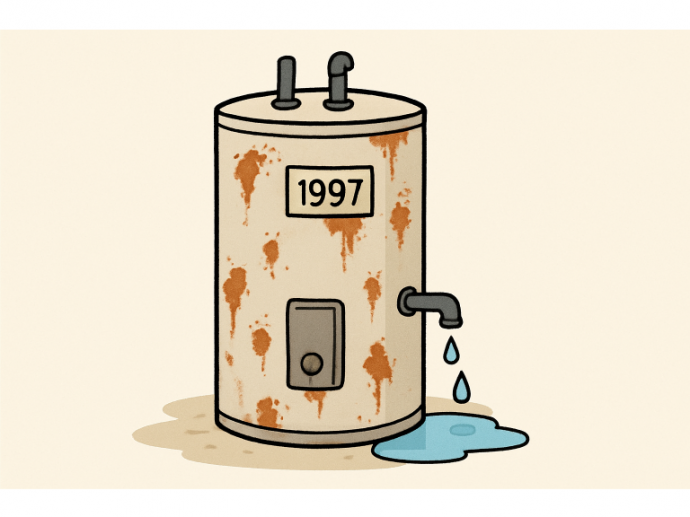
Most traditional water heaters are designed to provide reliable service for around 10 to 15 years. If your unit falls in this age range or is older, it's wise to watch for other signs of wear. Over time, internal parts deteriorate, increasing the likelihood of leaks and breakdowns.
To determine your water heater’s age, check for a manufacturing date or serial number, often located on the manufacturer’s label. For heaters past the ten-year mark, budgeting for a replacement now can prevent surprise failures later.
2. Rusty or Discolored Water
Discolored hot water often indicates corrosion within the tank. If rust or a brownish tint appears when you turn on the hot tap, your water heater is most likely to blame, not the plumbing. This is a precursor to leaks and typically indicates that the tank’s inner lining is breaking down.
Replacing a unit showing signs of rust is strongly recommended, as corrosion can quickly compromise the tank's integrity, leading to leaks and potential flooding.
3. Unusual Noises
Popping, knocking, or rumbling sounds from your water heater often point to sediment and mineral buildup at the bottom of the tank. These deposits harden over time, causing the unit to work harder to heat water and producing noticeable noises. Sediment not only interferes with heating efficiency but can also lead to premature system failure.
Periodic flushing can help, but if noises persist even after maintenance, it often indicates your heater is nearing the end of its life.
4. Insufficient Hot Water
Does your hot shower turn cold sooner than it used to, or does the water never reach the right temperature? This issue commonly arises when the heating element or thermostat in the unit fails. Accumulated sediment can also reduce available tank capacity, resulting in less hot water at your disposal.
While a repair might offer a short-term fix, persistent temperature issues typically indicate a replacement is imminent.
5. Leaks Around the Unit
Puddles around the water heater or visible drips from the tank are always reasons for concern. Leaks often result from internal metal fractures caused by years of expanding and contracting. Even minor leaks can lead to significant water damage if left unchecked, encouraging mold growth and attracting pests.
Immediate action is crucial when leaks are detected. Shutting off the water supply and seeking professional help can limit damage and reduce future expenses.
6. Frequent Repairs
If calls to your plumber are becoming a regular occurrence, your aging water heater is likely costing you more in maintenance than it would to replace it. Repeated repairs disrupt daily routines and often indicate that internal components are failing one by one.
Assessing your repair history and comparing it with the cost of a new water heater can help you make an informed decision about when replacement makes sense economically.
7. Energy Efficiency Concerns
Older units are typically less energy-efficient than today’s models. If your utility bills are creeping up despite steady usage, the loss of heating efficiency could be the culprit. Technological improvements in modern heaters can deliver impressive energy savings and reduce your home's environmental impact.
Investing in a new, energy-efficient heater not only benefits your wallet but also contributes to sustainability efforts over time.
Conclusion
Monitoring your water heater and staying attuned to signs of trouble helps ensure your home maintains a steady, cost-effective hot water supply. Routine maintenance and timely upgrades can significantly extend the efficiency and life of your plumbing system. When warning signs appear, consulting with a professional about replacement options is the smartest step to safeguard your home and comfort.
Comments
