Categories more
- Adventures (62)
- Arts / Collectables (14)
- Automotive (77)
- Aviation (65)
- Bath, Body, & Health (123)
- Children (6)
- Cigars / Spirits (71)
- Cuisine (66)
- Design/Architecture (22)
- Electronics (63)
- Entertainment (36)
- Event Planning (115)
- Fashion (45)
- Finance (10)
- Gifts / Misc (6)
- Home Decor (118)
- Jewelry (41)
- Pets (3)
- Philanthropy (1)
- Real Estate (16)
- Services (44)
- Sports / Golf (14)
- Vacation / Travel (85)
- Watches / Pens (33)
- Wines / Vines (34)
- Yachting / Boating (67)


Smart Packing Tools for Modern Travelers

Published
07/21/2026There's a very specific kind of panic that hits you at 5 AM, standing in front of an open suitcase, watching the clock tick closer to your flight time. You've packed and repacked three times. The bag still won't zip. Somewhere in that chaos is your passport, but you honestly couldn't tell you where. If this feels familiar, you're not alone — and more importantly, you're not doing anything wrong. You just haven't built a travel packing system yet.
Most people think packing badly is a personality flaw. It isn't. It's a tools problem.
Why "Winging It" Doesn't Work Anymore
Travel today looks nothing like it did ten years ago. Airlines have gotten stricter about baggage weight. Layovers are shorter, connections tighter, and most of us are trying to survive a week-long trip out of a single carry-on because checked bag fees have quietly become a small tax on freedom. On top of that, our bags now carry more than clothes — chargers, adapters, cables, cards, keys, sometimes a laptop, sometimes a camera.
Throwing things into a suitcase and hoping for the best used to work when travel was simpler. It doesn't anymore. What actually works is a system — a repeatable, thought-out way of packing that doesn't depend on willpower or memory at 5 AM.
What a Real Packing System Actually Looks Like
A packing system isn't one clever gadget. It's a handful of small decisions, made once, that remove decisions later. Here's what that looks like broken down into pieces that actually matter.
1. Solve the Space Problem First
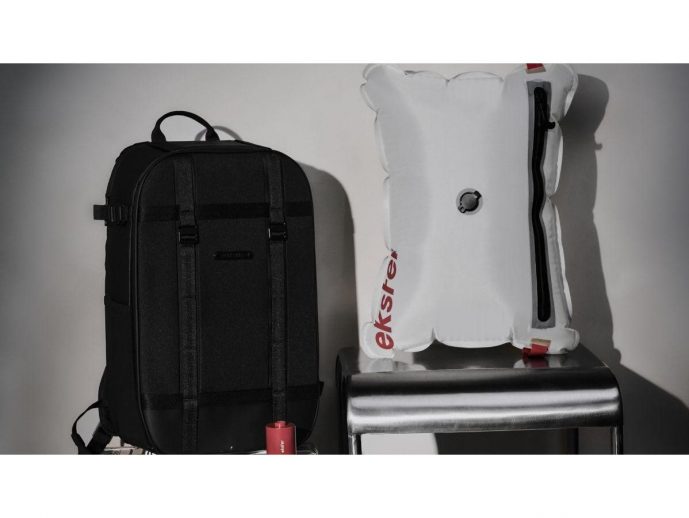
Clothes are almost always the biggest space hog in any bag, and this is usually where the real frustration starts. Compression tools change that math entirely. A good vacuum-sealed packing system can shrink soft items like clothing down to a fraction of their original size, which means the difference between a stressful checked bag and a calm, zip-it-shut carry-on. Some travelers take this even further, using something like the 1% TravelPack™ Vacuum Kit Pro when they're trying to survive two weeks or more out of nothing but a single carry-on.
This isn't about cramming more stuff in. It's about giving yourself breathing room — literally and mentally. When your bag isn't fighting you, you stop dreading the packing process altogether.
2. Never Lose Anything Again
Here's an honest question: how many times have you patted your pockets in a panic, convinced you left your wallet in a hotel room three cities ago? That gut-drop feeling is one of the worst parts of travel, and it's almost entirely preventable now.
Smart tracking tools — small, card-sized trackers that slide into a wallet or clip onto a bag — quietly solve this. They don't do anything flashy. They just sit there, working in the background, so that if something goes missing, you find out in seconds instead of hours. For a nervous traveler, that peace of mind is worth more than almost anything else in the bag.
3. Keep What You Touch Most Within Reach
Not everything in your bag deserves the same amount of attention. Your passport, cards, and keys get touched a dozen times a day. Your winter jacket gets touched once. A smart system respects that difference.
Slim cardholders and organized key cases exist for exactly this reason — they keep your most-used items slim, secure, and instantly accessible, instead of buried under three days of laundry. It sounds like a small thing until you're the person holding up airport security digging through a bag for a boarding pass.
4. Choose Gear That Survives Real Life
There's a difference between gear that looks good in a product photo and gear that survives a rain-soaked layover in a city you can't pronounce. Weatherproof backpacks and duffels that can handle being tossed around, rained on, and packed unevenly are worth far more than anything delicate and pretty. Modern travelers need gear that works with chaos, not gear that falls apart the moment chaos shows up.
Building Your Own System (Not Someone Else's)
Here's the part that actually matters most: your system shouldn't look exactly like anyone else's. A weekend city-hopper needs something completely different from someone doing a 15-day backpacking trip. The goal isn't to copy a checklist — it's to understand the four categories above (space, security, accessibility, durability) and figure out where your own trips actually cause you pain.
Ask yourself honestly:
- Do I always run out of space?
- Do I lose things constantly?
- Do I waste time digging through my bag?
- Does my gear fall apart after a few trips?
Whichever answer stings the most is where you start. You don't need to overhaul everything at once. Fix your biggest pain point first, and the rest tends to fall into place naturally.
The Real Point of All This
At the end of the day, a packing system isn't about gear for the sake of gear. It's about giving yourself one less thing to worry about when you're already juggling flights, time zones, and the general exhaustion of being far from home. Travel is supposed to feel like freedom, not a logistics exam you're constantly failing.
The people who travel calmly aren't lucky. They're not naturally more organized than you. They've just quietly built a system — piece by piece, trip by trip — that does the worrying for them.
You can build that same thing. Start small, fix what actually bothers you, and let your bag finally work with you instead of against you.
Comments
