Categories more
- Adventures (17)
- Arts / Collectables (14)
- Automotive (36)
- Aviation (11)
- Bath, Body, & Health (76)
- Children (6)
- Cigars / Spirits (32)
- Cuisine (16)
- Design/Architecture (22)
- Electronics (13)
- Entertainment (4)
- Event Planning (5)
- Fashion (45)
- Finance (10)
- Gifts / Misc (6)
- Home Decor (45)
- Jewelry (41)
- Pets (3)
- Philanthropy (1)
- Real Estate (16)
- Services (23)
- Sports / Golf (14)
- Vacation / Travel (59)
- Watches / Pens (14)
- Wines / Vines (24)
- Yachting / Boating (17)


Smart Water Heater Choices for Efficient Homes

Published
03/04/2026Key Takeaways
- Smart water heaters deliver superior energy savings and improved user control compared to conventional models.
- Heat pump water heaters can be up to 70% more efficient than standard electric or gas models.
- Homeowners can take advantage of substantial tax credits and local rebates to offset upfront costs.
- Advanced features such as remote monitoring and leak detection enhance safety and convenience.
Modern smart water heaters are transforming the way homeowners address energy efficiency and utility costs. By incorporating advanced technology, these appliances offer not only immediate performance benefits but also significant long-term savings. For residents considering an upgrade, working with water heater service specialists in Indianapolis can ensure you get expert advice tailored to your home's unique needs.
Smart water heaters incorporate monitoring, programmable settings, and energy tracking, elevating user control and convenience. They are more than a luxury; they are a practical step toward reducing energy use and advancing sustainability goals. As adoption grows, it is important for homeowners to understand the advantages of these systems, the available technologies, and how to maximize available incentives and rebates.
With federal and local incentives and a range of smart features available, the transition to energy-efficient water heating is smoother than ever. This guide will walk you through the essential aspects of upgrading, from technology comparisons to installation tips, to help you make a confident, informed decision.
Understanding Heat Pump Water Heaters
Heat pump water heaters represent the latest in water-heating efficiency, making them a top choice for eco-conscious and cost-conscious homeowners. Rather than generating heat with electricity or burning fuel, heat pump water heaters draw in ambient air or ground warmth and transfer it to the water tank. This process sharply reduces electricity use and, as the U.S. Department of Energy confirms, results in energy savings of up to 70% compared to standard electric resistance models. Additionally, their operating costs are considerably lower over the appliance's lifespan, making them a strong investment for the long run.
Financial Incentives and Rebates
To encourage the adoption of energy-efficient home upgrades, the U.S. government provides a federal tax credit that covers 30% of the installed cost of qualifying heat pump water heaters (up to $2,000). This credit is available until December 31, 2025. Homeowners should also research state or municipal programs, such as San Francisco’s $1,200 bill credit, that can further offset expenses. When timed right, these credits make advanced water-heating systems accessible and attractive financially.
Smart Features for Enhanced Control
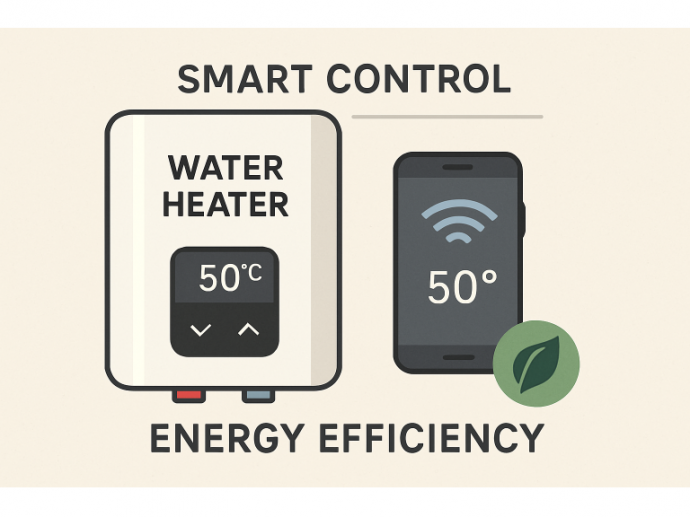
Today’s water heaters feature built-in smart technology to help homeowners optimize both comfort and efficiency. Smart units can connect to home networks, allowing for smartphone-based remote control of temperature settings and scheduling. Many models, including the award-winning A. O. Smith Signature 900 Series, offer real-time notifications on system performance, water usage, and potential leaks, helping prevent costly water damage and catch small problems before they escalate. These innovations give homeowners unprecedented insight into their water and energy consumption, ultimately maximizing efficiency and minimizing surprises in monthly utility bills.
Environmental Impact and Sustainability
Smart water heaters do more than shrink your energy bill; they also reduce your household’s carbon footprint. The efficiency of heat pump water heaters directly translates into less energy used per gallon of heated water, which means fewer greenhouse gas emissions from power plants. According to the Environmental Protection Agency, residential and commercial water heating contributes significantly to national emissions, so switching to more efficient technology is a meaningful step toward supporting local and global climate goals.
Installation Considerations
Upgrading to a smart water heater requires careful planning. Assess your home’s plumbing, electrical system, and space availability. Heat pump water heaters, for example, need proper air circulation and typically require more space than traditional tanks. It's important to hire a licensed professional for installation to ensure everything is set up correctly and in compliance with local codes. This also safeguards your investment, as proper installation is usually needed to qualify for manufacturer warranties and government rebates. For tips on choosing a licensed contractor and the installation process, visit Energy.gov’s guide to heat pump water heaters.
Conclusion
Switching to a smart water heater is a valuable investment for anyone focused on energy efficiency, household savings, and environmental responsibility. With the combined benefits of advanced features, available financial incentives, and substantial performance improvements, these systems offer immediate and long-term returns. As the deadline for federal incentives approaches, smart water heaters stand out as a timely and impactful upgrade for households looking to future-proof their homes and reduce their ecological footprint.
Comments
