Categories more
- Adventures (75)
- Arts / Collectables (24)
- Automotive (81)
- Aviation (75)
- Bath, Body, & Health (141)
- Children (52)
- Cigars / Spirits (85)
- Cuisine (93)
- Design/Architecture (34)
- Electronics (68)
- Entertainment (47)
- Event Planning (120)
- Fashion (71)
- Finance (16)
- Gifts / Misc (12)
- Home Decor (131)
- Jewelry (64)
- Pets (5)
- Philanthropy (5)
- Real Estate (37)
- Services (61)
- Sports / Golf (41)
- Vacation / Travel (148)
- Watches / Pens (77)
- Wines / Vines (39)
- Yachting / Boating (83)



Step-by-Step Guide to Becoming a Certified Pilates Instructor

Published
03/18/2026Many people want to become certified Pilates instructors but do not know where to start. There are several steps you must take before you can teach Pilates classes professionally. This blog post will guide you through each stage, from training and exams to building your career.
Keep reading so you do not miss any important tips!
Practice Pilates Regularly
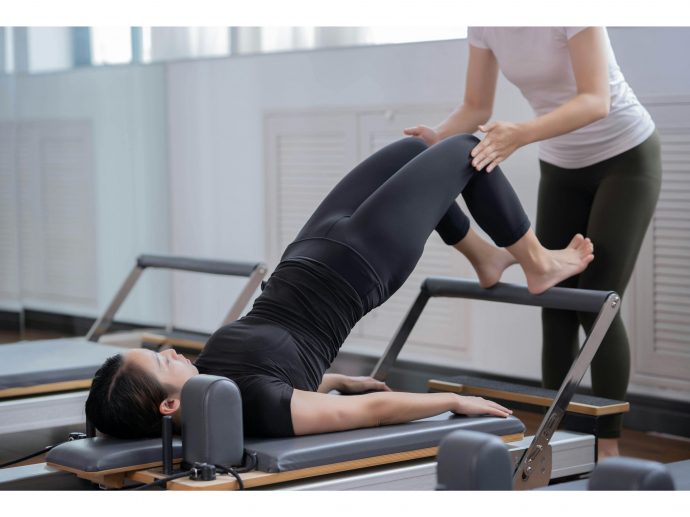
After you learn what the job involves, spend time doing Pilates often. Practicing three to five days a week helps your body get used to different matwork techniques and Pilates equipment like Reformers.
Regular sessions allow you to master each movement. You also gain a better understanding of proper form and client assessment methods. Many instructor training programs even require at least 20 hours of personal Pilates classes before coursework begins.
This steady practice builds your fitness education and prepares you for more advanced exercise instruction later in your certification journey.
Decide Why You Want to Become a Pilates Instructor
Building a strong Pilates routine helps you understand the benefits and methods of each exercise. Many people choose instructor training because they want to help others improve their fitness or recover from injury.
Some see Pilates as a way to support mental health, manage stress, or gain financial independence through teaching classes.
Think about what motivates you most before starting your certification program. Your reasons can guide the type of coursework, exams, and practical workshops you pursue. Having clear goals will also keep you focused during long hours of study and hands-on training in professional development programs.
Research and Choose a Certification Program
Research and choose a certification program that fits your goals. Look into classical and contemporary Pilates options. Check for accredited programs. Each choice can shape your teaching style.
Explore different paths to find the right fit for you!
Classical vs. Contemporary Pilates Training
Classical and contemporary Pilates training both prepare you for teaching, but each style takes a different approach.
|
Aspect |
Classical Pilates |
Contemporary Pilates |
|---|---|---|
|
Origin |
Follows Joseph Pilates' original method from the 1920s |
Builds on traditional principles with modern science and modifications |
|
Movement Order |
Keeps the same sequence and structure as the original routine |
Allows flexibility in exercise order and routines |
|
Equipment Use |
Uses original equipment like the Reformer, Cadillac, and Chair |
Includes new props like resistance bands and stability balls |
|
Teaching Focus |
Emphasizes precision and specific transitions |
Focuses on adapting exercises for different body types and needs |
|
Certification Bodies |
Popular schools: Romana's Pilates, Power Pilates |
Popular programs: STOTT PILATES, Balanced Body, BASI Pilates |
|
Anatomy Integration |
Stays close to original teachings without modern anatomy updates |
Blends in updated movement science and rehabilitation concepts |
|
Popularity |
Preferred by those wanting to follow the original method |
Appeals to instructors and clients seeking updated, adaptable workouts |
|
Global Reach |
Romana Kryzanowska and her students pushed classical Pilates worldwide |
Contemporary methods taught in over 100 countries as of 2023 |
Accredited Certification Options
Many programs provide Pilates certification. These options can help you become a skilled instructor.
- Look for programs accredited by reputable organizations. They ensure that the training meets high standards.
- Choose between classical and contemporary Pilates programs. Classical focuses on traditional methods, while contemporary offers modern techniques.
- Research different schools and their certification paths. Some may offer matwork training, while others include reformer training.
- Check if the program includes comprehensive coursework on anatomy and exercise instruction. This knowledge is key for effective teaching.
- Find out about required hours for certification. Each program has its own number of training hours and practice sessions with clients.
- Understand the exam structure for your chosen program. Most require both written tests and practical assessments to prove your skills.
- Ask about ongoing education opportunities offered by the school after certification. Continuous learning can improve your teaching methods over time.
- Read reviews from former students to get insights into each program's strengths and weaknesses.
Choosing an accredited program is crucial for your career growth as a Pilates instructor. Next, you should complete the required training hours to gain hands-on experience in teaching Pilates classes.
Complete Required Training Hours
To become a certified Pilates instructor, you must complete required training hours. Each certification program has specific hour requirements. Some programs ask for around 450 hours of training.
This time includes both coursework and practice teaching.
Training covers many aspects of Pilates. You will learn about classes, equipment, and client needs. Completing these hours helps build your skills and confidence as an instructor. It prepares you for the written and practical exams ahead.
Now it is time to study anatomy and movement principles next.
Study Anatomy and Movement Principles
Anatomy and movement principles are crucial for a Pilates instructor. Understanding how the body works helps in teaching others effectively. Focus on muscles, bones, and joints. Learn about posture and alignment too.
This knowledge aids in creating safe workout plans.
Studying these topics also improves your cueing skills during classes. Clear cues help clients understand movements better. Knowing anatomy allows you to adjust exercises based on client needs.
A solid grasp of movement principles ensures that your classes run smoothly and safely, enhancing everyone's experience in Pilates training sessions.
Pass Written and Practical Exams
Studying anatomy and movement principles prepares you for the next step. You must pass both written and practical exams on how to become a Pilates instructor. The written exam tests your knowledge of Pilates concepts, techniques, and safety practices.
It may cover topics from your coursework as well.
The practical exam evaluates your teaching skills. You will demonstrate exercises on different equipment like matwork or reformer. You'll also show how to guide students effectively.
Practice is key here; it helps build confidence in your abilities. Success in these exams proves you are ready to lead classes safely and professionally.
Gain Teaching Experience
- Gain Teaching Experience: Teach real clients to build your skills and confidence. Ask for feedback to help you improve. Each session will make you a better instructor. Want to know how to start teaching? Keep reading!
Practice with Real Clients
Choose real clients to practice your teaching skills. Working with them builds your confidence and shows you how to apply what you learned in training. Each session offers chances for hands-on learning.
Get feedback from your clients after classes. Ask them what they liked and where they felt challenged. Use this input to improve your teaching methods. Client assessment helps you grow as an instructor and offers insights into their needs, making each lesson more effective.
Get Feedback and Improve
After you practice with real clients, focus on getting feedback. Feedback helps you understand your strengths and weaknesses as a Pilates instructor. Encourage your clients to share their thoughts about the lessons.
Ask them what they liked and what could be better.
Use their input to make changes in your teaching style. Improving is a key part of being an effective instructor. Take note of any suggestions they offer. Learning from others will help you grow and become more confident in your skills as a certified Pilates instructor.
Build Your Pilates Career
Participating in a reputable pilates career training program can significantly enhance your teaching skills and confidence.
To build your Pilates career, create a plan that outlines your goals and steps. Connect with others in the Pilates community for support and growth. Networking can open doors to new opportunities.
Want to learn more about this journey? Keep reading!
Create a Business Plan
A business plan is key for your Pilates career. Start by outlining your goals. Determine what type of clients you want to attract. Decide on the services you will offer, such as private lessons or group classes.
Include details about your location and equipment needs. Plan how much money you need to start. Create a budget that covers expenses like rent and supplies. Think about how to market yourself too; social media can be a great tool for reaching new clients.
Having a clear plan helps build a solid foundation for success as a certified Pilates instructor.
Network Within the Pilates Community
Building connections is key for a successful Pilates career. Join local classes or workshops to meet other instructors and clients. Attend fitness events and conferences too. These settings allow you to share ideas, tips, and resources.
Networking helps you learn about new trends in training. You can discover different teaching methods through conversations with experienced instructors. Form strong relationships within the community; they can lead to job opportunities or collaborations later on.
Connecting with others enriches your journey as a Pilates instructor and keeps you informed about the latest practices in fitness education.
Stay Updated with Continuing Education
Continuing education is key for a Pilates instructor. New methods and techniques emerge all the time. Taking workshops or extra classes helps keep skills fresh and relevant.
Staying informed also benefits clients. It shows commitment to quality instruction. Joining professional groups can provide useful resources too. Many offer seminars that cover new trends in fitness education or anatomy knowledge, which enhances your teaching ability.
Tips for Success as a Pilates Instructor
Staying updated with education helps you grow as a Pilates instructor. Take workshops and advanced courses often. These will sharpen your skills and knowledge.
Build strong relationships with your clients. Listen to their needs and adjust classes accordingly. This shows you care about their progress. Networking within the Pilates community can open doors too.
Connect with other instructors, attend events, and share ideas to expand your reach in fitness education.
Conclusion
Becoming a certified Pilates instructor is exciting. Follow the steps in this guide. Practice often and learn about anatomy. Get hands-on training to build your skills. Stay connected with others in the fitness world.
Your journey will help you grow and succeed as an instructor.
Comments
