Categories more
- Adventures (62)
- Arts / Collectables (14)
- Automotive (77)
- Aviation (59)
- Bath, Body, & Health (123)
- Children (6)
- Cigars / Spirits (71)
- Cuisine (64)
- Design/Architecture (22)
- Electronics (17)
- Entertainment (4)
- Event Planning (12)
- Fashion (45)
- Finance (10)
- Gifts / Misc (6)
- Home Decor (45)
- Jewelry (41)
- Pets (3)
- Philanthropy (1)
- Real Estate (16)
- Services (23)
- Sports / Golf (14)
- Vacation / Travel (69)
- Watches / Pens (14)
- Wines / Vines (33)
- Yachting / Boating (67)



Struggling to Find the Perfect Yarn? Here’s What Every Hobbyist Needs to Know

Published
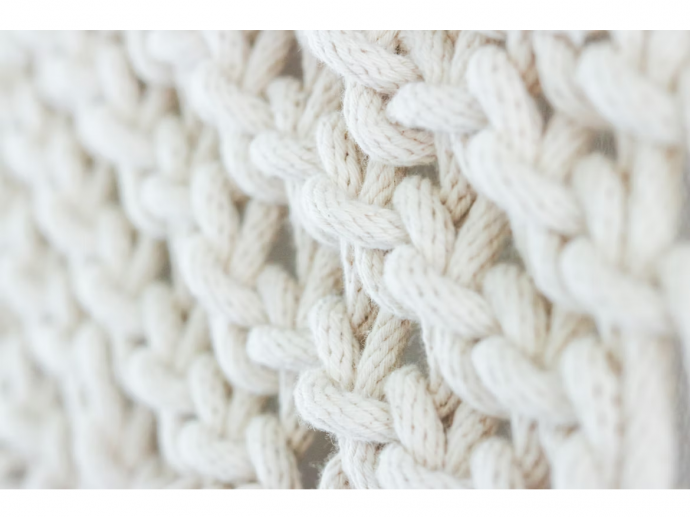
03/25/2026Finding the perfect yarn can feel overwhelming, especially when you’re faced with endless choices both in-store and online. The foundation of making the right decision begins with understanding the different types of yarn available. Yarn is typically made from natural fibers like wool, cotton, and silk, or synthetic options such as acrylic and polyester. Each type offers unique qualities that influence how your finished project will look, feel, and perform. For instance, wool yarn is warm and stretchy, making it ideal for winter clothing like hats and sweaters. Cotton yarn is lightweight and breathable, perfect for warmer climates or household items like dishcloths. Acrylic yarn is widely used because it’s affordable, low-maintenance, and beginner-friendly. Knowing these differences allows you to choose yarn that complements your project instead of working against it.
Choosing the Right Yarn Weight
Another critical factor to consider is yarn weight, which refers to the thickness of the yarn strand. Yarn weight ranges from very fine lace yarn to super bulky options, and each serves a different purpose. Lighter yarns are best for detailed, delicate designs, while thicker yarns are better for cozy, fast-working projects like blankets or scarves. The weight of the yarn also impacts how long your project will take to complete. Heavier yarns tend to work up quickly, making them great for beginners or time-sensitive projects. On the other hand, lighter yarns require more patience but offer a refined, intricate finish. Choosing the correct yarn weight ensures your project not only looks right but also feels comfortable and functional.
Paying Attention to Texture and Feel
Texture is often overlooked, but it plays a huge role in your crafting experience and final result. Some yarns are smooth and tightly spun, making them ideal for projects that require detailed stitch work. Others are fluffy, fuzzy, or textured, adding visual interest but sometimes making individual stitches harder to see. A smooth yarn is usually the best choice for beginners because it makes it easy to identify and fix mistakes. Textured yarns, while beautiful, can be more challenging to work with, especially for intricate patterns. Additionally, the feel of the yarn matters; soft yarns are great for garments, while sturdier textures work better for items like bags or rugs.
Matching Yarn to Your Skill Level and Project Goals
Your experience level and the purpose of your project should guide your final yarn choice. Beginners benefit from using medium-weight yarns, such as worsted weight, because they are easier to handle and more forgiving. These yarns make it easier to learn stitches and build confidence. It’s also important to think about how your finished item will be used. Projects that need frequent washing, like baby clothes or home accessories, should be made with machine-washable yarn. Meanwhile, decorative items may allow for more delicate fibers. Matching your yarn to both your skill level and your goals helps ensure a smoother process and a better result.
Choosing the perfect yarn doesn’t have to be a frustrating process once you understand what truly matters. By paying attention to fiber type, weight, texture, and your current skill level, you can confidently select materials that bring your vision to life while making the crafting process smoother and more enjoyable. The right yarn enhances every stitch, improves the final result, and turns your hobby into a more rewarding experience. If you’re still searching for quality options and inspiration, be sure to check out The Wandering Flock for yarns that can elevate your next project.
Comments
