Categories more
- Adventures (87)
- Arts / Collectables (25)
- Automotive (84)
- Aviation (83)
- Bath, Body, & Health (162)
- Children (57)
- Cigars / Spirits (105)
- Cuisine (121)
- Design/Architecture (55)
- Electronics (82)
- Entertainment (50)
- Event Planning (129)
- Fashion (127)
- Finance (19)
- Gifts / Misc (40)
- Home Decor (151)
- Jewelry (106)
- Pets (17)
- Philanthropy (6)
- Real Estate (79)
- Services (65)
- Sports / Golf (45)
- Vacation / Travel (244)
- Watches / Pens (92)
- Wines / Vines (65)
- Yachting / Boating (102)



Sustainable Fabric Choices for Modern Living Spaces

Published
12/29/2025Designing a modern living space that reflects personal style while nurturing environmental responsibility is now easier than ever. Opting for eco-friendly textiles isn’t just a trend—it’s a smart way to create healthy, beautiful homes with a minimal ecological footprint. You can easily shop quality fabrics online and find a wide selection of sustainable options to match any décor.
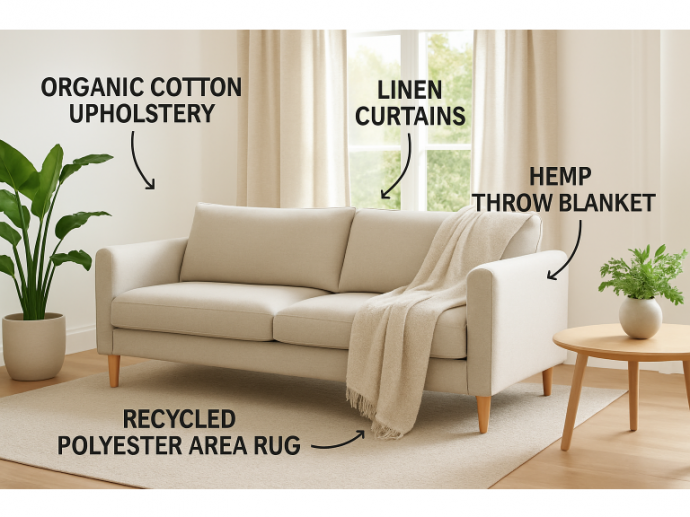
From plush sofas upholstered in organic cotton to light-filtering linen curtains, sustainable fabrics are making their way into homes everywhere. Their variety and beauty allow you to embrace eco-consciousness without sacrificing comfort or style. By prioritizing these sustainable materials, you support responsible manufacturing practices and ensure your choices matter for future generations.
Why Choose Sustainable Fabrics?
Standard fabric production methods can have significant, lasting impacts on production for our planet. The use of toxic chemicals, excessive water, and unsustainable farming practices are all common issues in traditional textile industries. Choosing sustainable fabrics counters these issues—many are grown or produced using less water and fewer chemicals, helping conserve vulnerable ecosystems and reduce pollution. According to National Geographic, even small shifts toward eco-friendly textiles have ripple effects in protecting biodiversity and minimizing waste.
For example, organic cotton farming avoids synthetic pesticides, safeguarding nearby water sources and encouraging healthier agricultural systems. Many sustainable fabrics, such as hemp and bamboo, are also rapidly renewable, meaning they regenerate quickly and require fewer resources. Thoughtful buying decisions can lead to cleaner, safer homes for both your family and the broader community.
Top Sustainable Fabrics for Home Interiors
Organic Cotton
Organic cotton is produced without the use of harmful fertilizers or pesticides, making it one of the most environmentally friendly choices on the market. Its soft, breathable quality makes it ideal for bedding, curtains, and even upholstery, while its hypoallergenic nature supports better health for sensitive individuals. Thanks to its natural growing process, organic cotton fabrics are a renewable, biodegradable resource, contributing to a cleaner environment.
Hemp
As a resilient and sustainable plant, hemp grows quickly and naturally resists pests, reducing the need for irrigation and chemical treatments. Its robust fibers offer impressive durability, ensuring furnishings last longer and need fewer replacements. Hemp fabric naturally supports cleaner indoor air and is also highly breathable and antimicrobial, making it a wise choice for long-lasting comfort and hygiene.
Recycled Polyester
Rather than relying on newly manufactured synthetics, recycled polyester is crafted from post-consumer products, most often plastic bottles. This process helps keep plastic out of landfills and waterways, conserves fossil fuel resources, and results in strong, versatile textiles. Recycled polyester fabrics are used in everything from rugs to throw pillows, and they’re praised for easy care and resistance to wear. According to The New York Times Wirecutter's sustainable fabric guide, recycled textiles are steadily improving in quality and performance.
Linen
Linen, harvested from flax plants, is praised for requiring significantly less water and fewer chemicals than conventional cotton during its cultivation. This timeless material is robust and biodegradable, making it ideal for high-use home furnishings such as slipcovers, napkins, or drapes. With its knack for staying cool and fresh, linen brings effortless elegance to modern interiors while maintaining the planet’s resources.
Incorporating Sustainable Fabrics into Your Home
Bringing sustainable fabrics into your living spaces doesn’t mean you have to sacrifice sophistication or comfort. There are many practical and stylish ways to add eco-friendly textiles throughout your home. Consider the following ideas:
- Upholstery: Select sofas and chairs made from organic cotton or hemp for long-lasting durability and relaxed comfort.
- Window Treatments: Add linen or bamboo curtains to invite beautiful light and natural texture into every room.
- Bedding: Opt for organic cotton or bamboo bed linens for a soft, environmentally friendly luxury.
- Rugs and Carpets: Ground your spaces with jute or recycled polyester rugs, which blend form, function, and eco-consciousness.
Benefits Beyond Sustainability
Eco-friendly fabrics often come with quality advantages that go beyond positive environmental impact. With fewer chemicals involved in their production, these materials can help support better indoor air quality—crucial for health and wellness at home. Their inherent durability means your furnishings look great for longer, reducing the need for wasteful, frequent replacements and helping you invest in long-lasting comfort.
Embracing sustainable choices also sends a powerful message about your values, showing that it’s possible to maintain elegant, comfortable interiors while supporting responsible stewardship of natural resources.
Conclusion
Making the switch to sustainable fabrics for your home is a meaningful decision with far-reaching benefits. When you prioritize organic cotton, hemp, linen, or recycled materials, you cultivate a living environment that values both beauty and impact. Your informed choices promote environmental responsibility, enhance your well-being, and help transform modern living spaces into places where both people and the planet thrive.
Comments
