Categories more
- Adventures (62)
- Arts / Collectables (14)
- Automotive (77)
- Aviation (66)
- Bath, Body, & Health (123)
- Children (6)
- Cigars / Spirits (71)
- Cuisine (66)
- Design/Architecture (22)
- Electronics (63)
- Entertainment (39)
- Event Planning (115)
- Fashion (45)
- Finance (10)
- Gifts / Misc (6)
- Home Decor (118)
- Jewelry (41)
- Pets (3)
- Philanthropy (1)
- Real Estate (16)
- Services (48)
- Sports / Golf (14)
- Vacation / Travel (89)
- Watches / Pens (57)
- Wines / Vines (34)
- Yachting / Boating (67)


Sustainable Home Design Trends for 2026

Published
03/27/2026Key Takeaways
- Natural materials and biophilic design connect occupants with the outdoors, improving health and happiness.
- Energy-efficient technologies reduce household energy use, lowering costs and environmental impact.
- Reclaimed and recycled materials add unique charm and authenticity while minimizing waste.
- Minimalist approaches emphasize purpose, craftsmanship, and durability over excess.
Table of Contents
- Natural Materials and Biophilic Design
- Energy-Efficient Technologies
- Reclaimed and Recycled Materials
- Minimalist Aesthetics
- Conclusion
As more homeowners prioritize environmental responsibility, sustainable home design is at the forefront of residential architecture for 2026. Eco-conscious design now merges character and visual appeal with responsible resource use, making it easier to create beautiful spaces that have a positive impact on the planet. Whether you are embarking on a new build, renovating your existing home, or simply seeking subtle upgrades, the latest trends highlight how sustainable approaches can elevate your home's landscape. For tailored local expertise, engaging skilled professionals, such as architects Merion, PA, can help realize your vision for sustainability with expert creativity and craftsmanship.
What separates 2026’s trends from earlier efforts is the artful integration of natural elements and technology, a renewed appreciation for reclaimed and recycled materials, and a strong embrace of minimalist yet timeless aesthetics. As the field evolves, these trends demonstrate how environmental responsibility and modern living can coexist and even enhance one another in our homes.
The era of merely "going green" is over. Now, conscientious design choices meaningfully impact the way we live, promoting well-being, reducing our ecological footprint, and future-proofing our homes. These practices reflect not just style, but an investment in longevity and quality of life for years to come.
If you’re ready to make sustainable upgrades a part of your household, understanding these leading ideas can help you make the most of your space, your budget, and the environment.
Natural Materials and Biophilic Design
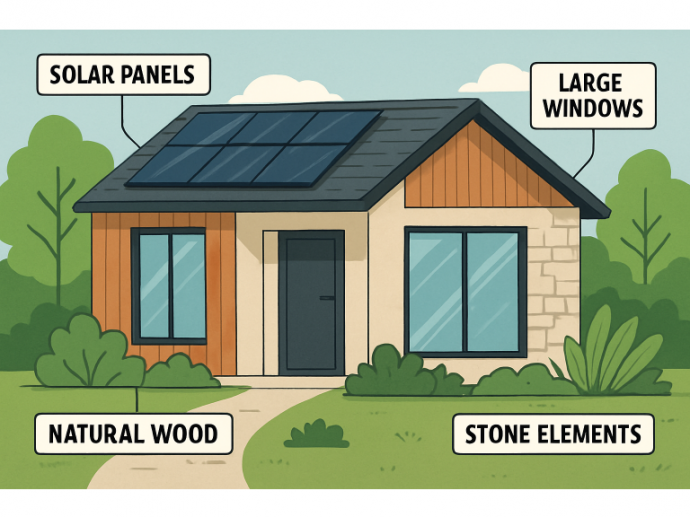
Biophilic design, centered around connecting occupants with nature, remains a defining feature of new homes in 2026. It incorporates elements like expansive windows for natural light, indoor greenery, natural wood, stone, bamboo, and cork. These materials create a calm, harmonious environment supporting wellness and mental peace. For example, integrating organically-inspired layouts and maximizing daylight not only enhances interior comfort but can also help maintain healthy circadian rhythms for residents.
Prominent architects and interior designers now prioritize these elements, combining tactile surfaces and textures with living plant walls or water features to enrich the senses. Beyond aesthetics, using renewable materials like bamboo reduces reliance on harvested wood, while stone and cork also offer durability and natural insulation. This trend is supported by both boutique and large-scale architects, setting a new standard for environmental design excellence.
Energy-Efficient Technologies
Technology continues to transform home sustainability. The latest wave of smart windows can automatically adjust tinting to control heat and light ingress, cutting energy waste by up to 30%. By controlling solar gain and loss, these innovations help lower heating and cooling needs and create consistently comfortable indoor climates. Smart thermostats, lighting systems, and appliances further enable homeowners to monitor and reduce daily energy consumption. For instance, LED lighting uses only about a quarter of the energy of traditional bulbs and lasts many times as long, providing high cost and resource savings.
More households are also incorporating solar panels, battery storage, and other renewable energy solutions. Integrating these technologies into smart home ecosystems enables real-time optimization of energy use, ensuring environmental stewardship without compromising convenience or comfort. The availability of these advancements at decreasing costs means sustainability is increasingly accessible to mainstream homeowners.
Reclaimed and Recycled Materials
With concerns about resource depletion and waste on the rise, using reclaimed wood, recycled metals, and composite materials is more popular than ever. Salvaged materials not only reduce landfill loads and demand for new resources, but they also bring unique character, story, and patina to every room. Whether it’s a kitchen countertop made from repurposed barn wood or steel beams repurposed as architectural supports, these materials signal both eco-consciousness and sophisticated style.
Homeowners are getting creative with these details, combining vintage fixtures with modern components for a one-of-a-kind look. The rise of online marketplaces for salvaged building materials has made sourcing these items easier, while many designers now anticipate reclaimed options as part of custom build and remodel projects. Recycled glass tiles, brick, and steel join with wood to form a palette rich in history and sustainability.
Minimalist Aesthetics
Sustainable design does not mean sacrificing style. In fact, minimalist interiors defined by clean lines, open space, and functional layouts are among the most sought-after trends for 2026. The minimalist mindset emphasizes longevity and quality by valuing fewer, more meaningful objects rather than excessive clutter. Thoughtful organization, multi-purpose furnishings, and timeless décor reduce waste and support a sustainable lifestyle by discouraging frequent replacement or unnecessary purchases.
The minimalist approach also includes subtle, neutral color palettes, durable finishes, and modular furniture that can adapt as needs change. These choices reflect a shift in values toward slower, more intentional living. Reducing material excess through minimalism aligns both aesthetic and ecological goals, ensuring that homes feel serene and remain flexible for years to come.
Conclusion
Looking ahead, the sustainable home design trends of 2026 are characterized by their ability to balance environmental stewardship with comfort and visual appeal. By embracing biophilic design, integrating smart technology, utilizing reclaimed and recycled materials, and prioritizing minimalist aesthetics, today’s homeowners ensure their living spaces are healthy, efficient, and enduring. Choosing such approaches is an investment in the planet and in a higher quality of daily living—one that will set the standard for generations to come.
Comments
