Categories more
- Adventures (213)
- Arts / Collectibles (374)
- Automotive (888)
- Aviation (383)
- Bath, Body & Health (3913)
- Children (138)
- Cigars / Spirits (295)
- Cuisine (727)
- Design / Architecture (1122)
- Electronics (255)
- Entertainment (170)
- Event Planning (296)
- Fashion (588)
- Finance (369)
- Gifts / Misc (141)
- Home Decor (589)
- Jewelry (418)
- Pets (92)
- Philanthropy (124)
- Real Estate (401)
- Services (225)
- Sports / Golf (216)
- Vacation / Travel (1079)
- Watches / Pens (237)
- Wines / Vines (872)
- Yachting / Boating (9084)




That Peeling Cabinet Door: Why Bathroom Vanities Fail and How to Choose One That Won't

Published
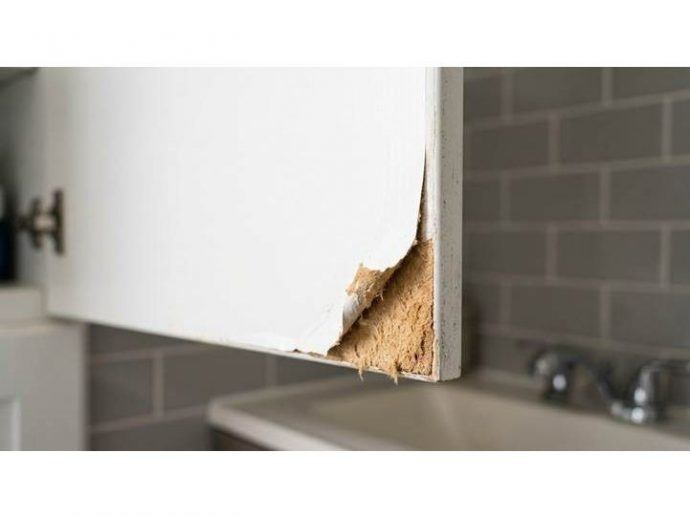
11/03/2026By a bathroom design industry contributor. You’ve seen it before. The corner of a cabinet door where the white coating has started to peel away, showing a fuzzy, tan material underneath. Or the bottom edge of a sink base, swollen and warped from a slow leak or years of mopped-up splashes. This kind of damage might seem bound to happen in a bathroom, but it doesn't have to. It’s a problem with the materials, not just a problem with water.
Most of these issues come from cabinets made of medium-density fiberboard (MDF) or particleboard, especially when they are covered with a thin layer of vinyl called thermofoil. Steam from a hot shower is the real enemy. It gets into the smallest cracks, causing the glue that holds the wood bits together to fail and the vinyl coating to peel away. Knowing the difference in these materials is the most important part of finding quality bathroom cabinets arvada. The goal is to find a cabinet that is built to handle a lifetime of moisture, not just one that looks good in a showroom.
Quick answer: Bathroom cabinets usually fail because moisture damages materials like particleboard and MDF. The best defense is to choose cabinets made from solid wood or high-quality, moisture-resistant plywood. Look for good construction details like dovetail joints and a strong finish put on at the factory that completely seals the wood.
What's inside
- Why Bathroom Cabinets Really Fail (It's Not Just Water)
- Stock, Semi-Custom, or Custom: What's the Difference?
- How to Spot a Well-Made Cabinet in Person
- Plywood vs. MDF: A Clear Guide for Humid Spaces
- Key Questions to Ask Any Cabinet Supplier
- Frequently Asked Questions About Bathroom Vanities
Why Bathroom Cabinets Really Fail (It's Not Just Water)
The main reason is that constant humid air attacks the glues inside man-made wood products, causing them to swell and fall apart from the inside out. A single splash is easy to wipe away, but the moisture in the air from a daily hot shower is a much bigger, more constant problem. This humid air gets into places that liquid water can’t reach, like the back of doors, drawer joints, and unsealed holes cut for plumbing.
Most low-cost and mid-range vanities are built from medium-density fiberboard (MDF) or particleboard. These materials are not solid wood. They are products made of wood dust (MDF) or small wood chips (particleboard) that are pressed and glued together. When steam gets past the cabinet's outer finish, it is soaked up by these wood fibers. The fibers swell, breaking the glue that holds the board together. This is damage that can’t be fixed, and it leads to bent shelves, swollen door edges, and a "fuzzy" texture under a peeling finish.
The finish itself is often the way moisture gets in. A common finish, thermofoil, is a thin layer of vinyl that is heat-pressed onto an MDF door. It looks smooth and perfect when new. But the heat from a steamy bathroom can weaken the glue over time, causing the vinyl to peel away at the edges. Once a tiny gap opens, it acts like a funnel, pulling steam right into the raw MDF core. The vinyl then traps that moisture, making the board break down faster.
Ask any installer where they see vanities fail first. It's almost always the same two places: the bottom edge of the sink base doors and the toe-kick area. These spots get the most exposure to both steam settling down and water from mopping the floor. A well-built cabinet will have a water-resistant finish that fully wraps these edges that get damaged easily.
Stock, Semi-Custom, or Custom: What's the Difference?
The main differences are cost, wait time, and how much you can change them. Stock cabinets are pre-made in standard sizes, semi-custom allows for some changes in size or finish, and custom cabinets are built from scratch to fit your exact needs. Understanding these types helps you match your budget and schedule with your design goals.
Stock cabinets are the fastest and most affordable option. You can often buy them directly from a big-box store and take them home the same day. The downside is a very limited selection of styles, sizes, and finishes. They are also frequently made from lower-grade materials like particleboard to keep costs down.
Semi-custom cabinets offer a good balance of choice and cost. You start with a standard cabinet line but can make modifications. You might change the depth to fit a narrow bathroom or choose from dozens of paint and stain colors. The lead time is longer because they are made to order.
Custom cabinets provide complete freedom. A cabinetmaker builds them specifically for your space. You can specify the exact dimensions, wood species, door style, and finish. This is the most expensive route and takes the longest, but it ensures a perfect fit and the highest quality construction.
|
Category |
Typical Cost |
Lead Time |
Customization |
|
Stock |
$ |
1 to 2 weeks |
None. Fixed sizes and finishes. |
|
Semi-Custom |
$$ |
4 to 8 weeks |
Moderate. Can alter depth, width, or choose from a wider finish palette. |
|
Custom |
$$$ |
8 to 12+ weeks |
Unlimited. Any size, style, material, or finish is possible. |
How to Spot a Well-Made Cabinet in Person
You can judge a cabinet's quality by checking its construction, drawers, and finish, not just its style. High-quality cabinets feel solid and have details that show they are built to last. Lower-quality ones often have obvious signs they were made cheaply that are easy to spot once you know what to look for.
Check the Box Construction
The "box" is the cabinet's main frame. Ignore the door for a moment and look inside. The best cabinet boxes are made from furniture-grade plywood that is at least 1/2-inch thick. Press on the back panel. If it feels flimsy like cardboard, it's likely a thin hardboard that won't hold its shape over time.
Look for solid wood corner braces or, even better, I-beams. These are short, sturdy wood supports running from the front to the back of the cabinet. They are important for keeping the cabinet square under the heavy weight of a stone countertop. They also make sure it can be installed perfectly level.
Inspect the Drawers and Hardware
A well-made drawer is like a small cabinet. Pull a drawer all the way out and look at the corners. The best you can get is dovetail joinery, an interlocking pattern that creates a very strong physical connection. Drawer boxes held together with staples or dowels are a sign of cheaper construction that can loosen over time.
The drawer glides are just as important. Look for full-extension glides. They allow the drawer to slide all the way out so you can reach everything inside. Soft-close features are another sign of quality. They prevent drawers from slamming shut, which reduces stress on the joints and hardware.
Feel the Finish
Run your hand over the surfaces of the doors and cabinet frame. A quality factory finish should feel perfectly smooth and consistent, almost like furniture. You should not feel any rough patches or see thin spots, especially in the detailed grooves of a door. A complete, even seal is what keeps moisture out of the wood.
For example, a painted maple door should feel like glass. If you see thin paint coverage on the detailed edges of the door style, it is a weak point. Steam will find that spot first and begin to cause damage.
Plywood vs. MDF: A Clear Guide for Humid Spaces
Your choice between plywood and MDF directly impacts your vanity's lifespan. While they can look similar on the outside, they behave very differently when exposed to moisture. Understanding this difference is key to making a smart investment.
Plywood is made from thin wood sheets glued together in alternating directions. This cross-graining gives it excellent strength and stability. It also resists moisture much better than MDF. If plywood gets wet, it tends to swell evenly and can often dry out without losing its structural integrity.
MDF is made from very fine wood dust mixed with resin and pressed into dense sheets. Its main advantage is a perfectly smooth surface, which is ideal for painting or applying thermofoil. However, MDF acts like a sponge when it gets wet. The wood fibers swell up permanently, and the material will not return to its original shape. It is a poor choice for a humid bathroom unless it is perfectly sealed with a premium, industrial-grade finish.
Insider Tip: Ask about the specific grade of plywood. Furniture-grade plywood uses higher quality veneers and has fewer hidden voids inside. For the ultimate protection in wet areas, marine-grade plywood uses completely waterproof glue, though it is a more expensive option.
Key Questions to Ask Any Cabinet Supplier
When you shop for a vanity, you are the inspector. Use these questions to learn about the real quality of a cabinet, not just its surface appearance. A good supplier will be able to answer them easily.
- What material is the cabinet box made from? You want to hear "plywood" with a thickness of at least 1/2-inch.
- How are the drawers constructed? The best answer is "dovetail joinery."
- What kind of drawer glides and hinges are used? Look for major brands and features like full-extension and soft-close.
- What type of finish is applied? A catalyzed conversion varnish is an industry standard for durability and water resistance.
- Does the finish cover all surfaces? A quality cabinet will have its top, bottom, and side edges sealed, not just the parts you see.
Frequently Asked Questions About Bathroom Vanities
What is the best material for bathroom cabinets?
High-quality plywood is often the best overall choice for a bathroom. It offers an excellent balance of strength, stability, and moisture resistance. Solid wood is also very durable, but it can sometimes expand and contract with large humidity swings. Materials like MDF and particleboard should be avoided unless they are exceptionally well sealed with a premium, industrial-grade finish.
What is the best waterproof material for bathroom cabinets?
No wood-based cabinet is truly waterproof. The goal is moisture resistance. Marine-grade plywood offers the highest level of water resistance available in a wood product because it uses waterproof glue. For a completely waterproof option, you would need to look at synthetic materials like PVC. However, these are less common in residential design and offer a different aesthetic.
Is a factory finish really better than just painting a cabinet?
Yes, a factory finish is significantly more durable. Factories use catalyzed conversion varnish or similar industrial coatings. These are chemically cured to create a hard, non-porous shell that is much tougher than standard house paint. This finish is applied in a dust-free, controlled environment for a perfect, even coat that fully seals the wood from moisture.
About the author
This article is contributed by KBD Colorado, a kitchen and bathroom design firm. The company provides cabinetry and remodeling services to homeowners in the Denver area. For more information, visit kbdcolorado.com.

Comments