Categories more
- Adventures (62)
- Arts / Collectables (14)
- Automotive (77)
- Aviation (65)
- Bath, Body, & Health (123)
- Children (6)
- Cigars / Spirits (71)
- Cuisine (66)
- Design/Architecture (22)
- Electronics (63)
- Entertainment (36)
- Event Planning (115)
- Fashion (45)
- Finance (10)
- Gifts / Misc (6)
- Home Decor (118)
- Jewelry (41)
- Pets (3)
- Philanthropy (1)
- Real Estate (16)
- Services (44)
- Sports / Golf (14)
- Vacation / Travel (85)
- Watches / Pens (33)
- Wines / Vines (34)
- Yachting / Boating (67)


The 2026 World Cup Was Football With A Higher Price Tag

Published
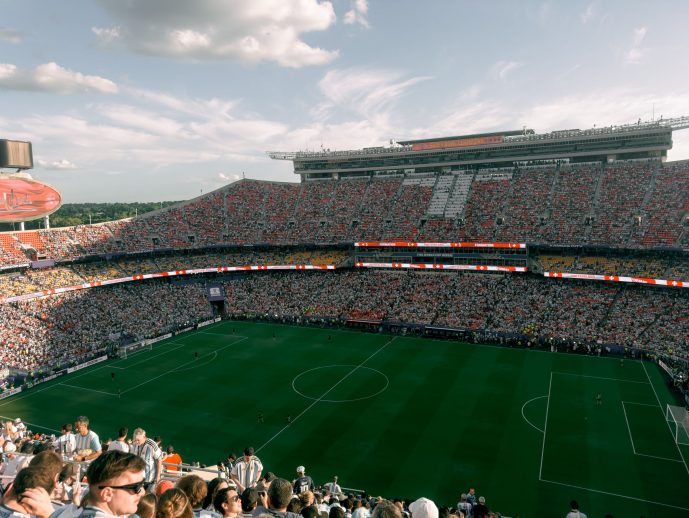
08/03/2026The 2026 World Cup was held across the United States, Canada and Mexico, and it felt like it. This was not a compact tournament where fans could pretend the whole thing belonged only to football. It was airports, hotels, long rides, huge stadiums, city prices and matchdays built like major events. MetLife Stadium in New Jersey was the best example. It hosted the final, and nobody would mistake it for an old football ground with cramped seats and a local pub outside. It is a giant American stadium, the kind of place made for NFL games, concerts, suites, sponsors and people who do not want to queue for a hot dog with everyone else. That setting told the story before the match even started. The World Cup had become bigger than the ticket. It had become a trip, a package, a status thing, and for many fans, a very expensive way to be close to football.
MetLife Made The Luxury Obvious
A fan in the upper seats and a fan in a private suite were watching the same final, but their day was not the same at all. One had the usual mess. Transport, crowds, food lines, security, expensive drinks, a long walk back after the whistle. The other had a softer version of the day. Better entrance, better seat, better food, cleaner space, fewer people in the way. The game did not care about any of that. A bad pass looked the same from every section. A missed chance still hurt. But the World Cup around the game was no longer one shared experience. It had layers, and money decided which layer you lived in.
Betting Lived In The Same World
Betting fitted easily into that World Cup because the matches already felt loaded. A normal league game can be forgotten by next weekend. A World Cup knockout match stays around. One penalty, one red card, one tired defender, one goalkeeper having the night of his life, and suddenly the whole story changes. That is why World Cup betting on Betway Nigeria never feels quite like club betting. People were not only looking at form. They were looking at pressure, travel, heat, national expectation, injuries, squad depth and whether a favourite actually looked calm enough to play. The fan in the suite and the fan watching on a phone were not having the same day, but they could still be pulled into the same question: who handles the moment?
The Tournament Sold More Than Matches
In cities like New York, Los Angeles, Miami, Toronto and Mexico City, the World Cup dropped into places that already knew how to sell a big weekend. Hotels did not need a lesson. Restaurants did not need a lesson. Airlines, bars, transport companies and hospitality sellers all understood what was arriving. For fans, the spending started before kickoff and kept going after full-time. Flights, rooms, shirts, food, tickets, transfers, fan events, maybe another city for the next match. The football was the centre, but the bill was built around everything else. That is where the luxury part stopped being a side story. It became part of the tournament itself.
The Money Could Not Calm The Match
The funny part is that all the luxury stopped at the white line. A suite did not make a penalty easier to watch. A better seat did not save a bad bet. Hospitality food did not stop a favourite from freezing. The rich fan and the regular fan could both end up staring at the same late goal in disbelief. That was the strange charm of the 2026 World Cup. Around the pitch, everything looked more expensive. Inside the match, football stayed rude.
Comments
