Categories more
- Adventures (17)
- Arts / Collectables (14)
- Automotive (36)
- Aviation (11)
- Bath, Body, & Health (76)
- Children (6)
- Cigars / Spirits (71)
- Cuisine (64)
- Design/Architecture (22)
- Electronics (13)
- Entertainment (4)
- Event Planning (12)
- Fashion (45)
- Finance (10)
- Gifts / Misc (6)
- Home Decor (45)
- Jewelry (41)
- Pets (3)
- Philanthropy (1)
- Real Estate (16)
- Services (23)
- Sports / Golf (14)
- Vacation / Travel (60)
- Watches / Pens (14)
- Wines / Vines (33)
- Yachting / Boating (52)


The Appeal of Flowing Plus Size Renaissance Dresses for Festivals

Published
03/18/2026The modern renaissance fair isn’t a costume party—it’s an experience
Walk into a renaissance festival on a busy weekend and you’ll notice something immediately: people aren’t just “dressed up.” They’re inhabiting a world. The best outfits don’t look stiff or over-engineered; they move. They catch the wind, swish as you turn, and feel believable in the setting—whether you’re watching a joust, browsing leatherwork stalls, or tracking down the best turkey leg on the grounds.
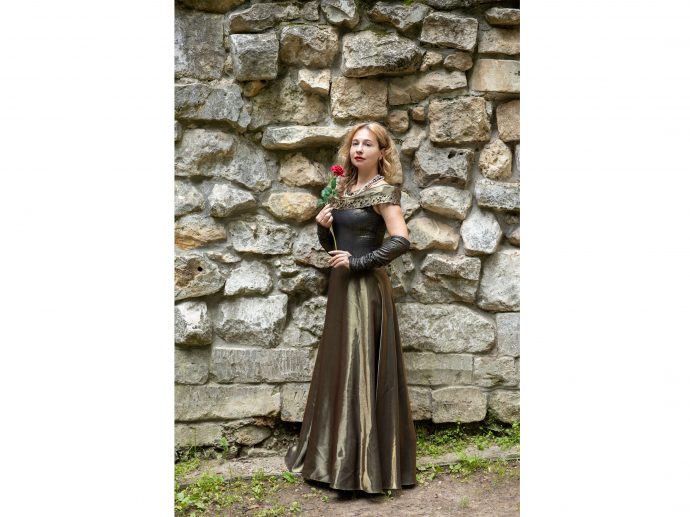
That’s exactly why flowing plus size renaissance dresses have become such a staple. They’re practical for long days on your feet, photogenic in any light, and versatile enough to build a character around—without needing a closet full of armor.
But the real appeal goes deeper than aesthetics. A great festival dress solves a handful of problems at once: comfort in unpredictable weather, mobility in crowds, and a silhouette that feels confident rather than restrictive. If you’ve ever spent a day tugging at a bodice, fighting a waistband, or overheating in synthetic fabric, you already know how much the right garment matters.
Why “flow” matters: comfort, movement, and shape
Movement reads as authenticity (and feels better, too)
Flowing skirts and relaxed sleeves aren’t just romantic—they’re functional. Festivals involve walking, sitting on hay bales, stepping over uneven ground, and occasionally sprinting to catch a show. Dresses with generous drape give you room to move naturally, and they tend to look more “period-inspired” in motion than overly structured pieces.
A-line and tiered skirts, broomstick shapes, and soft gathers also photograph beautifully because the fabric creates dimension. In candid shots, movement becomes part of the outfit rather than something you have to pose for.
Breathability is the underrated hero of festival costuming
Many renaissance fairs run in late spring through early fall. Even if the forecast looks mild, sun exposure and crowds can make the day feel much warmer. Flowing dresses—especially those designed with breathable, natural-feeling fabrics or loose weaves—create airflow and reduce that “trapped heat” feeling. If you’re planning to wear layers (cloak, chemise, corset belt), starting with a breathable base dress becomes even more important.
Fit that works with you, not against you
Plus size costuming has come a long way, but festival fashion still has pitfalls: inconsistent sizing, bodices designed for a narrow range of proportions, and “one-size-fits-most” pieces that rarely do. Flowing silhouettes are more forgiving across bust, hip, and belly variations, and they’re easier to customize with lacing panels, belts, or overskirts.
The goal isn’t to hide your shape—it’s to wear something that lets you enjoy the day without constantly adjusting your outfit.
Choosing a dress that holds up all day (and still feels magical)
There’s a difference between a dress that looks good for ten minutes and one that carries you through eight hours of walking, eating, sitting, and dancing. When you’re shopping, it helps to think like a festival veteran: where will you stash your phone, how will you handle temperature swings, and can you comfortably use the restroom?
If you want a solid starting point for options that lean into that romantic, flowing vibe, this roundup of plus-size fantasy dresses for your next renaissance festival can help you compare silhouettes and get a feel for what styles you’re drawn to—whether you prefer cottagecore softness, high-fantasy drama, or something closer to classic “wench” styling. The key is to look for designs that balance visual impact with wearability.
The best features to prioritize (without overthinking it)
You don’t need a checklist a mile long, but a few practical features make an outsized difference. If you’re only going to remember one thing, let it be this: your festival outfit should help you forget about your outfit.
Here are the features that tend to perform best in real-life fair conditions:
- Adjustable fit (lace-up bodices, elasticized panels, or flexible waist shaping) so the dress moves with you after meals and throughout the day
- Roomy sleeves that won’t bind at the upper arm and still layer well under shawls or cloaks
- A skirt with stride—enough fullness to walk comfortably without constantly lifting fabric
- Fabric that won’t punish you in heat (scratchy, non-breathable materials can turn a fun day into a countdown to leaving)
That’s it. Four priorities that cover 90% of the comfort equation.
Styling: how to make one dress look like a full “character”
Layering creates dimension (and gives you weather control)
The easiest way to elevate a flowing dress is to add one or two layers that change the silhouette. Think: a contrasting overdress, a structured corset belt, or an overskirt that hints at a different social class or storyline. Layers also give you options when the temperature shifts—common at fairs that start cool in the morning and get surprisingly hot by noon.
A simple trick: choose one “hero” element (a dramatic sleeve, a bold skirt, or a cinched waist) and keep everything else supportive. The most memorable looks usually have a focal point.
Accessories should earn their keep
Festival accessories are more fun when they’re not purely decorative. A pouch or belt bag keeps your hands free. A cloak pin is both a costume detail and a functional fastener. Comfortable footwear—boots, lace-up flats, or supportive sandals—can make or break your day more than any bodice ever will.
If you’re new to renaissance fairs, consider this your permission slip to prioritize comfort. You can still look incredible while wearing shoes you can actually walk in.
Don’t underestimate hair and neckline details
If you want a big visual upgrade without adding heat or weight, look at pieces that frame the face: a simple circlet, a scarf woven through a braid, or a necklace that suits the era you’re riffing on. Square and scoop necklines are especially popular for a reason—they highlight jewelry, pair well with chemises, and keep the look balanced even with a fuller skirt.
Confidence is the real “authenticity” at renaissance festivals
Here’s the quiet truth: the most convincing costumes aren’t the most expensive or historically precise. They’re the ones worn with ease. Flowing plus size renaissance dresses work so well because they support that ease—physically and emotionally. When you’re comfortable, you stay present. You engage with performers. You take pictures without bracing yourself. You dance if the music catches you.
And that’s the point, isn’t it? A renaissance festival is a playful break from modern life. A dress that moves with you, breathes with you, and feels like it belongs in the world around you makes that break feel more complete.
So if you’re building your festival wardrobe this season, start with flow. Start with comfort. The magic tends to follow.
Comments
