Categories more
- Adventures (62)
- Arts / Collectables (14)
- Automotive (77)
- Aviation (65)
- Bath, Body, & Health (123)
- Children (6)
- Cigars / Spirits (71)
- Cuisine (66)
- Design/Architecture (22)
- Electronics (63)
- Entertainment (36)
- Event Planning (115)
- Fashion (45)
- Finance (10)
- Gifts / Misc (6)
- Home Decor (118)
- Jewelry (41)
- Pets (3)
- Philanthropy (1)
- Real Estate (16)
- Services (44)
- Sports / Golf (14)
- Vacation / Travel (85)
- Watches / Pens (33)
- Wines / Vines (34)
- Yachting / Boating (67)


The Art of Curating a Personal Luxury Collection

Published
08/28/2026Building a personal luxury collection is way more than just buying fancy stuff. It's a truly personal journey, turning simple ownership into an adventure of discovery, passion, and storytelling. A real collection isn't just a bunch of expensive things; it's a story you've put together, a physical snapshot of your tastes, interests, and life.
Every single piece adds to a bigger picture, showing off your unique vision and your love for great craftsmanship, beauty, and meaning. This careful attention to detail even extends to picking out materials, where smart buyers are increasingly looking at rare gemstone jewelry that offers both real value and stunning looks.
This whole effort is about making something truly yours, a lasting statement of good taste that speaks volumes without saying a word. It’s about the thrill of the hunt, the joy of learning, and the satisfaction of keeping something beautiful safe for the future.
Beyond Ownership: The Collector's Mindset
When you embrace the collector's mindset, you start seeing things differently; you become a curator instead of just a consumer. A consumer buys something because they need it right now or just like how it looks. A collector, though, looks for pieces that fit into a bigger plan.
This way of thinking comes from passion and a deep appreciation for the story behind an object. It means doing your homework, being patient, and genuinely loving whatever category you pick, whether it's fine art, rare books, designer handbags, or vintage cars.
A true collector understands they're just looking after these items for a while. They're not driven by what's trendy, but by a desire to connect with history, art, and skilled work.
Part of becoming a collector is also learning to resist the urge to buy everything that catches your eye. Not every beautiful or expensive item needs a place in your collection. Over time, you'll develop a sharper sense of what fits your vision and what doesn't.
This makes each new purchase feel more meaningful, because it has been chosen with intention rather than impulse. The research itself can also become part of the fun, introducing you to designers, makers, historical periods, and techniques you might never have discovered otherwise.
Identifying True Value in Collectables
Figuring out what a collectible is truly worth goes way beyond its original price. Real value is a tricky mix of different things. For any collectible, factors like rarity, provenance, and condition are super important. An item in perfect shape with a clear history of who owned it will almost always be worth more than a similar piece that's worn or has an unknown past.
Its cultural importance also plays a huge part. An item connected to a famous person, a historical event, or a big moment in design can be incredibly valuable. Think about the difference between a regular chair and one known to have belonged to a famous architect. The story and context add layers of desirability that you can't just measure by the materials alone.
Learning to spot these subtle differences is what makes someone a discerning collector, not just a casual buyer.
The Enduring Appeal of Vintage Timepieces
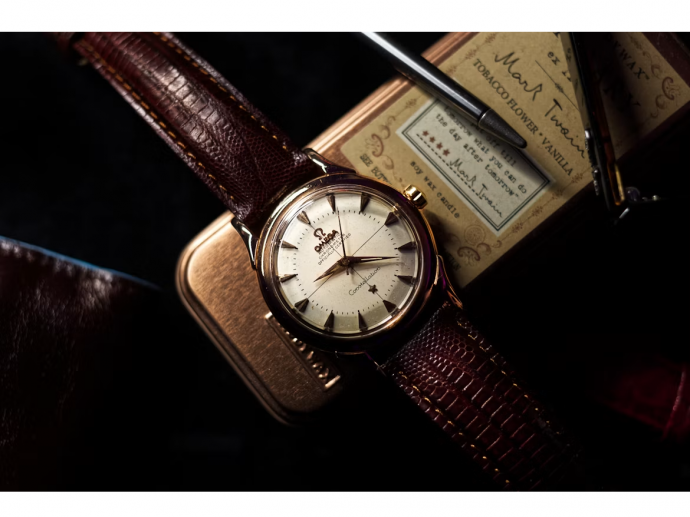
Among the most loved items for collectors are vintage timepieces. A vintage watch isn't just something to tell time with; it's a tiny piece of mechanical art, a historical artifact, and a symbol of style that lasts. These watches come from a time when watchmaking was done by hand, with incredible focus on being precise and durable. The gentle aging on a dial or the worn leather strap tells a story that a brand new watch simply can't.
Fans are drawn to the complex inner workings, the classic designs, and the history packed into each one. From iconic dive watches that explored the deep sea to elegant dress watches that graced fancy events decades ago, each carries a unique story.
If you're looking to dive into this fascinating world, online specialists like GMTwatchshop offer a carefully chosen selection of vintage and rare models, making it easy for both new and experienced collectors to find their next beloved piece.
Preserving Your Prized Possessions
Getting a beautiful item is just the start; keeping it safe is just as crucial. How much you enjoy and how valuable your collection remains over time depends entirely on how well you preserve it. This means taking a proactive approach, specifically tailored to what each item needs. For fine art and delicate paper, you'll want to control how much light and humidity they get. For a wine collection, it's all about keeping a steady, cool temperature.
Mechanical things like classic cars or watches need regular check-ups to stay in good working order. Beyond just physical care, proper documentation and insurance are a must. Cataloging each piece with photos, receipts, and any authenticity certificates creates an incredibly valuable record.
This dedication to proper care and stewardship ensures your collection stays in top shape, protecting both its financial and sentimental value for years to come.
Building a Legacy Through Your Collection
Ultimately, a personal collection can become a legacy. It's a tangible reflection of your life's passions that can be passed down through generations. The stories behind each piece you acquire, the hunt, the discovery, and why you fell in love with it, add a rich layer of personal history, turning objects into true heirlooms. Imagine a grandchild holding a watch you wore for decades, knowing the story of how you found it and what it meant to you.
To build this kind of legacy, think about starting a collection journal or a digital archive. Document each piece, its history, and your personal connection to it. This narrative context is what gives a collection its soul. It makes sure that when it's time to pass it on, you're not just giving away things, but sharing a part of your story, inspiring a new generation of caretakers to continue the journey.
A well-curated collection brings immense personal satisfaction. It's a creative outlet, an intellectual challenge, and a way to connect with the past while building a legacy for the future.
Comments
