Categories more
- Adventures (62)
- Arts / Collectables (14)
- Automotive (77)
- Aviation (65)
- Bath, Body, & Health (123)
- Children (6)
- Cigars / Spirits (71)
- Cuisine (66)
- Design/Architecture (22)
- Electronics (63)
- Entertainment (36)
- Event Planning (115)
- Fashion (45)
- Finance (10)
- Gifts / Misc (6)
- Home Decor (118)
- Jewelry (41)
- Pets (3)
- Philanthropy (1)
- Real Estate (16)
- Services (44)
- Sports / Golf (14)
- Vacation / Travel (85)
- Watches / Pens (34)
- Wines / Vines (34)
- Yachting / Boating (67)



The Art of Curating High-End Consumer Experiences

Published
03/04/2026Defining the Evolution of High-End Service
The world of luxury is rapidly transforming. Today's high-end consumers demand more than just premium products; they seek deeply curated, unforgettable experiences. This fundamental shift is reshaping both the hospitality and retail sectors. We are witnessing a powerful convergence where exceptional service and memorable moments define true luxury.
This extensive guide explores this dynamic evolution. We will uncover the key trends driving growth, from personalization and sustainability to the impact of technology. We will also examine how brands craft lasting customer satisfaction, discuss career paths, and peer into the future of this intertwined market.
Luxury, at its core, transcends mere material value. It is defined by exclusivity, high quality, unique design, outstanding performance, and a clear superiority over alternatives. In the realm of hospitality and retail, this means creating an environment where every interaction is meticulously crafted to evoke a sense of privilege, comfort, and deep satisfaction.
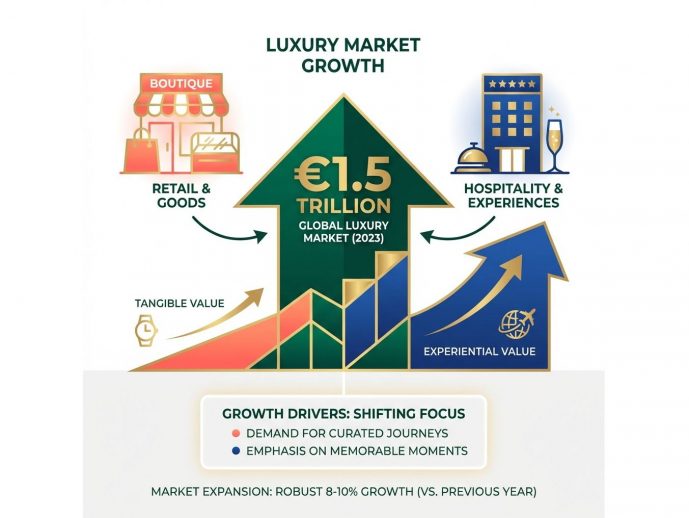
The global luxury market reached an astounding €1.5 trillion in 2023, marking a robust 8% to 10% growth over the previous year. This impressive expansion underscores a consumer shift towards valuing experiences as much as, if not more than, tangible goods.
Distinguishing Luxury from Standard Hospitality
What truly sets luxury hospitality apart from its standard counterpart is an unwavering commitment to anticipating and exceeding guest expectations. Standard hospitality offers comfort and convenience; luxury hospitality provides an immersive, bespoke journey. This distinction is built on several pillars:
- Personalized Service: Beyond meeting needs, luxury service anticipates desires. It involves remembering preferences, understanding individual tastes, and proactively offering tailored solutions.
- Attention to Detail: From the thread count of linens to the precise temperature of a room, every element is considered and perfected. It’s about the subtle nuances that elevate an experience from excellent to extraordinary.
- Exclusivity: Luxury often implies access to unique, rare, or private experiences that are not readily available to the general public. This can range from private dining to curated tours.
- Authenticity: Guests seek genuine connections to local culture, heritage, and unique stories, rather than generic opulence.
- Emotional Labor: For luxury brands, this mindset requires employees to actively engage in emotional labor—the practice of managing one’s emotions to maintain a positive and welcoming demeanor as part of their role, essential for emotional resilience. This deep emotional investment from staff creates a profound connection with guests.
- Impeccable Comfort: While standard hotels offer comfort, luxury properties elevate it to an art form, ensuring every physical aspect, from bedding to climate control, is optimized for ultimate relaxation.
Consider a property like furnished apartment rentals, where the dedication to service standards and guest anticipation transforms a stay into a memorable event. This meticulous approach ensures that guests feel not just accommodated, but truly cherished.
The Shift Toward Experiential Value
The modern luxury consumer is increasingly seeking experiences that offer aspirational narratives and multisensory journeys. This shift means that brands are no longer just selling products or services; they are selling a lifestyle, an identity, and a memory. Brand desirability is now intrinsically linked to the depth and authenticity of the experiences offered.
This trend is particularly evident in the growing demand for cultural immersion. Travelers are motivated by experiences that reflect local heritage, with 52% indicating this as a primary motivator for their travel choices. Luxury hospitality excels in crafting these immersive experiences, allowing guests to connect with the essence of a destination, whether through culinary delights, local artisan workshops, or historical explorations. This focus on experiential value fosters deeper emotional connections, driving both guest satisfaction and long-term loyalty.
Global Market Dynamics and Economic Drivers
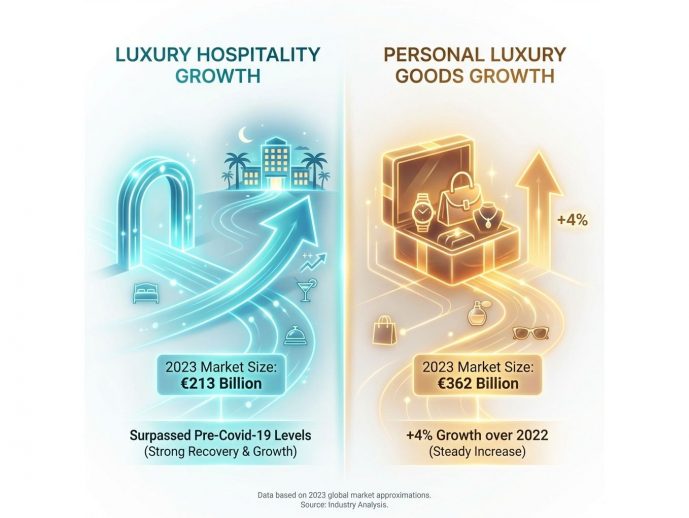
The luxury market's resilience is a testament to its adaptability and the enduring appeal of high-end experiences. In 2023, the luxury hospitality market alone rose to €213 billion, significantly surpassing pre-COVID-19 levels. This growth is a key component of the overall €1.5 trillion global luxury market, with luxury cars, luxury hospitality, and personal luxury goods together accounting for over 80% of this total.
Category 2023 Market Size (approx.) Growth over 2022 (current exchange rates) Overall Luxury Market €1.5 trillion 8-10% Personal Luxury Goods €362 billion 4% Luxury Hospitality €213 billion Surpassed pre-Covid-19 levels
This robust performance is underpinned by a burgeoning affluent population. The number of ultra-high-net-worth individuals (UHNWIs, with wealth above $30 million) grew by 4.2% to 626,619 globally in 2023 and is projected to rise by another 28% by 2028. Furthermore, the global millionaire population is expected to reach over 85 million by 2027, an increase of 26 million from today. China, in particular, is forecast to see a 112% growth in millionaires by 2027, reaching 13 million.
These demographic shifts are fueling an increased demand for luxury services and products, leading to significant investment in the sector. The global luxury hotel room count is expected to reach 1.9 million by 2030, up from 1.6 million in 2023, reflecting confidence in sustained growth.
Multigenerational Consumer Preferences
The luxury market is undergoing a significant evolution driven by multigenerational consumer preferences. While older generations remain crucial, Gen Z and millennials are rapidly becoming the dominant force. By 2030, Gen Z is projected to account for 25% to 30% of luxury market purchases, while millennials will represent 50% to 55%. Combined, these younger generations will command an impressive 85% of luxury spending.
These digital-native consumers bring distinct expectations. They prioritize sustainability, authenticity, and personalized experiences over overt displays of wealth. They are highly informed, socially conscious, and seek brands that align with their values. For example, a discerning customer seeking a Luxury diamond shopping experience today might prioritize not just the quality of the stone, but also its ethical sourcing and the brand's commitment to environmental responsibility. Brands must engage with these demographics through compelling storytelling, transparent practices, and truly unique offerings that resonate with their desire for meaningful consumption.
Investment Opportunities in the Affluent Segment
The rapid growth in the number of millionaires and UHNWIs presents unparalleled investment opportunities within the luxury hospitality sector. This wealth concentration translates into significant demand for high-end services, driving robust revenue streams for luxury hotels, which often achieve average room rates of $3,000 or more per night due to their exclusive services.
Research forecasts a 28% global population growth of HNWIs over the next five years, presenting a positive outlook for brands aiming to cater to this segment. This demographic shift fuels investment in luxury tourism infrastructure, including new hotel developments, branded residences, and specialized experiential offerings. Economic factors such as global wealth accumulation, increased disposable income among the affluent, and a desire for unique, transformative travel experiences are all contributing to the rise of luxury hospitality as a resilient and attractive investment sector. Real estate synergy, where luxury brands extend into residential offerings, further solidifies this investment landscape.
Professional Evolution in the Experiential Economy
The shift towards an experiential economy has profoundly impacted career paths and the required skill sets within luxury hospitality and retail. Traditional roles are evolving, and new positions are emerging, all centered around delivering unparalleled customer experiences. Main career paths range from entry-level guest relations coordinators, mid-level concierge supervisors, to executive positions like General Manager or CEO of a hotel group. Beyond traditional hotel roles, the convergence with retail has opened up opportunities for customer experience managers, marketing managers focused on brand storytelling, luxury developers for integrated projects, and hospitality consultants guiding brands through this new landscape.
Essential Training and Skill Acquisition
For professionals aiming to thrive in this environment, a comprehensive skill set is essential. Beyond technical proficiency, soft skills are paramount. These include:
- Emotional Intelligence: The ability to understand and manage one's own emotions, and to perceive and influence the emotions of others, is critical for anticipating guest needs and diffusing challenging situations.
- Etiquette and Poise: Flawless presentation, refined communication, and an understanding of global cultural nuances are non-negotiable.
- Cross-Cultural Intelligence: As luxury clientele is increasingly global, professionals must possess strong cross-cultural intelligence training to navigate diverse expectations and preferences respectfully and effectively.
- Anticipatory Service: The ability to predict a guest's needs before they are voiced, often through subtle cues and data analysis.
Leading luxury groups like LVMH recognize this, and their training programs are a great example of this. Their client-facing teams combine technical knowledge with perceptive interaction techniques, empowering employees to create meaningful, tailored interactions. This builds trust and comfort, fostering stronger emotional connections with their clients.
Transitioning Retail Leadership to Hospitality Mindsets
The target profile for luxury retail executives today looks vastly different than it did two decades ago. Gone are the days when product knowledge and sales metrics were sufficient. Modern luxury retail leaders must now embody an experiential approach, prioritizing customer engagement, brand storytelling, and emotional connections. This means understanding customers' lifestyles beyond the products they buy—their travel habits, culinary preferences, and digital presence.
As highlighted by KPA Insights: How Hospitality is Reshaping Luxury Retail Leadership, luxury brands are increasingly recruiting executives directly from luxury hotels and high-end service sectors. These individuals bring a native guest-centric mindset, emotional intelligence, and a deep understanding of personalized service that is invaluable in transforming retail environments. For existing retail leaders, this transition involves a significant mindset shift, focusing on creating immersive experiences, fostering genuine relationships, and leveraging data to personalize every customer journey, often through specialized training or talent shuffling within organizations.
The Strategic Convergence of Luxury Hospitality and Retail
The lines between luxury hospitality and retail are not just blurring; they are actively converging to create seamless, immersive ecosystems. Luxury retail brands are adopting hospitality mindsets to enhance customer experiences, transforming their stores from transactional spaces into experiential destinations. Flagship stores are becoming cultural hubs, offering much more than just shopping. This evolution leverages brand heritage and creates a holistic brand world.
This shift has led to luxury brands expanding into various hospitality-driven ventures, including:
- Branded Hotels and Residences: Extending the brand lifestyle into overnight stays and permanent homes.
- Restaurants and Cafés: Offering culinary experiences that reflect the brand's aesthetic and values.
- Spas and Wellness Centers: Providing services focused on well-being, often with branded products.
- Yachts and Private Clubs: Creating exclusive leisure and social environments.
- Experiential Stores: Flagships that host art exhibitions, VIP styling, and bespoke services.
- Pop-up Experiences: Temporary installations that blend retail with unique events or dining.
How Luxury Hospitality and Retail Brands Leverage Personalization
Personalization is the cornerstone of modern luxury. Both hospitality and retail brands are leveraging advanced technology and data analytics to create hyper-tailored experiences that drive guest satisfaction and loyalty. This involves:
- CRM Data Integration: Capturing every interaction, preference, and feedback point in sophisticated Customer Relationship Management (CRM) systems.
- Predictive Service: Using AI and data analytics to anticipate guest needs before they arise, from preferred room temperatures to dietary restrictions or even favorite beverages.
- Tailored Consultations: In retail, this means personal shoppers who understand a client's style, history, and upcoming events, offering highly curated selections. In hospitality, it's a concierge who knows your preferred activities and can arrange bespoke itineraries.
As McKinsey highlights, personalizing every detail of the service experience elevates customer satisfaction and builds strong brand loyalty. Research indicates that 80% of visitors are more inclined to return to establishments that provide personalized services, and 78% of travelers prefer booking with properties that offer such experiences. This data-driven approach allows brands to craft unique interactions that resonate deeply with individual guests, fostering a powerful sense of recognition and value.
Blurring the Lines: Branded Hotels and Gastronomy
The convergence is perhaps most vividly illustrated by luxury brands establishing their own hotels, restaurants, and experiential stores. These ventures are not mere extensions; they are integral to the brand's identity and customer engagement strategy.
- Louis Vuitton (LV) has masterfully woven hospitality into its retail concept. Flagship stores, like the LV Maison on Champs-Élysées, offer private salons and invitation-only client events, where Very Important Clients (VICs) are welcomed into private apartments for tailored consultations. Louis Vuitton is even planning to include hotel rooms in its new space at 103 Avenue des Champs-Élysées, alongside commercial, cultural, and exhibition spaces. This approach extends to culinary experiences, such as the café where customers can enjoy exclusive chocolates crafted by Cheval Blanc’s head pastry chef, Maxime Frédéric.
- Gucci Garden in Florence offers a multifaceted hospitality experience, including the Gucci Osteria da Massimo Bottura, a Michelin-starred restaurant. This combines fashion, art, and cuisine, immersing visitors in the brand's creative universe.
- Jaeger-LeCoultre’s Reverso 1931 Café leverages its Art Deco-inspired environment to connect with the brand’s heritage, offering guests a journey through history while emphasizing luxury and craftsmanship.
These examples demonstrate how luxury brands are creating holistic lifestyle destinations, where shopping, dining, and even staying overnight become part of a larger, cohesive brand narrative.
Success Levers: Technology, Sustainability, and Authenticity
In the hyper-competitive luxury landscape, certain factors stand out as crucial for success. Technology, sustainability, and authenticity are no longer optional add-ons but core differentiators that drive growth and foster deep customer loyalty.
The Role of Technology in Elevating Guest Satisfaction
Technology plays a transformative role in elevating luxury experiences, moving beyond mere convenience to enable truly predictive and personalized service.
- AI and Data Analytics: These tools allow brands to process vast amounts of guest data, identifying patterns and preferences to anticipate needs. AI-powered personalization can suggest tailored experiences, streamline booking processes, and even manage in-room amenities.
- Virtual Concierges and Smart Room Technology: Guests can control their environment, access services, and receive personalized recommendations through intuitive digital interfaces, enhancing convenience and customization.
- Seamless Digital-Physical Blends: Integrating digital touchpoints with physical interactions creates a cohesive and effortless customer journey, from pre-arrival preferences to post-stay engagement.
The Ritz-Carlton, for example, consistently achieves high visitor satisfaction ratings, partly due to their ability to anticipate and meet client needs, often aided by sophisticated data systems that inform their renowned personalized service philosophy.
Sustainability and Cultural Authenticity as Core Differentiators
Today's luxury consumers, particularly younger generations, are acutely aware of their environmental and social impact. This has made sustainability a significant driver of choice, with 75% of global travelers expressing a desire to travel more sustainably. Brands that demonstrate a genuine commitment to authenticity and eco-friendly practices are gaining a competitive edge.
- Eco-Friendly Practices: This includes everything from renewable energy generation (like Soneva Resorts, carbon neutral since 2012, aiming for over 50% renewable energy) and waste reduction to sustainable sourcing of materials and ingredients.
- Cultural Authenticity: Reflecting local heritage is a primary motivator for 52% of travelers. Luxury hotels like Mandarin Oriental excel at fusing opulence with local culture, showcasing culinary delights that celebrate regional flavors and integrating architectural elements that honor the destination's history. This not only enhances the guest experience but also supports local communities and preserves cultural identity. Ethical sourcing, community engagement, and transparent practices build trust and resonate with the values of discerning guests.
Future Projections for Luxury Hospitality and Retail by 2030
The convergence of luxury hospitality and retail is set to accelerate, driven by evolving consumer demands and technological advancements. By 2030, the global luxury hotel room count is projected to reach 1.9 million, reflecting continued expansion and innovation.
The Rise of Longevity and Advanced Wellness
One of the most significant trends shaping the future is the shift from general wellness to specialized longevity and advanced health. High-luxury travelers are increasingly seeking experiences that offer measurable health benefits and contribute to long-term well-being.
- Health Data Integration: Wearable technology and health data analytics will inform personalized wellness programs, from sleep optimization (e.g., Sha Wellness's sleep program) to targeted nutritional plans and biohacking treatments.
- Longevity-Focused Treatments: Spas and resorts are introducing treatments that combine cutting-edge science with luxurious experiences. For example, the Guerlain Spa at Cheval Blanc Saint-Tropez offers a Longevitskin treatment using radiofrequency, plasma, cryotherapy, and LED.
- Holistic Health Retreats: Beyond physical treatments, future luxury hospitality will emphasize mental and emotional well-being, with offerings like reading retreats, digital detox programs, and opportunities for meaningful social connection. This "restorative hedonism" blends indulgence with health-conscious choices.
Navigating Challenges and Success Levers for New Entrants
For brands looking to enter the luxury hospitality space, whether from a retail background or as new ventures, there are both significant opportunities and challenges.
Challenges:
- Operational Complexity: Hospitality operates with different rules and demands than retail, requiring round-the-clock service, intricate logistics, and highly specialized staff.
- High Investment and Long ROI: Developing luxury properties requires substantial capital and often has longer payback periods.
- Reputational Risk: A misstep in hospitality can significantly damage a luxury brand's carefully cultivated image.
Success Levers:
- Strong Brand Equity: Leveraging an existing strong luxury brand provides a significant advantage in attracting clientele.
- Strategic Partnerships: Collaborating with experienced hospitality operators can mitigate operational risks and provide essential expertise.
- Exceptional Training: Investing in comprehensive training programs is crucial. This includes not only technical skills but also soft skills, emotional intelligence, and specialized knowledge like curated sessions on luxury service etiquette for retail staff transitioning to experiential roles.
- Authenticity and Differentiation: New entrants must offer truly unique, authentic experiences that stand out in a crowded market, aligning with the values of modern luxury consumers.
Frequently Asked Questions about Luxury Hospitality and Retail
What defines the "hospitality mindset" in a retail environment?
The hospitality mindset in retail extends beyond transactional customer service to create an atmosphere of genuine care, anticipation, and personalized engagement. It involves employees actively managing their emotions (emotional labor) to maintain a positive demeanor, anticipating customer needs, offering bespoke solutions, and creating memorable, multisensory experiences that foster emotional connections and brand loyalty.
How is technology changing the luxury guest experience?
Technology, particularly AI and data analytics, is transforming the luxury guest experience by enabling hyper-personalization and predictive service. It allows brands to understand and anticipate guest preferences, offer tailored recommendations, streamline services through virtual concierges and smart room technology, and create seamless digital-physical journeys. This results in more efficient, customized, and deeply satisfying interactions.
Why are luxury fashion brands expanding into the hotel industry?
Luxury fashion brands are expanding into the hotel industry to create immersive brand ecosystems, enhance brand desirability, and offer holistic lifestyle experiences. This convergence allows them to engage customers on a deeper, emotional level, beyond product purchases. Branded hotels serve as powerful marketing tools, reinforcing brand values, extending brand heritage, and providing new revenue streams through experiential offerings like Michelin-starred dining, private salons, and curated cultural events.
Conclusion
The landscape of luxury hospitality and retail is undergoing a profound and exciting transformation. We are witnessing a dynamic convergence where the pursuit of exceptional experiences, driven by personalization, sustainability, and technological innovation, is paramount. This evolution is not merely a trend but a fundamental shift in how high-end consumers engage with brands.
The resilience of the luxury market, fueled by a growing affluent population and the evolving preferences of multigenerational consumers, underscores the strategic importance of this convergence. Brands that successfully navigate these changes, by embracing a hospitality-driven mindset, investing in comprehensive training, and leveraging technology to create authentic, personalized, and sustainable experiences, will be best positioned for sustained success. The future of luxury lies in the art of curating unforgettable moments and fostering deep emotional connections.
Comments
