Categories more
- Adventures (62)
- Arts / Collectables (14)
- Automotive (77)
- Aviation (65)
- Bath, Body, & Health (123)
- Children (6)
- Cigars / Spirits (71)
- Cuisine (66)
- Design/Architecture (22)
- Electronics (63)
- Entertainment (36)
- Event Planning (115)
- Fashion (45)
- Finance (10)
- Gifts / Misc (6)
- Home Decor (118)
- Jewelry (41)
- Pets (3)
- Philanthropy (1)
- Real Estate (16)
- Services (44)
- Sports / Golf (14)
- Vacation / Travel (85)
- Watches / Pens (33)
- Wines / Vines (34)
- Yachting / Boating (67)



The Art of Kitchen Organization: A Guide to Streamlined Living

Published
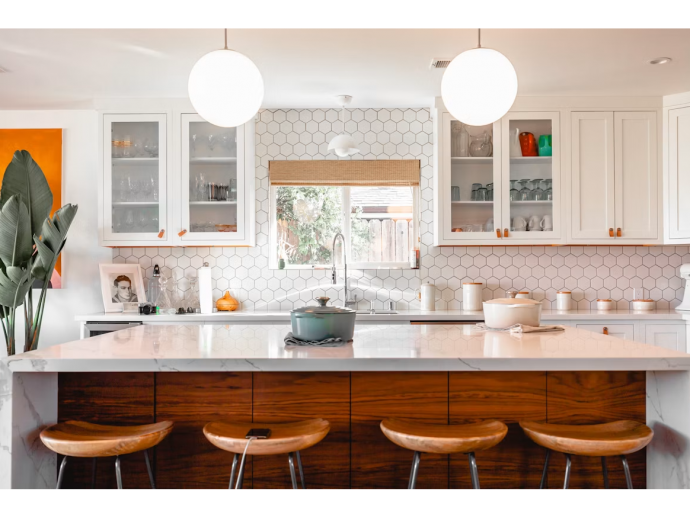
10/08/2026An organized kitchen makes everyday tasks faster, from packing lunch to putting away groceries. The best systems also reflect how you actually cook, clean and gather at home. That means keeping frequently used tools close, giving every item a clear place and leaving enough open space to work comfortably.
Instead of attempting a full transformation in one afternoon, tackle the room in practical zones. A thoughtful edit followed by well-fitted storage can turn even a compact kitchen into a calm and efficient part of your home.
Decluttering for a Calm Space
Start with one drawer, shelf or section of countertop so the project stays manageable. Remove everything, wipe down the empty area and group similar items together. Discard expired food and recycle damaged packaging, then set aside duplicate tools you rarely use. The tidying method popularized by Marie Kondo can help you assess what deserves space in your home.
Pay special attention to prime locations. Everyday plates belong within easy reach, while holiday serving dishes can move to a higher shelf. Keep countertops limited to items used almost daily, such as a coffee maker or fruit bowl. Clear surfaces provide more preparation space and make routine cleaning much quicker.
Custom Solutions for Every Item
Once you know what you're keeping, measure each cabinet's width, depth and height before buying organizers or furniture. Record door frames, hinges and plumbing that reduce usable room. If the existing layout leaves cookware without a practical home, compare cabinets cupboards in suitable sizes and consider how each piece would fit your available space.
Match storage to the item instead of filling cabinets with random baskets. Deep drawers work well for pots, adjustable dividers separate utensils and pullout trays help you reach supplies at the back. Browse these kitchen organization ideas for examples, then choose only solutions that address a specific problem. Label pantry containers with the contents and expiration date so ingredients remain easy to identify.
Maximizing Vertical Storage
Kitchen walls and cabinet interiors often hold more potential than another countertop organizer. Add shelf risers to create two levels for cups or dishes, and use stackable bins for light pantry goods. Tension rods can divide baking sheets, cutting boards and trays so you can remove one without shifting the entire stack.
Inside a cabinet door, a shallow rack can hold wraps, lids or cleaning cloths without blocking the shelves. Hooks under upper cabinets offer a practical place for lightweight mugs or small utensils. Leave enough clearance around doors and work areas so added storage doesn't create visual clutter. For more routines that complement these changes, see these daily kitchen habits for keeping the wider room orderly.
Maintaining Your Organized Kitchen
A useful kitchen system should be easy to reset in about ten minutes. Return ingredients while a meal cooks, load dishes after eating and wipe counters before leaving the room. If several household members use the kitchen, simple labels remove guesswork and make it easier for everyone to put things back.
Review one busy zone each month. A snack drawer may need different dividers as household needs change, while a pantry shelf can become crowded after a large grocery run. Move misplaced items immediately instead of creating a temporary pile. Before shopping, check the refrigerator, freezer and pantry so you don't buy duplicates. This small routine reduces waste and protects the open space you've created.
The clearest sign of successful kitchen organization is a smooth daily routine. When the pan you need is easy to reach and groceries have obvious homes, cooking feels less demanding. Keep adjusting any area that causes repeated frustration, since a useful kitchen should evolve with the people who use it.
Comments
