Categories more
- Adventures (62)
- Arts / Collectables (14)
- Automotive (77)
- Aviation (68)
- Bath, Body, & Health (127)
- Children (6)
- Cigars / Spirits (72)
- Cuisine (68)
- Design/Architecture (22)
- Electronics (66)
- Entertainment (40)
- Event Planning (116)
- Fashion (47)
- Finance (10)
- Gifts / Misc (7)
- Home Decor (118)
- Jewelry (41)
- Pets (3)
- Philanthropy (1)
- Real Estate (19)
- Services (60)
- Sports / Golf (38)
- Vacation / Travel (101)
- Watches / Pens (72)
- Wines / Vines (34)
- Yachting / Boating (76)



The Art of Preserving Legacy Through Vintage and Estate Jewelry

Published
07/15/2026The Emotional and Historical Value of Preserving Legacy
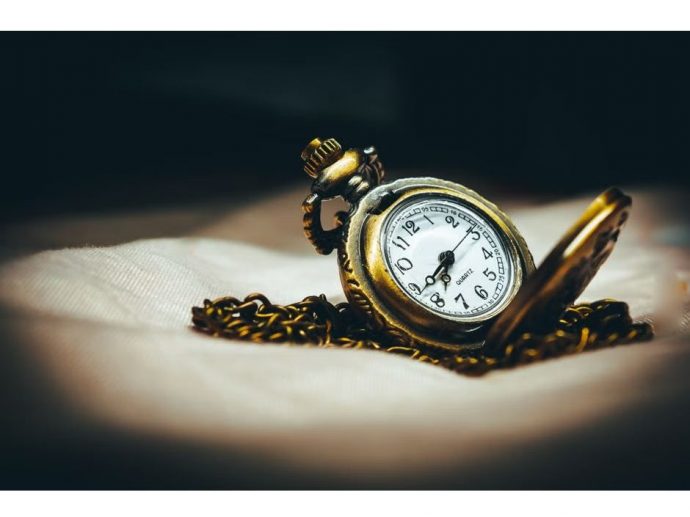
Many of us cherish watches and jewelry passed down through generations. These items are more than just accessories. They are tangible links to our family history, carrying deep sentimental value and emotional connection.
To ensure these precious heirlooms continue to tell their stories, professional care and restoration are essential. Preserving these pieces ensures their legacy endures.
This comprehensive guide will help you navigate watch repair. We will explore how to find expert "watch fixers near me" who can bring your treasured timepieces back to life.
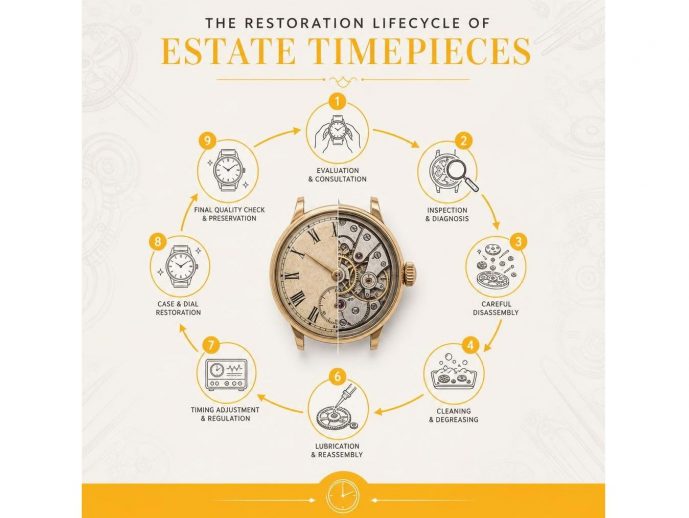
Imagine holding a beautifully restored vintage watch, sparkling alongside an estate jewelry collection. We will also walk you through the journey of restoration with our detailed infographic, explaining the full lifecycle of estate timepiece restoration. From common services to choosing the right technician, we will cover everything you need to know to preserve these invaluable pieces.
Watches and estate jewelry are far more than mere objects; they are custodians of history, encapsulating moments, achievements, and the very essence of those who wore them. A vintage timepiece, for instance, might have marked significant milestones—a graduation, a wedding, or a successful career. When we consider heirloom preservation, we are not just maintaining a mechanical device or a piece of adornment; we are safeguarding a narrative. The historical significance embedded in these items provides a unique connection to the past, offering a tangible link to our ancestors and the eras they lived through.
The emotional value derived from these pieces is immeasurable. They carry the warmth of a loved one's touch, the memory of shared experiences, and the continuity of family traditions. This makes their preservation a deeply personal endeavor. When a watchmaker undertakes antique restoration, they are not simply performing a technical task; they are engaging in a form of craftsmanship that respects and extends a legacy. This dedication to preserving history is why many families seek out specialized services for their cherished items, understanding that proper care ensures these stories can be passed down to future generations. For those seeking to uphold this tradition, finding a reliable service dedicated to family legacy watch repair is paramount. Such expertise ensures that the intricate craftsmanship of these historical pieces is preserved for years to come.
Essential Watch Repair Services for Vintage Timepieces
Vintage and estate watches, with their intricate mechanisms and delicate components, require specialized care that goes beyond simple battery replacements. A comprehensive watch repair shop will offer a range of services tailored to the unique needs of older timepieces, ensuring their longevity and accurate function.
One of the most critical services for any mechanical watch, especially vintage models, is a movement overhaul. This involves completely disassembling the watch movement, cleaning every component, inspecting for wear, lubricating parts, and reassembling it. This process revitalizes the watch's "heart," addressing issues like sluggishness or inaccuracy caused by dried lubricants or accumulated debris.
Crystal replacement is another common necessity. Over decades, watch crystals can become scratched, cracked, or discolored, obscuring the dial and compromising the watch's integrity. Technicians can replace these with new crystals, often custom-cut for vintage models, restoring clarity and protection.
For watches with faded, discolored, or damaged faces, dial refinishing can dramatically improve their appearance. This meticulous process involves carefully restoring the dial's original markings, colors, and textures, bringing back its aesthetic appeal without compromising its historical authenticity.
Gasket replacement is crucial for maintaining a watch's water resistance, especially after the case has been opened. Old, worn-out gaskets can allow moisture and dust to enter the movement, causing significant damage. Alongside this, water resistance testing is performed to ensure the watch's seals are intact and functional, providing peace of mind for daily wear.
Vintage restorations often encompass a combination of these services, along with more specialized tasks such as stem and crown repair. The stem and crown are vital for setting the time and winding the watch, and they are prone to wear and damage over time. Expert repair ensures smooth operation and proper sealing.
When original parts are no longer available, skilled watchmakers may offer custom part manufacturing. This involves fabricating bespoke components to precisely match the original specifications, a testament to true craftsmanship and dedication to preserving the watch's integrity.
It's important to understand the distinction between servicing different types of watches. While quartz watches often only require battery replacement, mechanical watches demand regular, intricate maintenance.
Here’s a comparison of common services:
Service Type Quartz Watch Mechanical Watch (Vintage/Estate) Battery Replacement Primary service, typically quick and inexpensive. Not applicable (unless it's a quartz vintage). Movement Servicing Generally limited to module replacement if faulty. Essential; full overhaul every 3-5 years for longevity. Crystal Replacement Common for scratches/cracks. Common, often requires custom-cut crystals. Gasket Replacement Important for water resistance. Crucial for water resistance after opening. Water Resistance Testing Recommended after battery change. Essential after any case opening or service. Dial Refinishing Less common, but possible. More common due to age-related wear and patina. Stem & Crown Repair Possible, often involves part replacement. Common due to wear, often requires precision work. Custom Part Manufacturing Rare. More common for rare or obsolete vintage movements. Band/Strap Replacement Very common. Very common, often with original or period-correct options. How to Choose a Reputable Technician for Preserving Legacy Timepieces
Selecting the right watch repair technician, especially for valuable vintage or estate timepieces, requires careful consideration. The longevity and accurate function of your cherished heirloom depend heavily on the expertise and integrity of the person handling it. We look for specific qualities and practices to ensure your watch receives the best possible care.
First and foremost, technician experience is paramount. A seasoned watchmaker will have encountered a wide array of watch movements, brands, and complications, particularly those found in older models. Their knowledge allows them to diagnose problems and apply the most appropriate repair techniques accurately. We recommend inquiring about their years in the trade and their specific experience with vintage or luxury watches.
Brand specialization can also be a significant factor. While many watchmakers are skilled with various brands, some specialize in particular luxury marques or historical movements. This specialization often means they have access to specific tools, parts, and technical diagrams for those brands.
The use of genuine parts is crucial to maintaining the authenticity and value of a vintage watch. Reputable repair services prioritize using original manufacturer parts whenever possible. If original parts are unavailable, particularly for very old watches, they should be transparent about using high-quality aftermarket components or custom-fabricating parts to original specifications.
A 12-month warranty on repairs is a strong indicator of a shop's confidence in its quality. This warranty should cover both parts and labor, providing you with assurance that the repair will hold up over time. We always suggest confirming the specifics of any warranty offered before committing to service.
Transparency regarding diagnostic fees and transparent pricing is also vital. A trustworthy shop will offer a free, no-obligation estimate after an initial assessment. If a diagnostic fee is charged for a more in-depth inspection (e.g., opening the case), this should be clearly communicated upfront. The final repair cost should be detailed, including the labor and any parts. Avoid shops that provide vague estimates or demand payment before a clear diagnosis is made.
Finally, always consider customer reviews. Online platforms and local testimonials can provide invaluable insights into a repair shop's reputation, customer service, and the quality of their work. Look for consistent positive feedback, particularly concerning their handling of delicate or valuable timepieces.
.
Key Credentials for Preserving Legacy Horology
When entrusting a precious timepiece to a repair service, understanding the credentials of the watchmakers involved is essential. These qualifications speak volumes about their skill, training, and dedication to the craft.
Certified watchmakers have typically undergone rigorous training programs and passed examinations from recognized horological institutions. Certifications from organizations like the American Watchmakers-Clockmakers Institute (AWCI) or equivalent international bodies signify a high level of technical proficiency and adherence to industry standards. These certifications often require ongoing education, ensuring watchmakers stay current with new technologies and repair techniques while remaining well-versed in historical methods.
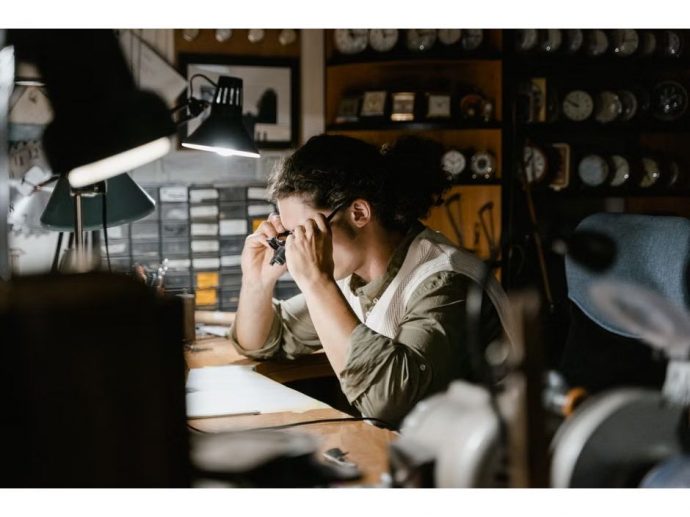
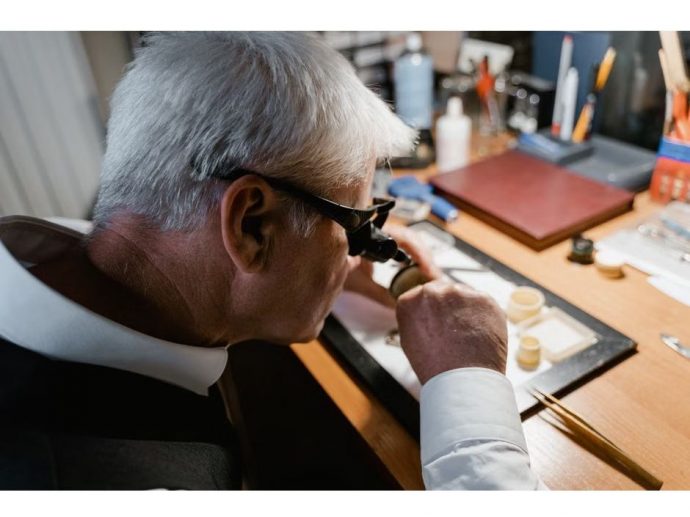
Beyond formal certification, extensive industry experience is invaluable. A watchmaker with decades of hands-on experience will have developed an intuitive understanding of various movements and common issues, enabling more efficient, effective repairs. We often find that watchmakers who have honed their skills over many years possess a unique blend of technical knowledge and artistic sensibility, crucial for delicate restoration work.
Access to specialized tools is another hallmark of a top-tier repair shop. Modern horology requires precision instruments for everything from microscopic adjustments to water resistance testing. For vintage watches, specialized tools might include custom-made jigs or historical equipment necessary to work on older movements without causing damage. A well-equipped workshop indicates a serious commitment to quality repair.
Lastly, brand authorization can be a significant advantage, particularly for contemporary luxury watches. Authorized service centers have direct access to genuine factory parts, proprietary tools, and specific training protocols from the watch manufacturers themselves. While an independent watchmaker can often service luxury brands with great skill, an authorized center provides an extra layer of assurance for certain high-end models, often preserving manufacturer warranties. For vintage pieces, however, independent experts with specialized knowledge often excel, as original manufacturers may no longer support older models.
What to Expect During the Professional Restoration Process
Understanding the typical steps involved in a professional watch restoration can help manage expectations and provide insight into the care your heirloom receives. The process is meticulous, designed to ensure both functional excellence and aesthetic integrity.
The journey begins with an initial assessment. When you bring your watch to a reputable repair shop, a watchmaker will carefully examine it to identify visible damage, assess its overall condition, and listen to any concerns you may have. This preliminary inspection helps them understand the watch's history and the specific problems it's experiencing.
Following the initial assessment, you should receive a free written estimate. This detailed document outlines the identified issues, recommended repairs, cost of parts and labor, and an estimated turnaround time. A transparent shop will explain each item on the estimate, ensuring you understand the scope of work before authorizing any repairs. If the watch needs to be opened for a more in-depth diagnosis, a small diagnostic fee might apply, but this should be communicated upfront.
For mechanical watches, the core of the restoration process is movement servicing. This involves carefully disassembling the watch movement, cleaning all components in specialized solutions (often an ultrasonic cleaning bath), inspecting each part for wear or damage, replacing worn components, lubricating the gears and pivots, and then meticulously reassembling and regulating the movement. This comprehensive service is vital for restoring accuracy and extending the watch's lifespan.
Throughout and after the repair, quality checks are performed at various stages. After reassembly, the watch's accuracy, power reserve (for mechanical watches), and functionality are rigorously tested. If water resistance is a factor, the watch will undergo pressure testing to ensure all seals are intact.
The process culminates in a final inspection. Before returning the watch to you, the watchmaker will perform a thorough visual and functional check to ensure everything meets their high standards and your expectations. This includes verifying the aesthetic condition, proper operation of all functions, and overall cleanliness.
Turnaround times can vary significantly based on the complexity of the repair, the availability of parts, and the watchmaker's current workload. Simple services like battery replacements or band adjustments might be completed while you wait or within a day. More intricate repairs, such as a full movement overhaul or custom part manufacturing for a vintage piece, can take anywhere from 1 to several weeks. Reputable shops will provide a realistic timeframe in your estimate and keep you updated on progress.
For those without a local expert, many reputable services also offer mail-in repair. This typically involves filling out an online service request form, securely packaging and shipping your watch, receiving an estimate via email, approving the work, and then having the repaired watch shipped back to you. This option provides access to specialized expertise regardless of your geographic location.
Frequently Asked Questions About Vintage Watch Repair
We understand that entrusting a cherished vintage watch for repair can raise many questions. Here, we address some of the most common inquiries to help you feel more confident about the process.
How long does a typical vintage watch restoration take?
The turnaround time
Repair complexity is the primary determinant. A watch with extensive water damage, a broken mainspring, or a heavily corroded dial will naturally require more intensive labor than one needing routine maintenance. Parts sourcing also plays a crucial role. For vintage watches, original replacement parts may be scarce or entirely unavailable, requiring the watchmaker to meticulously search for period-correct components or even custom-manufacture them, which can add considerable time to the repair.
It's important to distinguish between standard maintenance (like a routine service every 3-5 years) and a full overhaul or restoration of a non-functional watch. A standard service, even for a mechanical watch, might take 1-3 weeks. A complete restoration of a complex or severely damaged vintage piece could easily extend to 4-8 weeks or longer, especially if custom work is needed. Always discuss the estimated timeframe with your watchmaker upfront.
What are the typical costs associated with common watch repairs?
The costs of watch repairs can vary widely depending on the type of watch (quartz vs. mechanical, standard vs. luxury), the complexity of the repair, and the specific parts required.
- Battery replacement is generally the most affordable service, typically ranging from $20 to $50. This often includes a new gasket and a basic water resistance check. For premium or specialized brands, the cost might be higher, sometimes up to $75 for rechargeable batteries in Eco-Drive or Kinetic watches.
- Band adjustments (e.g., adding or removing links) usually cost between $20 and $40. A full-band replacement, depending on the material (leather, metal, or rubber), can range from $50 to several hundred dollars.
- Crystal replacement costs depend on the type of crystal (acrylic, mineral, sapphire) and whether it's flat or domed. Prices can range from $50 for a basic acrylic crystal to $200-$400 or more for custom-cut sapphire crystals for luxury or vintage watches.
- Movement overhauls are among the most expensive repairs for mechanical watches. A standard service for a mechanical watch can start from $150-$300. At the same time, a complete overhaul for a luxury or vintage timepiece can easily range from $400 to over $1,000, depending on the brand and necessary parts.
- Premium brand pricing applies to luxury watches such as Rolex, Omega, and Breitling. Repairs for these brands often incur higher costs due to specialized parts, proprietary tools, and the highly skilled labor required. A simple service for a luxury watch might start at $300- $500, while complex repairs can reach into the thousands.
Always request a free, written estimate before any work begins to understand the full cost implications.
Can local repair shops handle high-end luxury and antique brands?
Yes, many local repair shops have the expertise to handle luxury watch service and the care of vintage heirlooms. While authorized service centers exist for specific contemporary luxury brands (e.g., Seiko, Citizen, Bulova), independent watchmakers with extensive experience often specialize in a broader range of high-end and antique timepieces, including brands like Rolex, Omega, TAG Heuer, Breitling, and Cartier.
The key is to seek out shops that explicitly state their capability and experience with such brands. Look for watchmakers who have received specialized training in horology or have decades of experience working with complex mechanical movements. They should also emphasize the use of genuine factory parts whenever possible, or have the skill to custom-manufacture parts for truly antique pieces where originals are no longer available.
A reputable shop will not only service luxury brands but will also understand the unique requirements of vintage heirloom care, recognizing the sentimental and historical value of these pieces. They should be able to perform delicate tasks such as dial refinishing, case polishing that preserves original lines, and water-resistance testing for older models. Don't hesitate to ask about their specific experience with your watch's brand and era, and review customer testimonials to ensure they have a proven track record with high-value timepieces.
Conclusion
Preserving a cherished timepiece or estate jewelry is an act of love—a commitment to extending its story for future generations. These objects are more than just indicators of time or status; they are tangible connections to our past, embodying family history, significant milestones, and enduring craftsmanship. Ensuring their timepiece's longevity through regular maintenance and expert repair is crucial.
By understanding the types of services available, knowing how to identify a reputable watchmaker, and familiarizing ourselves with the restoration process, we can confidently entrust our heirlooms to skilled hands. Whether it's a simple battery replacement, a complex movement overhaul, or a delicate vintage restoration, the right "watch fixer near me" can breathe new life into these precious items.
In an age of disposability, choosing to repair and restore speaks volumes about our appreciation for quality, history, and the sentimental value that transcends monetary worth. It’s an investment not just in an object, but in the continuity of generational wealth—not merely financial, but cultural and emotional. The art of preserving these legacies allows us to honor our past while enriching the future, ensuring that the stories held within these beautiful objects continue to be told for many years to come.
Comments
