Categories more
- Adventures (62)
- Arts / Collectables (14)
- Automotive (77)
- Aviation (59)
- Bath, Body, & Health (123)
- Children (6)
- Cigars / Spirits (71)
- Cuisine (65)
- Design/Architecture (22)
- Electronics (63)
- Entertainment (23)
- Event Planning (64)
- Fashion (45)
- Finance (10)
- Gifts / Misc (6)
- Home Decor (45)
- Jewelry (41)
- Pets (3)
- Philanthropy (1)
- Real Estate (16)
- Services (23)
- Sports / Golf (14)
- Vacation / Travel (69)
- Watches / Pens (14)
- Wines / Vines (33)
- Yachting / Boating (67)


The Art of Professional Piano Tuning and Restoration

Published
08/30/2026Introduction
Imagine a piano that not only plays beautiful music but also performs on its own, a true testament to historical engineering. These are player pianos, intricate instruments that blend the acoustic beauty of a piano with complex mechanical or electronic systems. By August 2026, many of these cherished instruments, some over a century old, require specialized care to continue their unique performance.
Maintaining a player piano is a unique endeavor. It goes beyond the typical tuning and regulation of a standard acoustic piano. We need to consider not just the strings and hammers, but also the delicate pneumatic or electronic player mechanism. This dual complexity means that understanding player piano repair costs and restoration processes is essential for any owner.
In this extensive guide, we will explore the various aspects of player piano repair and restoration. We will delve into the average costs, how they compare to standard piano restoration, and the many factors that influence pricing, from the instrument's condition to its brand and the type of player mechanism. For those with a player piano, understanding the intricacies of its repair and restoration is paramount. While some might consider a DIY approach for basic maintenance, many situations demand professional piano services to ensure the instrument's longevity and optimal performance.
We will also cover typical costs for different restoration packages, electric vacuum pump installations, and the expense of high-end modern systems like Steinway Spirio. Our aim is to equip you with the knowledge needed to make informed decisions about preserving your player piano, ensuring it continues to bring joy for generations to come.
Essential Standards in Professional Piano Tuning and Maintenance
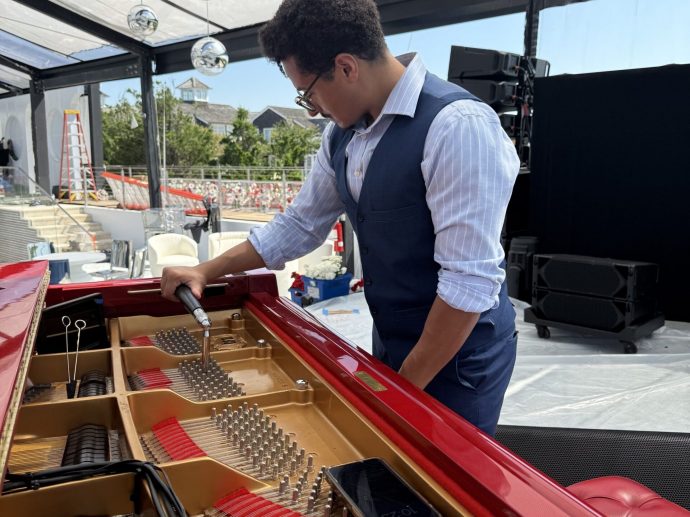
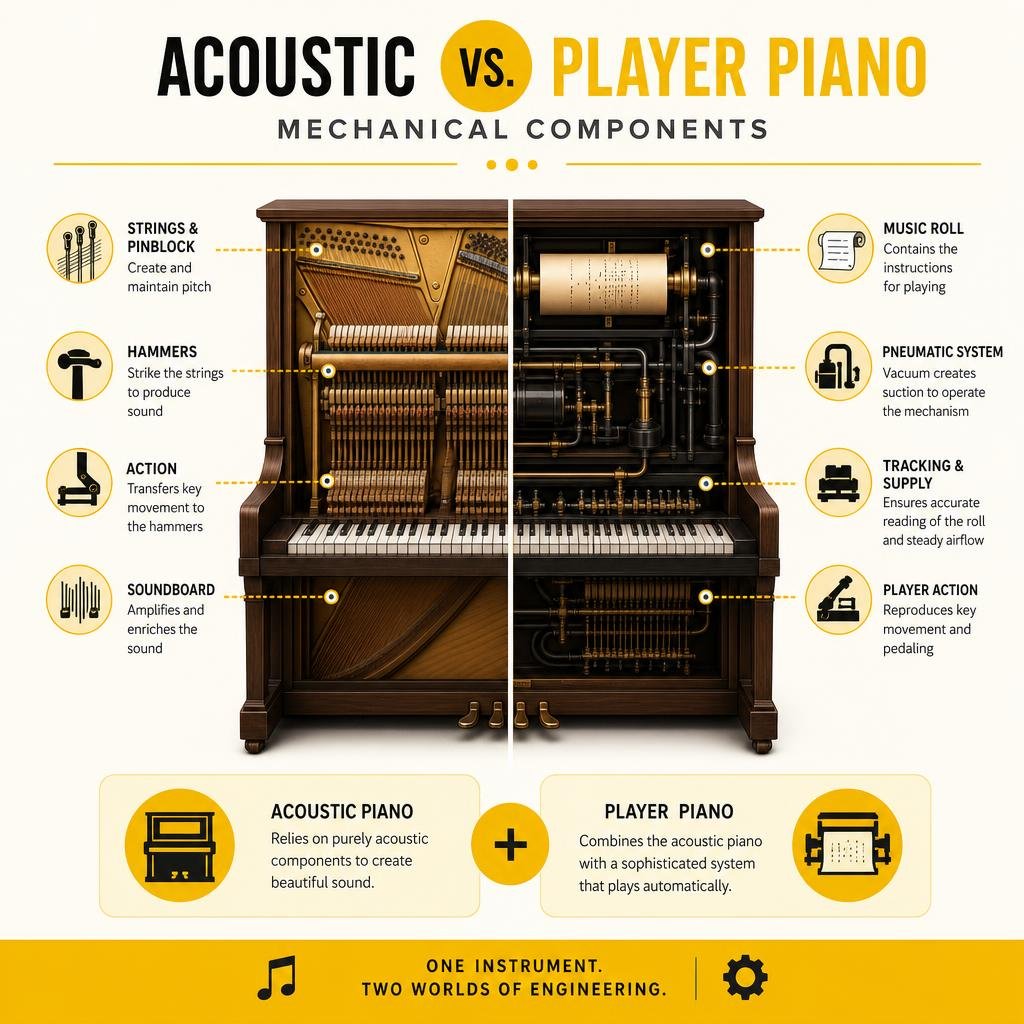
Before diving into the specific intricacies of player piano mechanisms, it's crucial to establish a baseline understanding of standard acoustic piano maintenance. Every player piano, at its core, is still an acoustic instrument. Therefore, the health of its acoustic components—the soundboard, pinblock, strings, and action—is fundamental to its overall musicality and value. Professional tuning and maintenance address the acoustic soundboard's integrity, ensuring it resonates freely and efficiently. The pinblock torque, which holds the tuning pins in place, must be stable to maintain pitch. Regular pitch adjustment is not merely about making the piano sound "in tune" but also about maintaining the correct tension on the frame and soundboard, which impacts the instrument's structural longevity.
An annual service schedule is typically recommended for acoustic pianos. This routine maintenance helps mitigate the effects of climate impact, such as humidity fluctuations that can cause wood to expand and contract, leading to tuning instability and potential damage to the soundboard or pinblock. Ignoring these acoustic fundamentals, even on a player piano, can render any player mechanism restoration efforts moot, as the underlying instrument will fail to produce quality sound.
Why Regular Professional Piano Tuning Preserves Instrument Value
Regular professional piano tuning is far more than a cosmetic adjustment; it's a critical aspect of preserving the instrument's structural integrity and musical quality. When a piano is consistently tuned to its correct pitch, it maintains optimal string tension across its entire frame. This uniform tension prevents undue stress on the soundboard and pinblock, which can otherwise lead to warping or cracking over time.
Beyond pitch, a professional technician will also assess and adjust hammer alignment. Misaligned hammers can strike multiple strings, produce muted tones, or even damage the strings themselves. Correct alignment ensures each hammer strikes its intended string(s) cleanly, contributing to tonal clarity and consistent volume. For players, this consistency is vital. Practicing on an out-of-tune or poorly regulated piano can lead to the development of bad playing habits, as the musician unconsciously compensates for the instrument's deficiencies. As one piano instructor noted, playing a broken piano is like "chewing on one side of your mouth due to a toothache"—it creates an unnatural adaptation that can be hard to unlearn. Therefore, regular tuning and regulation not only preserve the piano's intrinsic value but also support the development of proper playing technique.
Standard Piano Repair Costs and Overhauls
The cost of maintaining and repairing a standard acoustic piano can vary widely depending on the nature of the issue and the extent of the damage. For minor issues, such as a sticky key or a minor action regulation, costs might be relatively low, often falling within the $100 to $300 range when combined with a standard tuning. However, more significant repairs can quickly escalate.
Common repairs include addressing sticky or sluggish keys, which can be caused by dirt, humidity, or worn felts. Broken hammers or non-working keys often require replacement parts and intricate adjustments. Pedal repair, though seemingly minor, can involve complex linkages and springs that need expert attention. Standard piano repair costs can range anywhere between $500 to $3,500 for more involved repairs, such as addressing multiple sticking keys, replacing a few broken parts, or comprehensive action regulation. For serious repairs, such as major soundboard issues, extensive action rebuilding, or significant structural damage, the cost can exceed $3,500. A full piano restoration, which involves addressing the soundboard, pinblock, strings, and action, typically costs between $2,000 and $17,000 on average, depending on the piano type and size, damage severity, and services included. Grand pianos, due to their complexity and size, often incur higher restoration costs, ranging from $6,000 to $22,000, while uprights might range from $4,200 to $17,000.
It's important to differentiate these figures from player piano-specific restoration, which adds another layer of complexity and expense.
Service Type Standard Piano Cost (Average) Player Piano Equivalent (Restoration Package) Tuning & Minor Repairs $100 – $300 Included in maintenance, but player-specific checks add cost Standard Repairs (e.g., sticky keys, minor action) $500 – $3,500 Player mechanism repairs (valves, tubing) can be $1,000 – $15,000 Major Repairs (e.g., action rebuild, soundboard) $3,500+ Player mechanism rebuild often part of full restoration Full Piano Restoration $2,000 – $17,000 Grade 1 Player Piano Rebuilding: $25,000+ Grand Piano Restoration $6,000 – $22,000 Grand Player Piano Rebuilding: Case-by-case, significantly higher Player Mechanism Rebuild Only N/A $25,000 – $35,000+ (for comprehensive packages) Player Piano Restoration Costs and Mechanical Packages
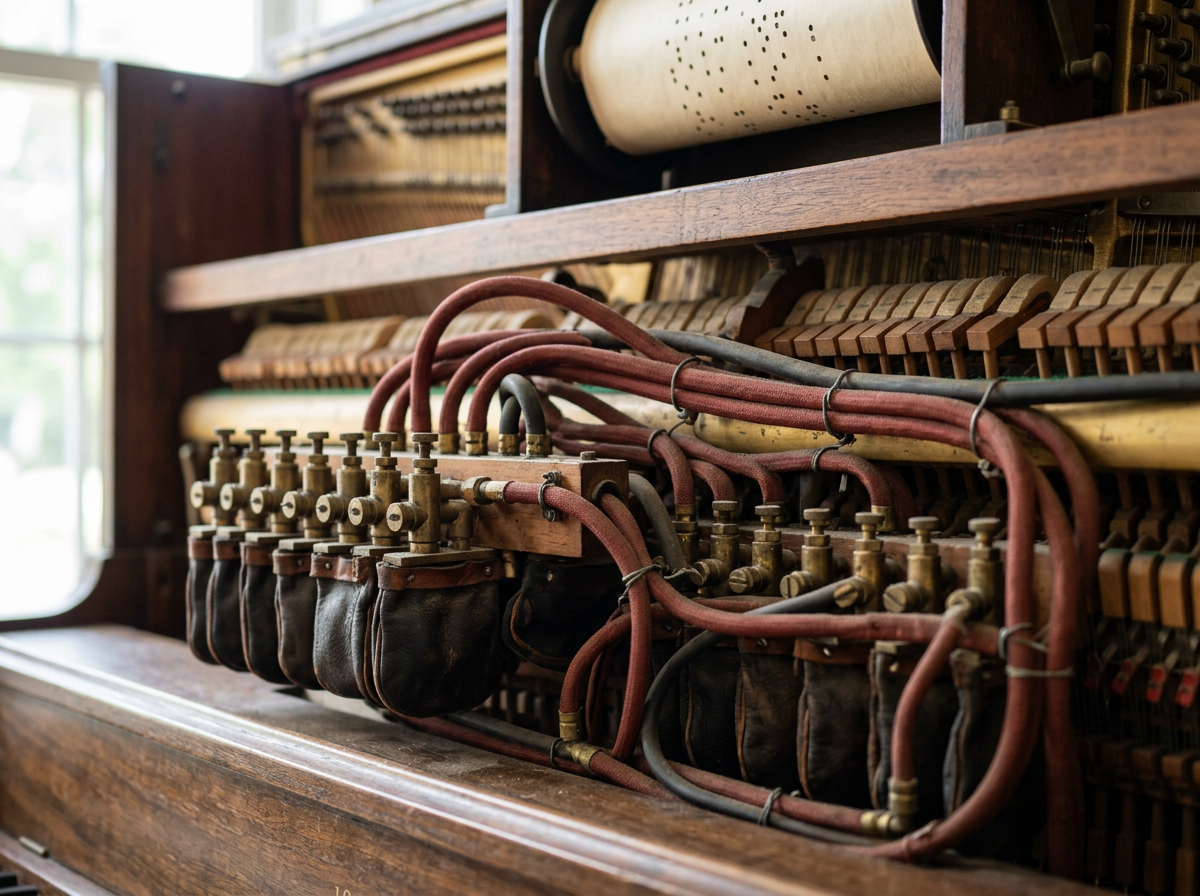
Player pianos are unique because they essentially house two distinct machines: an acoustic piano and a player mechanism. The player mechanism, whether pneumatic or electronic, is a complex system of components designed to automatically play the piano. For older pneumatic player pianos, this involves a delicate network of bellows, valve leather, tubing, and pneumatics that rely on vacuum pressure to operate. Over decades, these materials degrade, leading to vacuum leaks, sluggish operation, or complete failure.
Restoring these mechanisms is a highly specialized field. Unlike standard piano repairs, which focus on the instrument's musicality and feel, player piano restoration often involves rebuilding hundreds of intricate, interconnected components. Many restorers offer comprehensive "grade packages" that outline the scope of work for the player mechanism, ranging from basic functionality restoration to museum-quality rebuilds. Some owners also opt for modern upgrades, such as the integration of retrofit electric vacuum pumps, to enhance playability and convenience. These packages are designed to bring the player mechanism back to its original operating condition, often exceeding it in reliability due to modern materials and techniques.
Pneumatic Unit Rebuilding Packages
The heart of an antique pneumatic player piano is its pneumatic unit, a marvel of mechanical engineering. Over time, the soft materials within this system—such as bellows cloth, valve leather, and gasket seals—deteriorate. Dry rot, hardening, and wear cause critical vacuum leaks, rendering the player mechanism inoperable. A proper pneumatic unit rebuilding is not a piecemeal repair; it is a comprehensive overhaul.
Restoration specialists often categorize their services into grade tiers, reflecting the depth and quality of the rebuild. For instance, a Grade 1 Player Piano Rebuilding & Refinishing package might start at $25,000 and up. This typically involves replacing all soft working and sealing materials, including the bellows cloth, valve leathers, pouches, and tubing. The goal is to ensure that every component that holds or moves air is completely renewed. Grade 2 packages, starting at $30,000 and up, might include more extensive cosmetic work or specialized component sourcing, while Grade 3 packages, at $35,000 and up, could represent a top-tier, historically accurate restoration using premium materials and meticulous craftsmanship, often for grand or European instruments which are assessed on a case-by-case basis due to their unique construction. The philosophy behind these comprehensive packages is that any partial repair of 70-80 year old components is likely to fail within 2-5 years once full vacuum pressure is restored, as the aged materials simply cannot withstand the stress. Therefore, a complete replacement of all soft materials is considered the best practice for long-term reliability, aiming for a player piano so efficient that "a one-legged man can pump the player piano with ease!"
Modern Electronic and Solenoid Systems
While classic pneumatic player pianos rely on air pressure, modern player systems, such as Steinway Spirio, PianoDisc, or QRS PnO, utilize electronic and solenoid mechanisms. These systems integrate directly into the piano's action, using solenoids to activate the hammers and pedals, often controlled by sophisticated software. The cost structure for these high-tech systems is vastly different from pneumatic restorations.
For high-end systems like the Steinway Spirio, the total project cost can range from $97,000 to $311,000, with midrange installs typically falling between $150,000 and $180,000. This includes the cost of the base piano, the player mechanism itself (which can be $20,000 to $120,000), professional installation ($5,000 to $25,000), and delivery/setup ($1,000 to $6,000). Repairs and upgrades for these electronic systems, including internal electronics or keyboard mechanisms, typically range from $1,000 to $15,000. This might involve replacing solenoid drivers, updating software, or repairing control units. These systems also require specialized technicians familiar with both piano mechanics and complex electronics. The installation labor alone for a modern player system can require 20 to 80 hours, with an additional 4 to 16 hours for post-installation tuning and voicing to account for room acoustics. Annual maintenance plans, which cover software updates and electronic checks, can range from $500 to $4,000, reflecting the advanced technology involved.
Acoustic Action vs. Pneumatic Mechanism Repairs
Understanding player piano repair costs requires distinguishing between the two primary systems at play: the acoustic action and the pneumatic (or electronic) player mechanism. A player piano is fundamentally a dual system. The acoustic action comprises the keys, hammers, dampers, and strings—all the components that produce sound when the piano is played manually. The pneumatic mechanism, on the other hand, is the automated system that activates these acoustic components without human intervention.
Repairs to the acoustic action are similar to those on any standard piano. This could involve soundboard replacement ($1,000 to $9,000), re-felting hammers, or rebuilding the entire action ($1,000 to $8,000 depending on vertical or grand). These repairs directly impact the piano's tone, touch, and overall sound quality. In contrast, pneumatic mechanism repairs focus on restoring the automated playability. Issues here typically stem from vacuum leakage due to degraded materials, leading to notes that don't play, play weakly, or sustain indefinitely. Restoring the player mechanism will not inherently fix the sound quality if the underlying acoustic instrument is in poor condition. Both systems must be in good working order for the player piano to perform optimally, both manually and automatically.
Combining Professional Piano Tuning with Pneumatic Repairs
For a player piano to truly sing, both its acoustic and pneumatic systems must be harmonized. This means combining the precision of professional piano tuning and regulation with the specialized work of pneumatic repairs. Pitch stability is paramount for any piano, and a player piano is no exception. After any significant restoration work, especially on the frame or soundboard, the piano will require multiple tunings to stabilize its pitch.
Regulation work, which involves adjusting the thousands of moving parts in the acoustic action, ensures that the hammers strike the strings with the correct force and timing. This is critical for both manual play and for the player mechanism to function effectively. The player mechanism, with its tracker bar (which reads the perforations on the piano roll) and intricate valve seating, relies on a perfectly regulated acoustic action to translate its commands into musical notes. If the acoustic action is sluggish or out of adjustment, the player mechanism's efforts will be undermined. For instance, if a valve is not seating correctly due to worn leather, it will cause a vacuum leak, leading to a note that won't play or sustains unexpectedly. Addressing these issues often requires the specialized knowledge of technicians who offer comprehensive professional piano services, ensuring both the acoustic and pneumatic components are working in concert. This integrated approach ensures that the piano not only plays automatically but also sounds beautiful when it does.
Labor Hours, Restoration Timelines, and Lifespan
The time investment in player piano restoration is substantial and directly impacts the total cost. Labor hours form a significant portion of the expense, especially given the intricate nature of these instruments. A professional rebuilder can typically complete a comprehensive player piano restoration in approximately 350 hours. However, for a first-time amateur attempting a DIY project, the time commitment can be significantly higher, with one individual logging around 700 hours of work over several years for a 1919 Willis player piano. This difference highlights the learning curve and efficiency gained through professional experience.
The overall project duration for a full piano restoration (including player mechanisms) typically ranges from 2 to 5 months. This timeline accounts for the meticulous disassembly, cleaning, repair, reassembly, and regulation required for both the acoustic and player components. This does not include potential delays for sourcing rare parts or extensive cabinet refinishing.
A properly restored piano, including its player mechanism, can see its useful lifespan extended by an impressive 50 to 70 years. This longevity, however, is contingent on how often it's played and how well it's maintained post-restoration. While the player mechanism can be fully rebuilt, the structural limits of the original piano frame and soundboard remain. While a restoration can address many issues, severe damage like a broken metal plate or extensive water damage can render a piano "beyond repair," regardless of the player mechanism's condition.
Evaluating Restoration ROI and Hiring Technicians
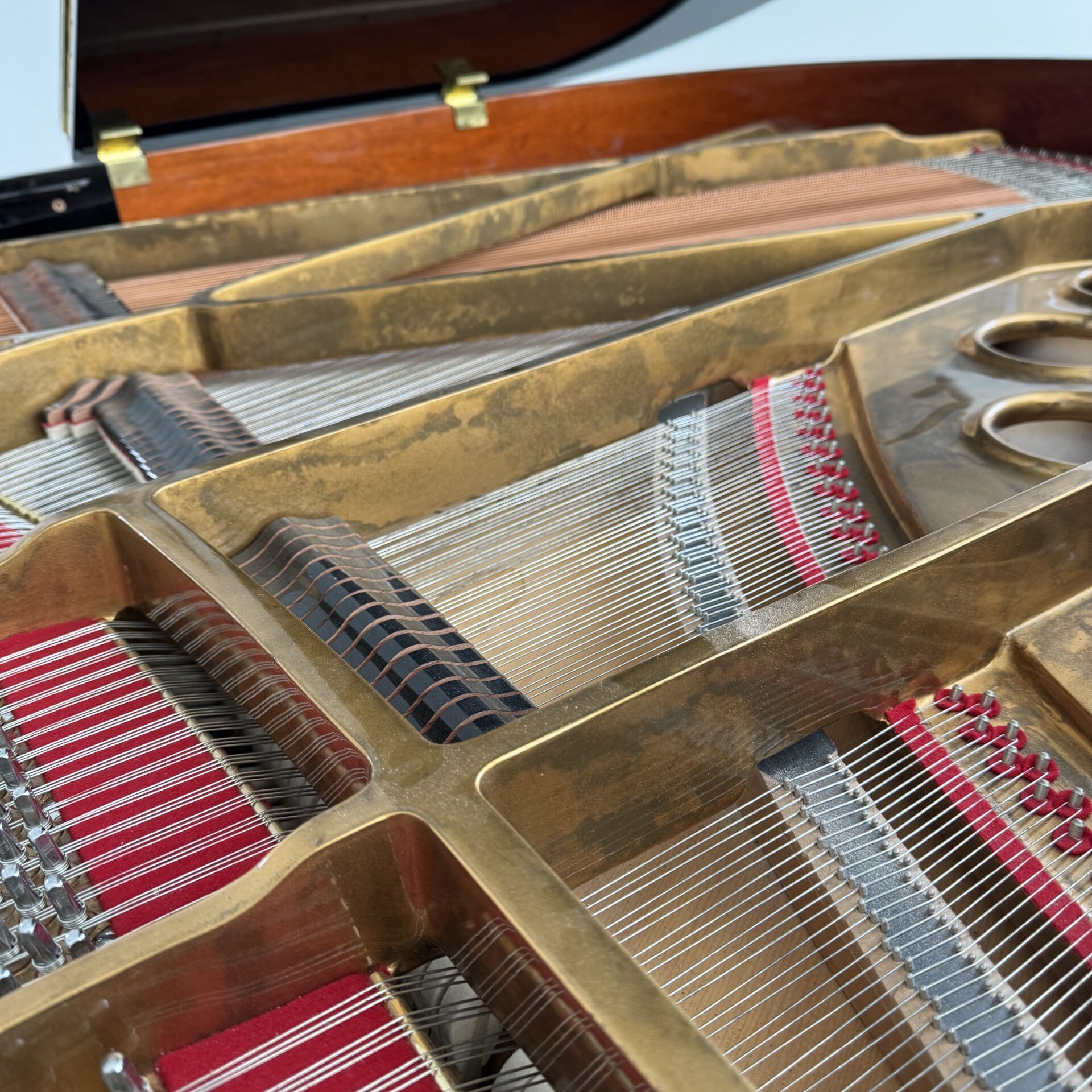
Deciding whether to restore an old player piano involves more than just calculating repair costs; it requires a careful evaluation of its return on investment (ROI) and sentimental value. For many owners, the historical provenance or family heirloom status of a player piano far outweighs its market value. However, from a purely financial perspective, restoration is generally worth the investment if the piano's post-restoration resale value or personal sentimental value exceeds the total repair bill. High-end antique grand pianos from renowned manufacturers like Steinway, Mason & Hamlin, or Bosendorfer are often excellent candidates for restoration, as their intrinsic value supports the significant investment.
When considering restoration, it's crucial to obtain detailed estimates. These should clearly differentiate between the cost of rebuilding the player mechanism and the cost of restoring the piano itself. For instance, Grade 1 player piano rebuilding and refinishing packages start at $25,000 and up, while a full acoustic piano restoration might range from $2,000 to $17,000. The combined cost can be substantial. For modern high-end player systems like Steinway Spirio, the total project can range from $97,000 to $311,000. It's essential to factor in all aspects, including cabinet refinishing, which can cost $1,500 to $10,200 depending on the piano type and finish. A restored piano may last an additional 50 to 70 years, making the investment a long-term one.
Determining Financial and Sentimental Value
The decision to restore a player piano often hinges on a delicate balance between its financial worth and its sentimental significance. From a financial perspective, we must consider the rebuilding cost against the piano's potential replacement value. A player piano's value can be influenced by its brand, age, rarity, and the quality of its original construction. For example, a vintage Steinway player piano, even unrestored, will likely hold more financial potential than a generic upright from a lesser-known manufacturer. The historical provenance—the story and origin of the instrument—can also add to its market value, particularly if it's a rare model or associated with a notable history.
However, many player pianos are cherished family heirlooms, passed down through generations. In such cases, the sentimental value often far outweighs any objective market appraisal. The joy of hearing a family piano play again, especially one that holds memories, is often priceless. When assessing financial value, consider the condition of the metal plate, which is the structural backbone of the piano. If it's cracked or severely damaged, the piano might be beyond economical repair. Cabinet refinishing is another significant cost, ranging from $1,500 to $10,200, which contributes to aesthetic appeal but not directly to playability. The "worth" of restoration is a personal decision, balancing the tangible costs with intangible benefits.
Finding and Vetting Qualified Technicians
Hiring the right specialist for player piano repair and restoration is perhaps the most critical step. Due to the dual nature and complexity of these instruments, not all piano technicians are equipped to handle player mechanisms. We recommend seeking out a Registered Piano Technician (RPT) with the Piano Technicians Guild who also has specific experience with player pianos, whether pneumatic or electronic.
When vetting potential technicians, always request a written, detailed estimate that itemizes all proposed work, parts, and labor. Be wary of estimates that seem unusually low, as this could indicate substandard craftsmanship or the use of inferior parts. It's also wise to inquire about a milestone payment plan rather than paying the full amount upfront. This protects your investment as work progresses. Always ask for references from previous player piano restoration clients and, if possible, inspect their completed work.
Here is a list of essential questions to ask a piano restoration specialist:
- Are you a Registered Piano Technician (RPT) with the Piano Technicians Guild? (This indicates a baseline level of competency and adherence to professional standards.)
- What specific experience do you have with player pianos, both acoustic and pneumatic/electronic mechanisms? (Look for specialists, not just generalists.)
- Can you provide a detailed written estimate that itemizes all costs for parts, labor, and any sub-contracted work (e.g., refinishing)? (Transparency is key.)
- What is your philosophy on player mechanism restoration (e.g., full material replacement vs. selective repairs)? (A full replacement approach is generally recommended for longevity.)
- What kind of warranty or guarantee do you offer on your work, particularly for the player mechanism? (Ensures peace of mind.)
- Can you provide references from clients for whom you've restored player pianos? (Allows you to assess their reputation.)
- What is your typical timeline for a project of this scope? (Helps manage expectations.)
- Do you offer a payment schedule or require full payment upfront? (Milestone payments are often preferred.)
- How do you handle unforeseen issues or additional repairs discovered during the restoration process? (Clarifies communication and billing for unexpected work.)
- Do you handle piano moving, or do you work with a trusted professional mover? (Ensures safe transport of the instrument.)
Frequently Asked Questions About Piano Repair
How Much Does it Cost to Restore a Player Piano vs. Standard Piano?
Restoring a player piano is significantly more expensive than restoring a standard acoustic piano due to the added complexity of its player mechanism. A full acoustic piano restoration typically costs between $2,000 and $17,000, addressing components like the soundboard, pinblock, strings, and action. In contrast, player piano restoration packages, which include a comprehensive rebuild of the pneumatic mechanism (replacing all bellows cloth, valve leathers, tubing, etc.) in addition to the acoustic restoration, typically start from $25,000 and can go upwards of $35,000 for Grade 3 packages. For grand player pianos, costs are assessed on a case-by-case basis but are generally much higher. Modern high-end player systems like Steinway Spirio, including the piano, mechanism, and installation, can range from $97,000 to $311,000. The player mechanism alone can add $20,000 to $120,000 to the cost of the piano. This substantial difference reflects the specialized skills, materials, and labor required for the intricate player components.
How Long Does a Full Piano Restoration Take?
A full piano restoration, encompassing both the acoustic instrument and its player mechanism, is a meticulous and time-consuming process. On average, a comprehensive restoration project takes anywhere from 2 to 5 months to complete. This timeline can vary depending on the piano's initial condition, the extent of the restoration required (e.g., minor repairs versus a complete rebuild), the availability of specialized parts, and the restorer's workload. For player pianos, the added complexity of rebuilding the pneumatic or electronic system contributes significantly to this duration. For instance, an amateur rebuilder might spend 700 hours on a player piano, while a professional could complete it in around 350 hours, but this still translates into many weeks or months of dedicated work. It's a process that cannot be rushed if quality and longevity are the goals.
Can an Electric Vacuum Pump be Added to a Player Piano?
Yes, an electric vacuum pump can indeed be added to an antique, foot-pumped player piano. This is a popular upgrade that allows the piano to play automatically without the need for manual foot pumping, offering greater convenience and often more consistent performance. The integration of an electric pump is typically done in a way that does not interfere with the traditional manual foot pumping mechanism, allowing the owner to switch between automated and manual operation. The cost for installing or repairing an electric vacuum pump for a player piano can vary, but it's generally included as part of a comprehensive restoration package or offered as a separate upgrade. This modification enhances the usability of vintage player pianos, making them more accessible and enjoyable for modern audiences, while still preserving their historical integrity.
Conclusion
The journey of restoring a player piano is a profound commitment, blending the preservation of historical craftsmanship with the pursuit of musical excellence. By August 2026, many of these unique instruments represent a tangible link to the past, and their restoration ensures their legacy continues. We've explored the intricate layers of player piano repair costs, from the foundational acoustic maintenance to the specialized rebuilding of pneumatic mechanisms and the integration of modern electronic systems.
Understanding that a player piano is essentially two machines in one—an acoustic instrument and an automated player—is key to appreciating the scope and cost of its upkeep. Regular maintenance of the acoustic components, including tuning and regulation, is paramount for sound quality and instrument longevity. Simultaneously, the player mechanism, whether pneumatic or electronic, demands specialized attention, with comprehensive rebuilding often being the most cost-effective long-term solution.
The decision to restore is a personal one, weighing financial investment against sentimental value and historical significance. However, by seeking out qualified technicians, understanding the scope of work, and embracing a philosophy of complete restoration for critical components, owners can ensure their player pianos continue to deliver joy for generations. Investing in professional care not only preserves the mechanical accuracy and acoustic performance of these magnificent instruments but also safeguards a unique piece of musical history.
Comments
