Categories more
- Adventures (199)
- Arts / Collectibles (315)
- Automotive (219)
- Aviation (279)
- Bath, Body & Health (513)
- Children (116)
- Cigars / Spirits (271)
- Cuisine (723)
- Design / Architecture (1118)
- Electronics (222)
- Entertainment (162)
- Event Planning (295)
- Fashion (550)
- Finance (195)
- Gifts / Misc (141)
- Home Decor (558)
- Jewelry (396)
- Pets (91)
- Philanthropy (124)
- Real Estate (386)
- Services (221)
- Sports / Golf (213)
- Vacation / Travel (1036)
- Watches / Pens (223)
- Wines / Vines (861)
- Yachting / Boating (7012)



The Enduring Appeal of Flagstone for Outdoor Spaces

Published
06/29/2026Key Takeaways
- Flagstone grants a natural, organic aesthetic compatible with many design styles.
- Its exceptional resilience promises decades of service, even in challenging climates.
- The material's adaptability enables endless design possibilities, from patios to garden features.
Table of Contents
- Natural Aesthetic and Design Versatility
- Durability and Longevity
- Versatility in Applications
- Installation Considerations
- Maintenance and Care
- Cost Considerations
- Conclusion
Flagstone has long been a preferred material for outdoor spaces, distinguished by its remarkable blend of natural charm, resilience, and versatility. Whether revitalizing a backyard patio, designing a winding garden path, or updating a pool deck, flagstone provides a distinctive look that adds timeless value. Homeowners searching for both beauty and longevity in their landscapes often gravitate toward this reliable option. Many projects today even use concrete stamp flagstone for an authentic look at an accessible price point, achieving the rustic appearance without sacrificing durability.
More than merely functional, flagstone weaves an organic elegance into any setting. Each stone's unique pattern and naturally worn edge create an outdoor environment that feels rooted in the landscape itself. This individuality allows for creative expression in both small and large spaces, making flagstone as adaptable as it is attractive.
Natural Aesthetic and Design Versatility
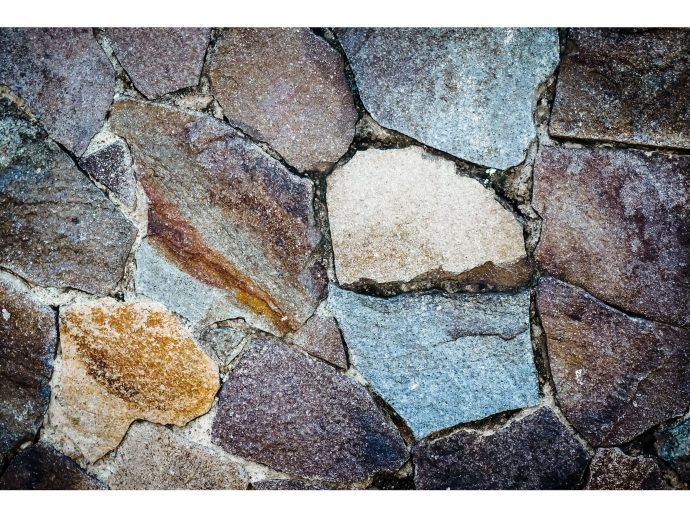
The hallmark of flagstone is its natural aesthetic. Irregular shapes and an earthy palette can range from subtle grays and muted browns to vibrant reds, allowing each installation to reflect the individuality of the stones chosen. Because flagstone is quarried rather than manufactured, every piece is one of a kind, fostering a truly bespoke surface that integrates effortlessly with everything from lush, English-style gardens to crisp, modern patios.
This creative flexibility encourages homeowners and designers to play with patterns and layouts. Some opt for the classic random layout for a more rugged, organic appearance, while others choose geometric or mosaic styles to introduce a sense of order or artistry. These versatile arrangements ensure flagstone can enhance both traditional and contemporary landscapes with ease.
Flagstone's impact goes beyond aesthetics. Its textural variety, combined with the option of different installation methods, means it can adapt to nearly any vision or need.
Durability and Longevity
Durability is a cornerstone of flagstone’s reputation. The stone's dense composition makes it inherently resistant to wear, weathering, and the cycles of freezing and thawing that can crack lesser materials. This robustness allows flagstone to maintain both its beauty and structural integrity through seasons of rain, blazing sun, and winter cold.
When properly installed with a well-prepared base, flagstone walkways and patios can last for generations with little more than routine upkeep. Homeowners benefit from peace of mind and reduced repair expenses, knowing their investment is designed to endure the test of time and climate.
Versatility in Applications
Flagstone’s uses are nearly limitless for outdoor environments. While it’s most often associated with patios and walkways, this material also shines as a surface for pool decks, garden borders, outdoor steps, and retaining walls. Some homeowners incorporate flagstone into vertical installations, like seating walls and fire pit surrounds, capitalizing on the material's ability to create visual cohesion throughout the landscape. Flagstone’s naturally textured, slip-resistant surface makes it an ideal choice for areas near water features or where footing safety is a priority.
The range of flagstone colors and finishes lets it complement other outdoor materials like brick, wood, or concrete, ensuring compatibility with new projects or existing designs. Whether you seek a rural-cottage feel or a streamlined modern look, flagstone can serve as a unifying element across the property.
Installation Considerations
Proper installation is vital to achieving both beauty and longevity from flagstone. Site preparation is key: a stable subbase (often gravel or crushed stone beneath the flagstone) helps prevent shifting and settling. Joint options include either dry-laid installations (stones set on sand or gravel, without mortar) or mortar-set methods, which may be preferable for heavily trafficked areas or those exposed to freeze-thaw cycles.
The choice between these approaches depends on the specific project, budget, and desired look. Dry-laid flagstone offers a more organic appearance and easier repairs, while mortar-set installations create a smooth, permanent surface. Consulting with a landscaping professional is highly recommended to tailor the process to your location, climate, and expectations.
Maintenance and Care
Ongoing care for flagstone is refreshingly minimal. Regular sweeping or blowing away debris will keep the surface looking tidy. Occasional rinsing with water removes accumulated dirt or leaf stains without damaging the stone. In high-traffic areas, cleaning with a gentle stone-safe cleaner may be needed.
Weeds may emerge between joints, especially in dry-laid applications; prompt removal helps maintain a neat appearance. While sealing is optional, applying a penetrating stone sealer can enhance flagstone color and provide additional protection from stains, though over-sealing should be avoided to allow the stone to “breathe.”
Cost Considerations
The initial investment in flagstone can be higher than that of other paving materials, especially for premium varieties or customized layouts. Labor costs are also higher, reflecting the craftsmanship required to fit stones carefully together and achieve lasting stability. Nonetheless, the cost is offset by the material’s durability and very low maintenance needs, ultimately resulting in a wise long-term investment for your property.
In addition, flagstone surfaces increase curb appeal and may contribute to higher resale values, making them not just a functional upgrade but a financial advantage for homeowners planning to stay in their property or sell in the future.
Conclusion
Flagstone remains a timeless choice for anyone seeking to upgrade their outdoor living areas. Its organic beauty, renowned resilience, and flexible applications make it suitable for countless landscapes and preferences. With thoughtful installation and minimal care, flagstone promises an outdoor space where you can relax, entertain, and enjoy nature for many years to come.
Comments
