Categories more
- Adventures (62)
- Arts / Collectables (14)
- Automotive (77)
- Aviation (65)
- Bath, Body, & Health (123)
- Children (6)
- Cigars / Spirits (71)
- Cuisine (66)
- Design/Architecture (22)
- Electronics (63)
- Entertainment (36)
- Event Planning (115)
- Fashion (45)
- Finance (10)
- Gifts / Misc (6)
- Home Decor (118)
- Jewelry (41)
- Pets (3)
- Philanthropy (1)
- Real Estate (16)
- Services (44)
- Sports / Golf (14)
- Vacation / Travel (85)
- Watches / Pens (33)
- Wines / Vines (34)
- Yachting / Boating (67)


The Essential Guide to Safe and Effective Pressure Washing

Published
05/26/2026Key Takeaways
- Regular pressure washing maintains property aesthetics and prevents damage.
- Using appropriate pressure settings and techniques is crucial to avoid surface harm.
- Safety measures and environmental considerations are essential during pressure washing.
Understanding Pressure Washing
Pressure washing has become an integral part of property maintenance, offering a reliable solution for removing tough dirt, grime, mold, and mildew from surfaces. By forcing water at high pressure through specialized nozzles, pressure washers effectively clean driveways, decks, siding, and other property features, restoring their original appearance. Whether for a private home or a commercial space, pressure washing ensures that surfaces not only look their best but also last longer by preventing harmful buildup.
This powerful cleaning method saves time compared to hand scrubbing and, when performed correctly, maintains the visual appeal of both residential and business properties. For property owners looking to improve curb appeal or prepare surfaces for painting or refinishing, pressure washing provides a fast, efficient answer. To fully understand proper practices and risks, learn more about professional pressure washing services and solutions. Regularly scheduled pressure washing does more than enhance a property's appearance. It also removes contaminants that can otherwise lead to costly repairs, especially in humid or rainy climates where mold and mildew are persistent problems. By integrating pressure washing into ongoing maintenance routines, property owners can avoid their investments from degrading over time. Proper use of techniques and equipment is key to minimizing the risk of accidental surface damage or personal injury. In addition to beautification, pressure washing promotes a safer environment by eliminating slippery algae on walkways and decks. Since every surface and scenario is unique, owners must adapt their cleaning method to fit the needs of each project, whether dealing with delicate wood panels or sturdy concrete driveways.
Benefits of Regular Pressure Washing
Consistent cleaning creates a noticeable boost in curb appeal and demonstrates pride of ownership. Visitors and prospective buyers form impressions of a property’s appearance, making cleanliness crucial to maintaining market value. Pressure washing also prevents buildup that can break down surfaces over time. Mold, mildew, algae, and pollutants are not just unsightly; left unchecked, they cause gradual damage that leads to premature replacement of siding, paint, or decking materials.
- Enhanced Curb Appeal: Clean and vibrant exteriors make homes and businesses more inviting and can have a significant positive effect on resale value.
- Preventative Maintenance: Regular cleaning helps the progression of mold and mildew, which can otherwise cause wood rot, staining, and concrete deterioration.
- Health and Safety: Removing slippery grime from walking surfaces reduces the likelihood of slips and falls, particularly in shaded or damp areas.
Proper care and attention ensure long-lasting results.
Common Pressure Washing Mistakes to Avoid
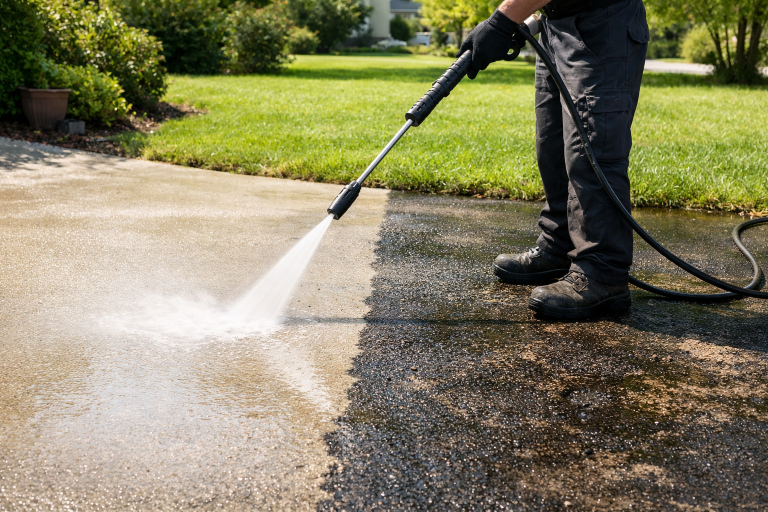
Achieving a spotless, damage-free result depends on avoiding frequent errors that can compromise surfaces or cause accidents. Mistakes such as applying excessive force, using the wrong nozzle, or failing to wear protective gear can result in injury or costly repairs.
- Applying Excessive Pressure: Surfaces like wood, brick, and even concrete can be etched or gouged by settings that are too high. It is best to start with lower pressure and gradually increase only as needed.
- Incorrect Nozzle Selection: Each nozzle is designed for a specific use. For instance, narrow, high-impact nozzles may clean quickly but can damage softer siding. Wider nozzles are safer for delicate work.
- Neglecting Safety Gear: Protective eyewear, gloves, and closed-toe shoes can prevent accidents caused by flying debris or accidental spray contact.
Recommended Pressure Settings for Various Surfaces
Optimal results come from calibrating the washer to each surface’s needs. Using appropriate pressure settings preserves the surfaces while removing grime.
- Wooden Decks: 500–1,500 PSI is typically sufficient for a deep clean that will not strip or score wood.
- Concrete Driveways: 2,500–3,000 PSI provides enough force to lift embedded dirt and stains from tough stonework.
- Vinyl Siding: 1,200–1,500 PSI is recommended to avoid denting or bending siding panels.
Test a discreet section before continuing, as material textures and ages can vary. More details and step-by-step advice on safe pressure washing techniques are available from Bob Vila.
Environmental Considerations
The high volume of water and chemical cleaning solutions sometimes used with pressure washing can impact the local environment. By making smart, environmentally friendly choices, property owners can protect landscaping, nearby water sources, and larger ecosystems.
- Biodegradable and eco-friendly detergents reduce harm to plants and waterways.
- Direct wastewater away from storm drains to keep pollutants out of streams and rivers.
- Follow all local ordinances regarding water use, runoff, and cleaning chemicals.
When to Hire Professionals
While many homeowners choose to rent equipment for smaller upkeep jobs, certain situations clearly call for professional knowledge and gear. Tall, expansive, or fragile surfaces may be at risk when handled by those without specialized training. Commercial-grade equipment in the hands of experienced professionals can clean faster and more safely than DIY options.
- Large or Multi-Story Buildings: Professionals have access to the tools and safety protocols needed for complex or dangerous projects.
- Delicate Surfaces: Surfaces such as old brick, stucco, or historic woodwork require a gentle touch and custom settings to preserve details.
- Stubborn Stains: Experts can tackle set-in oil or rust stains with specialty treatments that won’t erode the underlying surface.
Conclusion
Pressure washing delivers impressive results for property owners seeking to maintain or restore their buildings and exterior features. By understanding the advantages, optimal methods, potential pitfalls, and environmental implications, you can incorporate pressure washing into a safe and effective property maintenance routine. When in doubt or faced with sensitive projects, professional help ensures the best possible outcome.
Comments
