Categories more
- Adventures (62)
- Arts / Collectables (14)
- Automotive (77)
- Aviation (65)
- Bath, Body, & Health (123)
- Children (6)
- Cigars / Spirits (71)
- Cuisine (66)
- Design/Architecture (22)
- Electronics (63)
- Entertainment (36)
- Event Planning (115)
- Fashion (45)
- Finance (10)
- Gifts / Misc (6)
- Home Decor (118)
- Jewelry (41)
- Pets (3)
- Philanthropy (1)
- Real Estate (16)
- Services (44)
- Sports / Golf (14)
- Vacation / Travel (85)
- Watches / Pens (33)
- Wines / Vines (34)
- Yachting / Boating (67)


The Essential Tech Foundation for Your Office Remodel

Published
05/11/2026If you’re thinking about renovating your home office in 2026, then you’ll want to be sure that the environment supports your ability to be productive. That tends to mean a space that offers all of the comfort of a home, while still putting you in a work-based mindset whenever you step into it. This tends to mean starting from the right technological foundation – but, as we’ll see, there’s more to a great office space than computer hardware and cables.
The Design Ethos: “Resimercial” & Biophilic
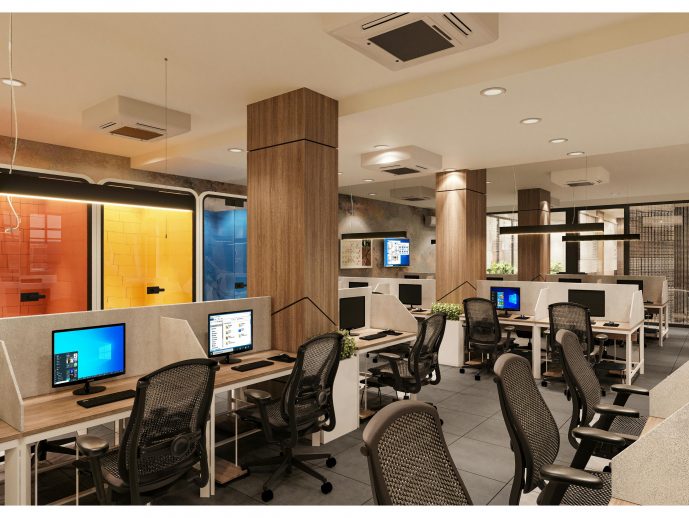
The term ‘resimercial’ is given to design that straddles residential and commercial principles. Offices based in the home might end up looking a little bit like dedicated commercial premises, while those based in commercial premises might end up looking a little bit like your living room. Installing the right natural elements, like bamboo ornaments and houseplants, might help you to stay present and mentally sharp – while circadian lighting, which automatically mimics the daily rhythm of light, can be great for darker spaces.
Furniture: Adaptive & Ergonomic
Your office’s setup will need to adapt to the various kinds of work that are being done within it. Modular lounge systems that can be swiftly bolted together as the occasion demands will help you to conduct meetings, even in spaces that aren’t specifically designed for them. Being able to switch between isolated, deep work and collaborative open-plan spaces might also be worthwhile. Look at desks that can move from standing to sitting position, and those that come with wireless charging, mice, and keyboards.
The Tech Revamp: Seamless Connectivity
Ideally, the technology you employ in the office should be concealed. A rat’s nest of stray cables can be a burden on concentration, especially if it’s conspicuous. Look at a VPN to act as a secure tunnel between your office and any remote workers you might be employing, and think about proxies to act as middlemen between your machine and the wider internet. What is a VPN vs proxy? There are plenty of online guides that make clear the distinction.
Acoustic Landscapes: Quiet Zones & Pods
Noise pollution can be a serious impediment to concentration, and to office productivity. Fortunately, this is a problem that can be minimized through sensible design choices. Acoustically isolated zones, which incorporate felt ceiling panels, glass partitions, and high-backed seating can be great when everyone needs to hop onto different video calls at the same time.
Furnishings: Material Honesty
Lowering the carbon footprint of your space, and making it as sustainable as possible, needn’t mean compromising on aesthetics. Cork flooring and recycled textiles can be great to look at. Natural-looking hues, like terracotta and sage green, can be great for your walls and furniture.
Comments
