Categories more
- Adventures (62)
- Arts / Collectables (14)
- Automotive (77)
- Aviation (65)
- Bath, Body, & Health (123)
- Children (6)
- Cigars / Spirits (71)
- Cuisine (66)
- Design/Architecture (22)
- Electronics (63)
- Entertainment (36)
- Event Planning (115)
- Fashion (45)
- Finance (10)
- Gifts / Misc (6)
- Home Decor (118)
- Jewelry (41)
- Pets (3)
- Philanthropy (1)
- Real Estate (16)
- Services (44)
- Sports / Golf (14)
- Vacation / Travel (85)
- Watches / Pens (33)
- Wines / Vines (34)
- Yachting / Boating (67)


The Evolution of BBQ Culture: From Traditional Grilling to Luxury Outdoor Living

Published
10/07/2026Barbeque is more than just a cooking method. It reflects local cultures and rich traditions, which culminated in each locale’s unique barbecue style. Grilling traditions remain strong, even to this modern day.
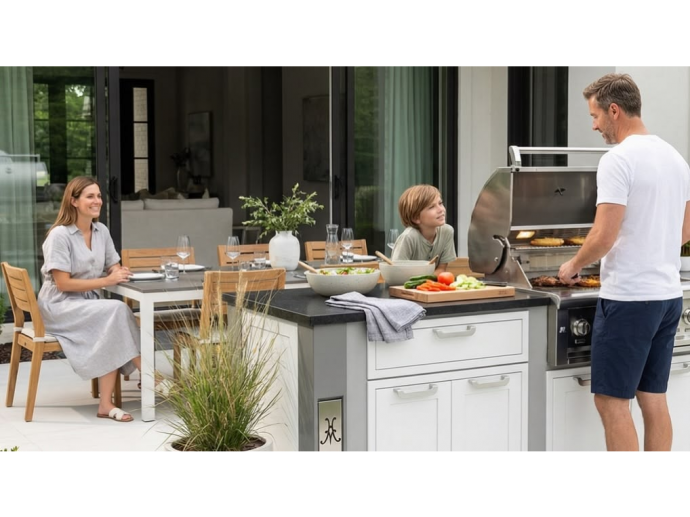
While there are still traditional grilling practices today, there are also improved and luxury outdoor living options present – this includes outdoor kitchens, premium equipment, and an improved outdoor entertaining space!
These modern grilling luxuries aren’t replacing tradition. Rather, it is enhancing them.
Australia
Australia’s outdoor grilling has deep roots in Indigenous cooking. Aboriginal grilling consists of open-fire roasting, mud ovens, or roasting pits. This outback style of cooking has passed on to the modern day as outdoor public bbq Newcastle and the rest of Australia can be proud of.
These public BBQ spaces let people cook in parks or on beaches, making barbecue a central and accessible activity for Australians. They’ve also taken this further by adopting grilling techniques from international cultures, including smoking, marinades, rubs, and slow cooking. Gas barbecues have also become increasingly common.
In Australian households, modern grills and accessories have become a sign of luxury. It’s not just a simple grill either. Most outdoor kitchens include a built-in BBQ area with prep benches, storage, sinks, a dining area, refrigeration, lighting, and even comfortable entertaining spaces.
South Korea
Arguably, one of the most popular forms of barbecue is K-BBQ. Traditionally, it centres on grilling meat as part of a communal meal, serving marinated cuts like bulgogi and galbi, which are often prepared by grilling or griddling. Alongside the meat, diners enjoy various side dishes, including marinated vegetables, cooked fishcakes, and more.
The key tradition for K-BBQ remains the same: it is an interactive dining experience where guests can participate in the cooking rather than immediately receiving a finished meal. However, modern restaurants have introduced a sophisticated ventilation system, built-in cooking systems, temperature control, and multi-purpose tables. As such, the experience becomes more convenient and enjoyable.
High-end Korean BBQ restaurants now follow the same communal tradition while adding premium ingredients, carefully designed grills, professional service, and refined presentation. Koreans experience luxury in K-BBQ by improving the overall dining environment.
Brazil
Traditionally, Brazilian churrasco centres on fire, skewers, meat, and, like in South Korea, communal eating. The meat is usually seasoned simply to retain the beef's flavour and keep the fire prominent. Doing BBQ is closely associated with gatherings, celebrations, and long meals, rather than just a quick individual portion.
Nowadays, Brazilian barbecue has evolved into a highly organised dining experience where grilled meats can now be brought directly to diners, with an extensive selection of salads and side dishes to choose from. Modern grilling equipment also provides greater consistency and control than an open fire. What remains of their traditions is the use of skewers, generous portions, and, of course, communal dining as the central purpose of a churrasco.
Japan
Japanese grilling focuses on smaller portions than in Australia, Brazil, and Argentina. In Japan, they use small pieces of chicken that are cooked on skewers over charcoal – that is called yakitori. Yakiniku involves bite-sized pieces of meat and vegetables that are grilled at a table. Traditional Japanese grilling techniques place great importance on controlling the heat so the natural flavour of high-quality ingredients can come out.
What remains the same from traditional to modern times is that it suits individual experiences, not large crowds. Nowadays, they also use gas and electric grills, which makes indoor grilling easier to manage and more consistent. Luxury for Japanese grilling involves selecting high-quality ingredients, which they have done since before modern times.
Argentina
Argentina’s asado is deeply rooted in the country’s rural and gaucho traditions, where they cook meat over wood or charcoal. The parrilla, the metal grill, is central to this tradition because it lets different cuts cook gradually over the fire. A key feature in Argentina’s barbecue is the use of large cuts and a slower approach to cooking rather than quickly grilling individual pieces.
Furthermore, the asador, or the person who cooks the meat and manages the fire, is only one person. So, unlike in South Korea, where diners can cook their own food, in Argentina only one designated cook manages the barbecue process, and the others wait for the food to be served.
Today, luxury versions of asado don’t have to be cooked over open fires; instead, they're cooked on premium stone with expensive preparation areas. Ventilation is also improved, and materials are much more durable.
Final Words
As you can see, each country has its own unique way of doing BBQ, and while some are alike, the flavour profiles will be different and won’t disappoint. But the strongest cultural feature here is that it brings people together around the food and fire. Traditional ways are also adapted and improved over time.
Comments
