Categories more
- Adventures (62)
- Arts / Collectables (14)
- Automotive (77)
- Aviation (65)
- Bath, Body, & Health (123)
- Children (6)
- Cigars / Spirits (71)
- Cuisine (66)
- Design/Architecture (22)
- Electronics (63)
- Entertainment (36)
- Event Planning (115)
- Fashion (45)
- Finance (10)
- Gifts / Misc (6)
- Home Decor (118)
- Jewelry (41)
- Pets (3)
- Philanthropy (1)
- Real Estate (16)
- Services (44)
- Sports / Golf (14)
- Vacation / Travel (85)
- Watches / Pens (33)
- Wines / Vines (34)
- Yachting / Boating (67)



The Evolution of Packaging in Modern Beauty and Skincare

Published
05/11/2026Luxury beauty has evolved far beyond formulas alone. While product performance remains essential, modern consumers increasingly evaluate beauty brands through the entire experience surrounding the product, and packaging now sits at the center of that experience.
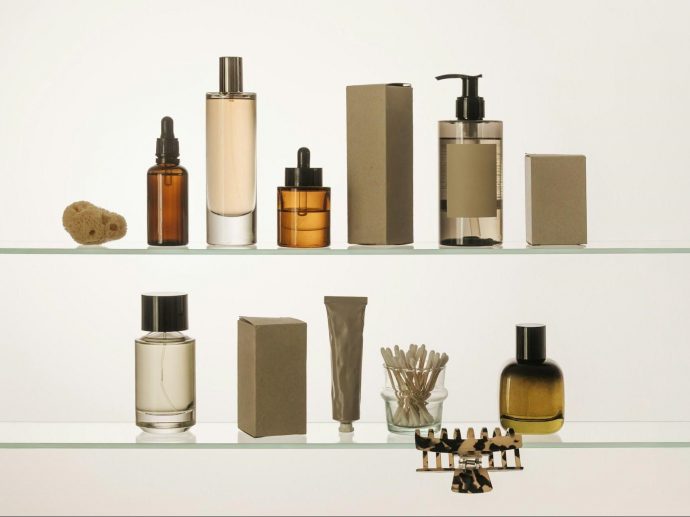
From skincare serum to explore cooling eye mask and fragrances to prestige cosmetics and wellness products, packaging has become a defining part of how luxury is communicated. Texture, weight, color, closure mechanisms, material finishes, and structural design all contribute to how consumers perceive quality before they ever test the product itself.
In today’s premium beauty market, packaging is no longer viewed as secondary branding. It functions as a direct extension of the product experience and, in many cases, shapes first impressions long before the contents are used.
Luxury Beauty Is Becoming More Experience-Driven
Consumer expectations within luxury beauty have changed significantly over the past decade. Buyers are no longer simply purchasing skincare or cosmetics for functionality alone. They are investing in rituals, aesthetics, sensory experiences, and emotional connection.
This shift has pushed beauty brands to think more carefully about how every detail contributes to overall perception. Packaging now influences how products feel in the hand, how they appear in photographs, how they fit into interior spaces, and how memorable they become in highly visual digital environments.
Social media has amplified this transformation. Packaging is constantly photographed, filmed, shared, and reviewed online, turning design into an important marketing asset beyond traditional advertising. As a result, luxury beauty packaging must now satisfy both physical and digital expectations simultaneously.
Why Packaging Has Become Central to Brand Identity
In premium beauty, packaging often serves as one of the strongest expressions of brand identity. Minimalist matte finishes may communicate sophistication and modernity. Heavy glass containers can create a sense of durability and prestige. Metallic detailing may suggest innovation or exclusivity, while softer organic textures often align with wellness-focused branding.
Consumers interpret these visual and tactile cues instantly, often subconsciously. This is one reason beauty brands increasingly invest in packaging partners capable of translating brand positioning into physical form through materials, structure, dispensing systems, and overall presentation. Companies developing modern beauty packaging solutions now focus not only on functionality, but also on sustainability, emotional engagement, refillable formats, and packaging experiences that strengthen long-term brand recognition.
Rather than serving purely as protective containers, packaging systems are becoming strategic tools for storytelling and customer experience design.
The Luxury Consumer Pays Attention to Details
Luxury consumers tend to notice details that mass-market buyers may overlook. The resistance of a magnetic closure, the smoothness of a pump mechanism, the balance of a bottle in the hand, or the precision of printed finishes can all influence perceptions of quality.
Even subtle inconsistencies may affect how premium a product feels. Because of this, luxury beauty brands often invest heavily in packaging engineering, material sourcing, and manufacturing precision. Packaging must not only look visually refined but also function consistently across repeated use.
This expectation has become even more important as consumers increasingly associate product quality with overall brand reliability. In many cases, the packaging experience shapes customer loyalty as much as the formula itself.
One of the biggest shifts in modern beauty packaging involves sustainability. Luxury consumers increasingly expect brands to demonstrate environmental responsibility without compromising aesthetics or product experience. This has created new challenges for packaging designers and manufacturers attempting to balance visual sophistication with sustainable material choices.
Refillable systems, recyclable materials, reduced plastic usage, lightweight components, and reusable packaging formats are becoming more common throughout prestige beauty categories.
Importantly, sustainability is no longer viewed as separate from luxury. Many consumers now associate thoughtful environmental design with higher-quality brand values and more modern product development practices. As a result, packaging innovation increasingly involves finding ways to create elegant experiences while reducing environmental impact.
Packaging Innovation and Sustainability in the Beauty Industry
Global sustainability initiatives continue to influence how beauty and cosmetics brands approach packaging design, material sourcing, and long-term environmental responsibility.
The Ellen MacArthur Foundation has frequently emphasized the importance of moving toward more circular packaging systems that reduce waste while improving material reuse and recyclability across consumer industries. Within the beauty sector, this has accelerated conversations around refillable packaging, recyclable components, reduced virgin plastic use, and more efficient packaging formats.
The foundation also highlights how consumers are becoming increasingly attentive to the environmental impact of packaging, particularly in industries where presentation and material use play a major role in brand perception.
As luxury beauty brands continue balancing aesthetics with sustainability goals, packaging innovation is increasingly focused on creating products that feel premium while supporting more responsible production and consumption practices.
The Influence of the Unboxing Experience
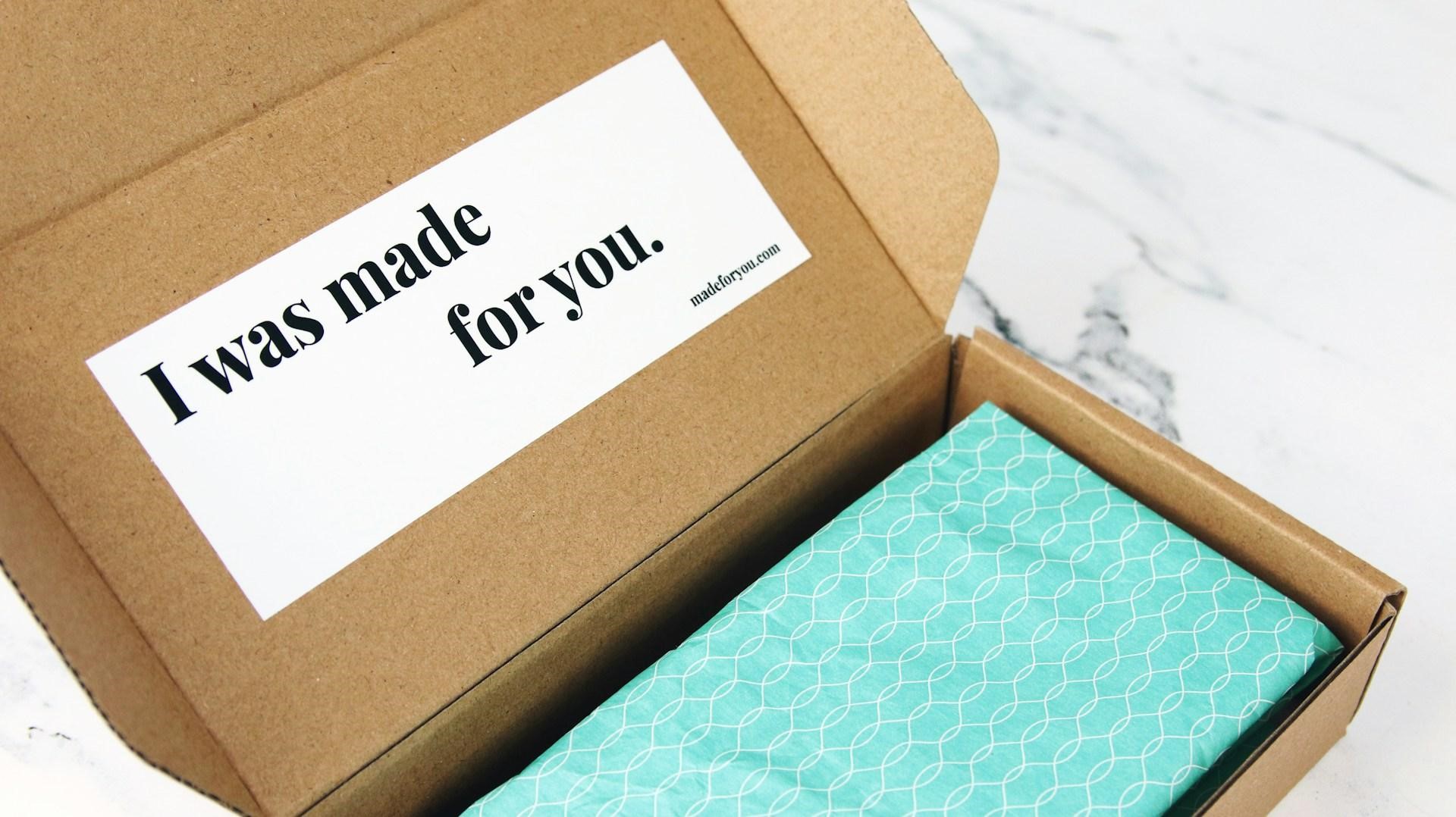
The rise of e-commerce has dramatically changed how beauty products are introduced to consumers. In physical retail environments, luxury brands once relied heavily on store displays, lighting, and in-person experiences. Today, many first interactions happen through direct-to-consumer shipping.
This has elevated the importance of the unboxing experience. Packaging now needs to create anticipation, visual cohesion, and emotional impact from the moment a customer opens a shipment. Layered presentation, protective inserts, branded wrapping, and tactile materials all contribute to that experience.
For luxury consumers, these details reinforce perceptions of exclusivity and attention to craftsmanship. At the same time, social platforms have turned unboxing into a form of marketing content itself. A visually compelling package may generate additional exposure online through user-generated content, influencer videos, and product photography.
Material Innovation Is Expanding Rapidly
Advances in material technology are also reshaping beauty packaging design. Brands are exploring alternatives to traditional plastics, incorporating recycled materials, biodegradable components, refillable cartridges, lightweight metals, and glass systems designed to reduce waste without sacrificing durability.
At the same time, packaging developers are improving compatibility between materials and increasingly sophisticated cosmetic formulations. Certain skincare ingredients require specialized barrier protection, UV resistance, or airtight dispensing systems to maintain product stability.
This means packaging design now intersects closely with product chemistry, engineering, and long-term usability. The result is a more technically advanced packaging landscape where aesthetics and performance must operate together seamlessly.
Packaging Now Shapes Long-Term Consumer Memory
Luxury branding depends heavily on memorability, and packaging often becomes one of the most recognizable parts of the customer experience. Certain beauty products become instantly identifiable through silhouette alone. Others build recognition through textures, finishes, or distinctive opening mechanisms.
Over time, these visual and physical cues become deeply connected to how consumers remember brands. This is particularly important in highly competitive beauty categories where many products may offer similar functional benefits. Packaging helps differentiate products emotionally, visually, and experientially in ways that formulas alone often cannot. As competition within prestige beauty continues growing, this role will likely become even more important.
The Future of Luxury Beauty Packaging
The future of luxury beauty packaging will likely combine several priorities simultaneously: sustainability, personalization, functionality, digital integration, and sensory refinement.
Consumers increasingly expect packaging to look elegant, function intuitively, align with environmental values, and create memorable experiences both online and offline. At the same time, brands must navigate rising production costs, evolving sustainability regulations, and rapidly changing consumer expectations.
This creates growing demand for packaging systems that are not only visually compelling, but also operationally efficient and adaptable to future market shifts. In many ways, luxury beauty packaging has evolved into its own form of product innovation. It is no longer simply what surrounds the product. For modern consumers, it has become part of the product itself.
Comments
