Categories more
- Adventures (62)
- Arts / Collectables (14)
- Automotive (77)
- Aviation (68)
- Bath, Body, & Health (127)
- Children (6)
- Cigars / Spirits (72)
- Cuisine (68)
- Design/Architecture (22)
- Electronics (66)
- Entertainment (40)
- Event Planning (116)
- Fashion (47)
- Finance (10)
- Gifts / Misc (7)
- Home Decor (118)
- Jewelry (41)
- Pets (3)
- Philanthropy (1)
- Real Estate (19)
- Services (60)
- Sports / Golf (38)
- Vacation / Travel (101)
- Watches / Pens (72)
- Wines / Vines (34)
- Yachting / Boating (76)


The Finishing Move: Why Shoes and Handbags Shape a Refined Wardrobe

Published
08/26/2026A well-dressed wardrobe does not need to be enormous. In fact, some of the most convincing outfits are built from clothes that are remarkably simple: a black dress, tailored trousers, a clean white shirt, good denim or a coat with the right proportions. What makes those pieces feel considered is often what comes last.
Shoes and handbags have an unusual amount of influence over an outfit because they sit at opposite ends of the silhouette. One grounds the look; the other draws the eye through it. Change either piece and familiar clothes can suddenly feel sharper, softer, more relaxed or ready for evening. For anyone interested in building a wardrobe that feels polished without constantly buying new clothing, accessories are a sensible place to start.
Luxury is often found in restraint
There is a version of luxury that depends on obvious logos and recognisable statements, but refined dressing does not have to work that way. A clean shoe shape, a beautifully proportioned bag and materials that look appropriate for the occasion can have just as much impact.
The difference is often restraint. When the cut of a coat is already strong, the accessories do not need to compete with it. When the clothing is deliberately minimal, shoes or a handbag can take on more personality without making the whole outfit feel busy.
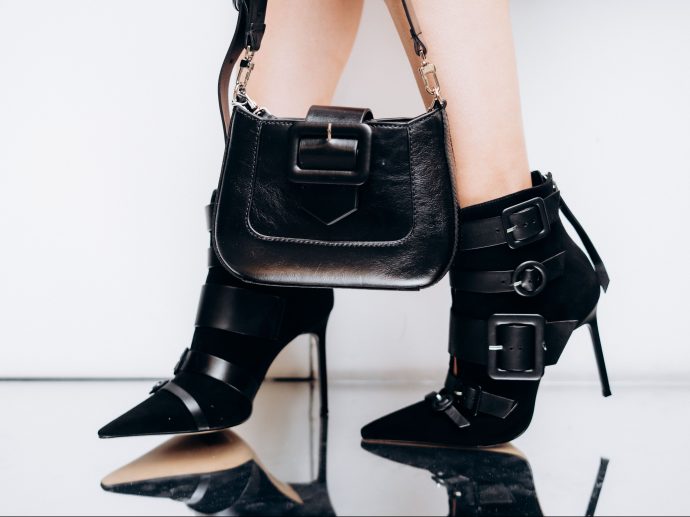
This is where browsing different footwear silhouettes from ROSATINA can become less about finding a shoe for one specific outfit and more about thinking through the overall mood of a wardrobe. A pointed heel, ankle boot, tall boot or softer everyday style will each change the same clothing in a different way.
The most useful choice is rarely the piece that demands an entirely new wardrobe around it. It is the one that makes the clothes already hanging in the closet feel better.
Shoes set the tone before anything else does
People often think about footwear at the end of getting dressed, but shoes can determine the direction of an outfit from the beginning.
Take a pair of tailored black trousers and a simple knit. With sleek heels, the combination moves naturally toward dinner or an evening event. With ankle boots, it becomes practical for colder weather. A more relaxed shoe brings it back toward daytime.
The clothes hardly change, yet the impression does.
This is also why proportions matter so much. A wide-leg trouser needs a shoe that works beneath its hem. A midi dress creates a completely different line depending on whether the footwear is delicate or substantial. A short skirt with tall boots can feel balanced when the upper half of the outfit remains restrained.
Rather than asking whether a particular shoe is fashionable, it is often more useful to ask what it does to the silhouette.
The handbag controls how polished the outfit feels
A handbag has a similar effect, but it works closer to the centre of the body, which makes its size and shape especially noticeable.
A structured bag brings order to softer clothing. It can make a knit dress, loose shirt or relaxed denim look more deliberate. A softer shoulder bag can do the opposite, taking some of the formality out of tailoring or a sharply cut coat.
Size matters as well. Large bags naturally feel more connected to daytime, travel and work, while compact bags tend to bring more focus to an evening look. That does not mean one category is more sophisticated than another. A bag feels refined when its proportions make sense for the clothing and the setting.
Looking through collections from DOKIBAGS is therefore most useful when the question is not simply “Which bag looks best?” but “Which shape would add something my wardrobe does not already have?” That small change in thinking tends to lead to accessories that get worn more often.
Matching perfectly is rarely necessary
There is no requirement for shoes and handbags to be identical in colour, material or hardware. In many cases, trying to match everything exactly can make an outfit feel more rigid than intended.
A black handbag can sit comfortably beside burgundy shoes. A cream bag can lighten an outfit built around dark boots. Brown footwear can work with a black bag when the clothing creates a clear connection between the two. Metallic details can also help different accessories feel related without requiring an exact match.
What matters is that the pieces seem to belong to the same conversation.
One practical way to achieve that is through visual weight. A delicate shoe often looks natural with a smaller, cleaner bag, while heavier boots can support something with a little more structure. Texture offers another connection: smooth leather-like finishes, suede effects, woven surfaces and polished hardware can repeat or contrast with one another in subtle ways.
The result usually feels more personal than buying a perfectly coordinated set.
A limited palette creates more possibilities
Neutral accessories are often described as safe, but that undersells what they can do. Black, brown, cream, tan, grey and deep burgundy create a foundation that makes repeating pieces easier without making every outfit look identical.
A black shoe and cream handbag, for example, can be worn across several combinations of denim, tailoring and dresses. Brown accessories bring warmth to white, navy, camel and blue denim. Burgundy can behave almost like a neutral while adding more depth than black.
Once a wardrobe has a dependable base, colour becomes easier to use deliberately. A bright handbag can wake up a monochrome outfit, while coloured shoes can provide the only strong accent a simple dress needs.
The point is not to remove colour in the name of sophistication. It is to give each colour enough space to matter.
Day-to-evening dressing depends on the accessories
One of the clearest signs that accessories are working hard is when they allow the same clothes to move through different parts of the day.
A simple dress worn with practical shoes and a larger shoulder bag can make sense for daytime. Changing to heels and a compact handbag immediately gives it a different purpose. Tailored trousers and a blouse can make the same transition without the need for a completely new outfit.
This is particularly useful while travelling, where suitcase space quickly exposes which pieces are genuinely versatile. A shoe that works with several outfits and a bag that can move from lunch to dinner earn their place far more easily than accessories built around one very specific look.
Versatility does not mean every piece needs to work everywhere. A wardrobe can still contain dramatic heels, statement boots or an evening bag reserved for special occasions. The difference is knowing why each piece is there.
Quality is easier to appreciate when design is simple
Simple accessories leave fewer places for poor decisions to hide. When a shoe has a clean silhouette, the proportion of the toe, heel and upper becomes more obvious. On a minimally decorated handbag, stitching, handles, hardware and the way the bag holds its shape attract more attention.
That is one reason understated accessories can feel particularly luxurious when they are well chosen. The eye is not distracted by excessive detail. Shape and finish have to do the work.
It is also worth remembering that quality should include usability. A handbag with an awkward opening can become irritating regardless of how elegant it looks. Shoes that are unsuitable for the amount of walking involved in an occasion will spend more time in the wardrobe than on the foot.
True refinement is difficult to separate from ease. Clothing and accessories look better when the person wearing them is not constantly adjusting, carrying or worrying about them.
The best accessories become part of a personal uniform
Most people eventually discover that they repeat certain combinations. Perhaps it is a structured handbag with tailored trousers, tall boots with long coats, a small shoulder bag with dresses, or understated heels whenever an outfit needs to feel slightly more formal.
Those repetitions are not a failure of creativity. They are often the beginning of personal style.
Once a few shoe shapes and bag proportions reliably work, getting dressed becomes faster and new purchases become easier to judge. Instead of asking whether an accessory is attractive on its own, the question becomes whether it belongs in the wardrobe that already exists.
That is a much higher standard, and usually a more useful one.
A refined wardrobe is not built by adding endless accessories. It develops when the right pieces keep finding their way into different outfits, different seasons and different parts of life. Shoes and handbags may be called finishing touches, but in practice, they often do far more than finish the look. They give it direction.
Comments
