Categories more
- Adventures (62)
- Arts / Collectables (14)
- Automotive (77)
- Aviation (65)
- Bath, Body, & Health (123)
- Children (6)
- Cigars / Spirits (71)
- Cuisine (66)
- Design/Architecture (22)
- Electronics (63)
- Entertainment (36)
- Event Planning (115)
- Fashion (45)
- Finance (10)
- Gifts / Misc (6)
- Home Decor (118)
- Jewelry (41)
- Pets (3)
- Philanthropy (1)
- Real Estate (16)
- Services (44)
- Sports / Golf (14)
- Vacation / Travel (85)
- Watches / Pens (33)
- Wines / Vines (34)
- Yachting / Boating (67)


The Future of Digital Receipt Management

Published
03/24/2026Table of Contents
- Why Digital Receipts Are Replacing Paper Receipts
- Health and Environmental Benefits of Digital Receipts
- Global Trends in Digital Receipt Adoption
- Market Growth and Economic Impact
- Challenges in Digital Receipt Implementation
- Best Practices for Digital Receipt Management
- Future Outlook of Digital Receipt Management
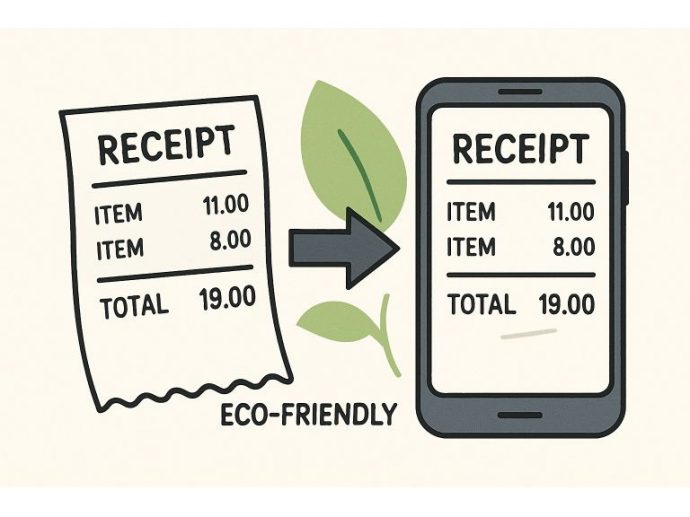
With digital transformation influencing every aspect of business and consumer life, transaction records are experiencing their own revolution. The shift from paper-based to electronic receipts is gaining momentum, delivering more efficient, secure, and eco-friendly solutions. Businesses and consumers alike are now looking for innovative ways to streamline how they manage proof of purchase, and receipt software is quickly becoming an integral part of this evolution. Whether for tracking personal expenses or simplifying returns and warranties, the future of receipts is unfolding online.
The increasing popularity of digital receipts is about more than just convenience. It is driving greater transparency, automating expense management, and offering retailers new touchpoints for customer engagement. As this technology gains traction, it is important to explore why businesses are abandoning paper, the health and environmental impact, and how countries around the globe are adopting these solutions.
For many, embracing digital receipts signals an active step toward sustainability and operational efficiency. Businesses are increasingly motivated to reduce their carbon footprint, cut costs, and comply with changing regulatory landscapes. The digital receipt market is on the rise, and the benefits go far beyond the checkout counter.
Regulators, experts, and environmental advocates have all raised alarms about the harmful chemicals in thermal paper and the mounting waste generated by billions of receipts printed each year. Digital receipt management is poised to address these challenges, shifting the recordkeeping norm. According to the Environmental Protection Agency, paper accounts for approximately 26% of total landfill waste, underscoring the urgency of eco-conscious alternatives.
Why Digital Receipts Are Replacing Paper Receipts
Paper receipts have long been associated with several problems, such as fading ink, loss, and inefficient storage. Additionally, they often become a source of frustration for consumers when they are needed for returns, reimbursements, or warranties but cannot be found. Digital receipts solve these issues by offering an accessible, durable alternative. Consumers receive instant proof of purchase via email, SMS, or apps, making expense tracking and organization effortless.
For businesses, the benefits are just as compelling. Digital receipt management reduces printing and paper costs and minimizes clutter at the point of sale. It also empowers retailers with valuable customer data for targeted marketing and improved customer service. This kind of digital transformation in retail mirrors broader industry changes, where automation and personalization are central to growth.
Health and Environmental Benefits of Digital Receipts
Many stores still use thermal paper coated with Bisphenol A (BPA) or Bisphenol S (BPS). These chemicals can be absorbed through the skin and have been linked to hormone disruptions and other health problems. Digital receipts eliminate direct contact with these harmful substances, promoting a healthier shopping experience for both workers and consumers.
On the environmental front, the reduction in paper usage is significant. Less deforestation, lower emissions from production, and reduced landfill waste are all direct results of going digital. As companies grow increasingly aware of their environmental responsibilities, the shift away from disposable paper is quickly becoming central to sustainability efforts.
Global Trends in Digital Receipt Adoption
Several countries have recognized the significance of digital receipt adoption and have taken meaningful steps to accelerate it. France instituted a ban on the automatic printing of paper receipts in 2023, encouraging a digital-first approach to receipts. Italy is taking this policy a step further by requiring all merchants to offer digital receipts by 2027, with a total phase-out of paper receipts scheduled for 2029. These progressive policies reflect broader European and international trends toward eco-friendlier business regulations and consumer habits.
Beyond Europe, retailers in North America and Asia-Pacific are also moving toward digital receipts, prompted by consumer demand for convenience and transparency. The global adoption of electronic proof of purchase signals a future in which paper receipts could become the exception rather than the rule.
Market Growth and Economic Impact
The digital receipts market is experiencing rapid expansion, projected to reach $7.86 billion by 2034, up from $2.14 billion in 2025. This remarkable compound annual growth rate (CAGR) of 16.33% is being fueled by a widespread increase in electronic payments, a growing emphasis on sustainability, and the proliferation of mobile-first technologies. Businesses that invest early in digital solutions are well-positioned to achieve cost savings, improved compliance, and stronger customer engagement.
Challenges in Digital Receipt Implementation
Although the advantages are clear, the road to universal digital receipt adoption has its own hurdles. Upgrading payment systems, ensuring secure digital storage, and complying with privacy regulations are complex and sometimes costly tasks for businesses. Consumers may have concerns about providing their email or phone numbers, requiring businesses to balance convenience with privacy and data security. Addressing these challenges requires robust technical infrastructure and a clear, transparent privacy policy to maintain trust.
Best Practices for Digital Receipt Management
- Secure receipt storage and encryption are essential to safeguard customer data from breaches or unauthorized access.
- Offering flexible delivery methods (email, app notifications, SMS) gives consumers control and boosts adoption rates.
- Integrating receipts into loyalty or rewards programs can enhance engagement, creating new opportunities for outreach and feedback.
- Providing clear instructions for accessing receipts ensures a seamless customer experience and minimizes support queries.
Future Outlook of Digital Receipt Management
The evolution of digital receipt management holds much promise. With receipts integrated into personal finance apps, customers gain powerful budgeting and expense-tracking tools. Businesses can also leverage advanced analytics to improve inventory planning and personalize marketing. As user interfaces improve and consumers become more comfortable with electronic recordkeeping, the adoption curve will only accelerate. In a digital economy where efficiency, security, and sustainability are increasingly nonnegotiable, digital receipts represent the next logical step for commerce and daily life.
Comments
