Categories more
- Adventures (200)
- Arts / Collectibles (316)
- Automotive (219)
- Aviation (283)
- Bath, Body & Health (514)
- Children (116)
- Cigars / Spirits (271)
- Cuisine (730)
- Design / Architecture (1126)
- Electronics (222)
- Entertainment (160)
- Event Planning (300)
- Fashion (550)
- Finance (197)
- Gifts / Misc (141)
- Home Decor (559)
- Jewelry (395)
- Pets (91)
- Philanthropy (124)
- Real Estate (386)
- Services (227)
- Sports / Golf (219)
- Vacation / Travel (1059)
- Watches / Pens (223)
- Wines / Vines (868)
- Yachting / Boating (3272)


The Guide to Designing a Contemplative Home Sanctuary

Published
10/19/2026A contemplative home sanctuary gives you a dedicated place to slow down, reflect and reconnect with what matters most. It may fill an entire room or occupy a quiet corner, yet its success depends on deliberate choices instead of square footage. Light, acoustics, materials and personal objects all shape how the space feels. Start by deciding how you’ll use it, from morning prayer to evening meditation, then design around that purpose.
Prioritize Natural Light and Silence
Choose a spot that receives gentle daylight without intense glare. A north-facing window often provides consistent illumination, while sheer linen curtains can soften direct afternoon sun. Mirrors placed across from a window spread light through darker rooms, but keep their reflections simple so they don’t create visual distraction.
Acoustic comfort deserves equal attention. Guidance on high-end home serenity often emphasizes the value of reducing both noise and clutter. Use a thick rug, upholstered chair and full-length curtains to absorb echoes. If traffic or household sounds remain noticeable, a small tabletop fountain or low-volume ambient sound can provide a steady backdrop. Keep phones and televisions outside the sanctuary whenever possible.
Select Materials with Cultural Resonance
Natural materials bring depth to a contemplative room because their grain, texture and imperfections reward close attention. Consider an oak stool, handwoven wool rug, limestone tray or linen cushion. Repeating two or three materials creates continuity without making the space feel overly coordinated.
When choosing objects connected to faith or heritage, look carefully at their origin and meaning. The company offers faith-based creations that connect Christians worldwide with the Holy Land while supporting Christian communities there. Pieces with a clear cultural story can carry more personal significance than generic decor.
Avoid crowding the room with too many finishes. One warm wood tone, a pale stone and a natural textile may provide enough variation. Before buying anything, bring home samples and view them in morning and evening light.
Integrate Meaningful Sacred Accents
Select a small number of sacred accents that support your personal practice. A devotional image, prayer book, candleholder or inherited object can establish a clear focal point. Place the primary piece at seated eye level, then leave open space around it so its details remain easy to appreciate.
Storage helps preserve that sense of calm. A shallow drawer can hold journals and reading material, while a lidded basket keeps cushions or textiles close without leaving them scattered. If you follow a daily ritual, arrange frequently used items within arm’s reach.
Rotate secondary objects with the seasons or observances that matter to you. This keeps the sanctuary connected to the rhythm of your life without requiring a full redesign. Treat candles carefully, keeping them on heat-resistant surfaces and away from curtains, paper and dried plants.
Balance Architectural Restraint with Warmth
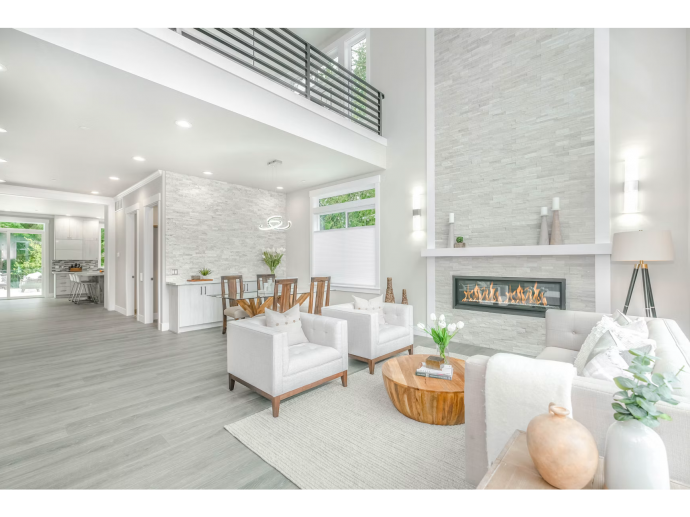
Give the room a limited color palette drawn from warm neutrals, muted earth tones or soft mineral shades. Matte wall paint reduces glare, while limewash or lightly textured plaster introduces subtle movement. Architectural restraint works best when every visible feature has a purpose.
Comfort prevents minimalism from feeling cold. A supportive chair, soft throw and warm pool of lamplight make longer periods of reflection more inviting. Practical ideas for a home self-care space can also help you choose furnishings that fit your daily routine.
Test the arrangement before committing to built-ins or expensive finishes. Live with a chair, side table and lamp for a week, noting where shadows fall and which sounds interrupt you. Small adjustments of six or twelve inches can improve sightlines and make the room feel noticeably more settled.
A successful sanctuary should feel ready when you enter it. Leave the chair accessible, return meaningful objects to their places and keep one light on a dimmer so the atmosphere can shift from early morning reflection to quiet evening prayer.
Comments
