Categories more
- Adventures (62)
- Arts / Collectables (14)
- Automotive (77)
- Aviation (65)
- Bath, Body, & Health (123)
- Children (6)
- Cigars / Spirits (71)
- Cuisine (66)
- Design/Architecture (22)
- Electronics (63)
- Entertainment (36)
- Event Planning (115)
- Fashion (45)
- Finance (10)
- Gifts / Misc (6)
- Home Decor (118)
- Jewelry (41)
- Pets (3)
- Philanthropy (1)
- Real Estate (16)
- Services (44)
- Sports / Golf (14)
- Vacation / Travel (85)
- Watches / Pens (33)
- Wines / Vines (34)
- Yachting / Boating (67)


The Importance of Stainless Steel Finishes in Modern Engineering

Published
06/24/2026Key Takeaways
- Surface finishes significantly influence corrosion resistance, handling, and the long-term appearance of stainless steel installations.
- Popular finishes include mill, brushed, mirror, and bead-blasted, each serving distinct roles across different industries.
- Choosing the ideal finish is a balance of function, aesthetics, and environmental suitability in engineering projects.
Stainless steel stands out as an essential material in engineering due to its combination of strength, versatility, and enduring appeal. The selection of surface finish on stainless steel determines not only its outward appearance but also its performance, corrosion resistance, and maintenance requirements. From architectural icons to precision medical instruments, the right finish brings form and function together, and resources like Specialtysteel.com offer insight into specialized products that enable engineers to optimize their material choices.
Surface finishes are no longer just a design afterthought; they play a strategic role in a product's lifespan and usability. Modern engineering demands both rigorous practicality and visual refinement, making it essential to understand how finishing techniques impact project success, whether that means preventing contamination, enhancing reflectivity, or simplifying cleaning and upkeep.
Understanding Stainless Steel Finishes
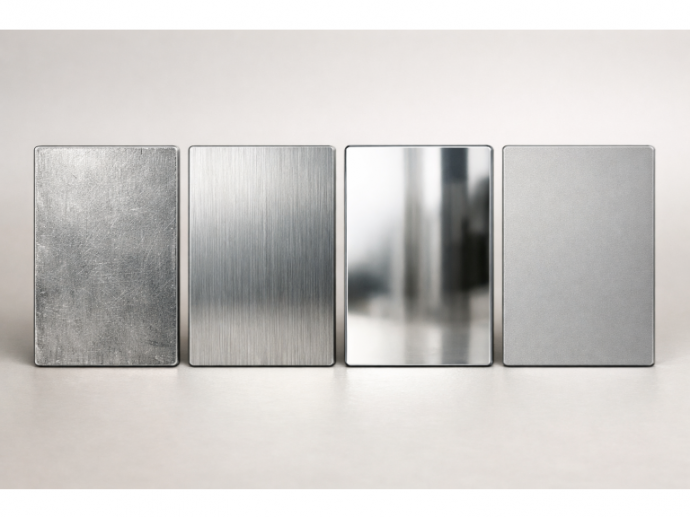
Stainless steel finishes are classified primarily by their texture and overall appearance, which impact not only aesthetics but also crucial technical properties. Here are some of the most commonly used finishes in engineering today:
- Mill Finish: The untreated surface as delivered from the mill, slightly rough and bearing the marks of the manufacturing process.
- Brushed Finish: Produced by brushing the steel with abrasives to create a smooth, linear grain, often chosen for its understated look and easy maintenance.
- Mirror Finish: Polished to a highly reflective finish, this finish offers a luxurious appearance and practical advantages in hygiene-critical settings.
- Bead-Blasted Finish: Created by blasting the surface with fine glass beads, resulting in a uniformly matte appearance devoid of sharp reflections.
Each finish provides a unique blend of visual effect and tactile quality, influencing not only how the material looks but also how it resists wear and cleans over time. For a deeper technical understanding, refer to comprehensive publications such as AZoM.
Impact on Corrosion Resistance
The corrosion resistance of stainless steel is strongly influenced by surface finish. Coarse or rough textures can trap contaminants and moisture, increasing the risk of localized corrosion, even in high-grade alloys. Smoother finishes, by contrast, facilitate the formation and retention of the steel’s protective chromium oxide layer, thereby boosting corrosion resistance and extending service life in both aggressive outdoor environments and sensitive, sterile conditions. This technical effect is well documented across industry resources, such as Engineering.com.
Applications in Modern Engineering
The practical requirements of an engineering project largely dictate the chosen stainless steel finish. Some key industry applications include the following:
- Architectural Structures: Mirror finishes lend a sophisticated, visual lightness to façades, columns, and decorative trim, often favored in the construction of flagship buildings and interior accents.
- Medical Equipment: Brushed finishes are chosen for their cleanability and resistance to harboring microbes, making them ideal for sterile tools, surgical devices, and healthcare surfaces.
- Industrial Machinery: Mill finishes are common where visual uniformity is not critical, but performance and cost efficiency are, such as in pressure vessels and heavy-duty machinery frames.
In many contemporary settings, designers and engineers are moving beyond the standard, blending metallic finishes with textured or colored micro-surfaces to produce a sense of warmth and uniqueness.
Recent Trends in Stainless Steel Finishes
Modern architectural and industrial design trends are redefining how stainless steel is perceived in both public and private spaces. A renaissance in mixed materials is prompting engineers to incorporate stainless steel with ceramics, glass, or artisanal tiles to create tactile, visually engaging environments. For example, kitchens and public venues now feature coordinated mosaics and brushed facings, softening the industrial look for residential appeal. Additional trend analysis and material forecasts can be found in resources such as Architectural Digest.
Selection Tips for Engineers
To select the best stainless steel finish for a given application, engineers should keep key criteria in mind:
- Environmental Conditions: Matched to the harshness of operating or installation conditions, the finish should maximize resistance to both corrosion and surface wear.
- Maintenance Requirements: Ensure finishes align with the maintenance frequency and expected cleaning protocols. Low-maintenance finishes are crucial for large or hard-to-access installations.
- Aesthetic Goals: The chosen finish should accentuate the project’s design theme, whether sleek, modern minimalism or intricate, handcrafted detail is desired.
Consulting with material specialists and reviewing technical datasheets helps avoid common pitfalls and ensures a harmonized, lasting result.
Conclusion
The decision of which stainless steel finish to use in engineering goes far beyond surface appearance. It is a foundational factor in the material’s lifespan, hygiene, and the project's collective aesthetic. By understanding the technical and stylistic nuances of each finish, engineers can deliver outcomes that are both beautiful and robust, making stainless steel a timeless staple in innovation and design.
Comments
