Categories more
- Adventures (62)
- Arts / Collectables (14)
- Automotive (77)
- Aviation (68)
- Bath, Body, & Health (127)
- Children (49)
- Cigars / Spirits (72)
- Cuisine (68)
- Design/Architecture (22)
- Electronics (66)
- Entertainment (40)
- Event Planning (116)
- Fashion (47)
- Finance (10)
- Gifts / Misc (7)
- Home Decor (118)
- Jewelry (41)
- Pets (3)
- Philanthropy (1)
- Real Estate (19)
- Services (60)
- Sports / Golf (38)
- Vacation / Travel (101)
- Watches / Pens (72)
- Wines / Vines (34)
- Yachting / Boating (76)



The Luxury of Darkness: Why Well-Dressed Windows Are Essential for Better Sleep

Published
06/17/2026Luxury is often associated with what we can see: exquisite furnishings, curated art collections, bespoke finishes, and exceptional craftsmanship. Yet one of the most valuable luxuries in modern life is something far less visible: darkness.
In an age of glowing screens, illuminated city skylines, and around-the-clock connectivity, genuine darkness has become increasingly rare. At the same time, sleep quality has emerged as one of the defining wellness concerns of our era. According to sleep researchers, exposure to light at night can interfere with the body's natural sleep processes, affecting everything from melatonin production to circadian rhythm regulation.
As a result, luxury homeowners, interior designers, and wellness experts are paying closer attention to an often-overlooked design element: window treatments. Well-dressed windows are no longer simply decorative. They have become an essential component of creating a restorative sleep environment that supports health, well-being, and everyday comfort.
Why Darkness Matters More Than Ever
The human body evolved to operate in alignment with natural cycles of light and darkness. During daylight hours, light exposure promotes alertness and activity. As darkness falls, the brain begins producing melatonin, a hormone that helps prepare the body for sleep.
Modern living has disrupted this natural relationship. Artificial lighting, digital devices, streetlights, and illuminated urban environments can all contribute to excessive nighttime light exposure. Research from the Sleep Foundation identifies light as one of the strongest regulators of the body's internal clock, noting that excessive light exposure at night can interfere with melatonin production and negatively affect sleep quality.
Even relatively low levels of light can have an impact. Researchers at Harvard have highlighted that the body produces more melatonin as darkness increases, while nighttime light exposure can suppress this important sleep-regulating hormone.
For luxury homeowners seeking to optimise wellness at home, darkness is viewed not as an absence of design, but as an intentional design choice.
The Rise of the Sleep Sanctuary
The modern luxury bedroom has evolved far beyond aesthetics. Today's high-end residential projects increasingly incorporate principles borrowed from leading wellness retreats and five-star hotels. Alongside premium mattresses, carefully selected bedding, and climate control systems, designers are focusing on environmental factors that influence sleep quality.
This shift reflects growing recognition that sleep is one of the most powerful contributors to overall health and performance.
Luxury hospitality brands have long understood this principle. Many of the world's finest hotels invest heavily in creating dark, quiet sleeping environments designed to minimise disruption and maximise comfort. Guests may not always notice the details consciously, but the results are often felt through deeper, more restorative rest.
Homeowners are increasingly seeking to recreate that experience in their own bedrooms.
Window Treatments: The Unsung Heroes of Sleep Design
When discussing sleep-friendly interiors, window treatments rarely receive the same attention as mattresses or bedding. Yet they play a crucial role in controlling one of the most influential environmental factors affecting sleep: light.
Poorly covered windows can allow streetlights, passing vehicle headlights, early-morning sunlight, and neighbouring properties to introduce unwanted illumination throughout the night.
This is particularly relevant in urban environments, where light pollution has become a growing concern.
Thoughtfully selected curtains and blinds can help create a more controlled sleep environment by reducing external light intrusion while simultaneously contributing to the overall aesthetic of a room.
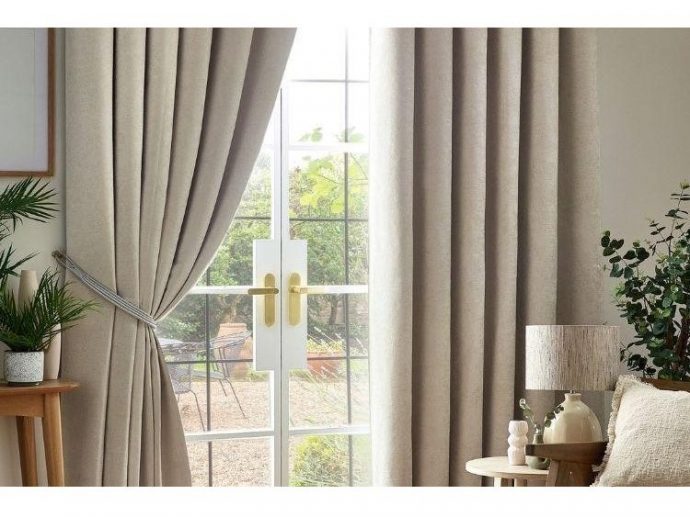
For homeowners exploring ways to improve bedroom comfort, sites such as www.terrysfabrics.co.uk provide insight into blackout curtain options that support greater light control while complementing a variety of interior styles.
Importantly, blackout solutions aren’t limited to purely functional designs. Contemporary collections incorporate luxurious fabrics, elegant textures, and sophisticated colour palettes that align with the expectations of modern luxury interiors.
The Connection Between Light, Sleep, and Wellness
The growing interest in darkness is supported by an expanding body of scientific research.
According to the Sleep Foundation, exposure to light during the evening and overnight hours can disrupt sleep cycles, reduce time spent in restorative sleep stages, and affect circadian rhythm regulation.
Harvard researchers have also noted that light exposure after dark may influence health beyond sleep itself. Circadian disruption has been linked in research to a range of health concerns, including metabolic, cardiovascular, and mental well-being outcomes.
While scientists continue to investigate the full extent of these relationships, the evidence consistently points toward one clear conclusion: reducing unnecessary nighttime light exposure supports healthier sleep patterns.
This has elevated darkness from a simple comfort preference to an increasingly important aspect of wellness-focused design.
Designing for Comfort Without Compromise
One of the reasons luxury interiors are so effective is their ability to combine beauty and function seamlessly. The best sleep-focused bedrooms achieve this balance through thoughtful layering.
Heavy curtains may provide effective light control, but they can also introduce texture, softness, and visual depth. Layered window treatments can enhance privacy while contributing to the overall atmosphere of a room. Rich fabrics, tailored pleats, and carefully chosen finishes help create a sense of cocooning comfort that supports relaxation long before bedtime arrives.
Designers often refer to this concept as sensory design: creating spaces that feel as good as they look. Darkness becomes part of that experience. Rather than feeling clinical or purely functional, a well-designed bedroom uses darkness to establish calm, intimacy, and retreat from the demands of the outside world.
The New Definition of Luxury
Luxury is increasingly shifting away from conspicuous consumption and towards experiences that enhance quality of life.
The concept of "quiet luxury" has become a defining trend across fashion, travel, and interiors. Instead of focusing solely on visible status symbols, consumers are investing in elements that deliver comfort, well-being, and long-term value.
Sleep sits at the heart of this evolution. A beautifully designed bedroom that supports restorative sleep offers benefits that extend far beyond aesthetics. Better sleep can improve mood, cognitive performance, productivity, and overall well-being. In this context, darkness becomes one of the most practical luxuries available.
The ability to create a calm, private environment insulated from external distractions is increasingly valuable in a world that rarely switches off.
Conclusion
The luxury of darkness may seem like a contradiction in an era obsessed with illumination, but it reflects a deeper understanding of what true comfort means.
As scientific research continues to highlight the importance of light management for healthy sleep, homeowners and designers alike are recognising the role that thoughtful window treatments play in creating restorative spaces.
Well-dressed windows do more than complete a room aesthetically. They help shape an environment that supports relaxation, privacy, and restorative rest. In a culture where quality sleep has become one of the most sought-after wellness goals, darkness is no longer something to be avoided. It is something worth designing for.
References
- Sleep Foundation. Light and Sleep: Effects on Sleep Quality. Updated 2026.
- Harvard T.H. Chan School of Public Health. Too Much Light at Night May Harm Health. 2026.
- Harvard Health Publishing. Blue Light Has a Dark Side.
- National Sleep Foundation. Good Light, Bad Light, and Better Sleep.
- Harvard T.H. Chan School of Public Health. Sleep – The Nutrition Source.
Comments
