Categories more
- Adventures (62)
- Arts / Collectables (14)
- Automotive (77)
- Aviation (65)
- Bath, Body, & Health (123)
- Children (6)
- Cigars / Spirits (71)
- Cuisine (66)
- Design/Architecture (22)
- Electronics (63)
- Entertainment (36)
- Event Planning (115)
- Fashion (45)
- Finance (10)
- Gifts / Misc (6)
- Home Decor (118)
- Jewelry (41)
- Pets (3)
- Philanthropy (1)
- Real Estate (16)
- Services (44)
- Sports / Golf (14)
- Vacation / Travel (85)
- Watches / Pens (33)
- Wines / Vines (34)
- Yachting / Boating (67)


The Modern Evolution of Australia’s Luxury Casino Culture

Published
05/26/2026Australia's luxury casino culture has reinvented itself in 2026 as a discreet, members-only theatre of upmarket hospitality, shaped by a new wave of harbour-front resorts, sweeping regulatory reform and a clientele that now expects Michelin stars before chip stacks. Sydney's Barangaroo precinct and Melbourne's Southbank function as twin epicentres of the shift, the product of an industry rebuilding itself around transparency, design and high-end leisure.
The transformation is dramatic, because a decade ago the Australian casino floor sold itself on noise, neon and pokies, while today the marquee venues pitch something closer to a private members' club with baccarat in the next room.
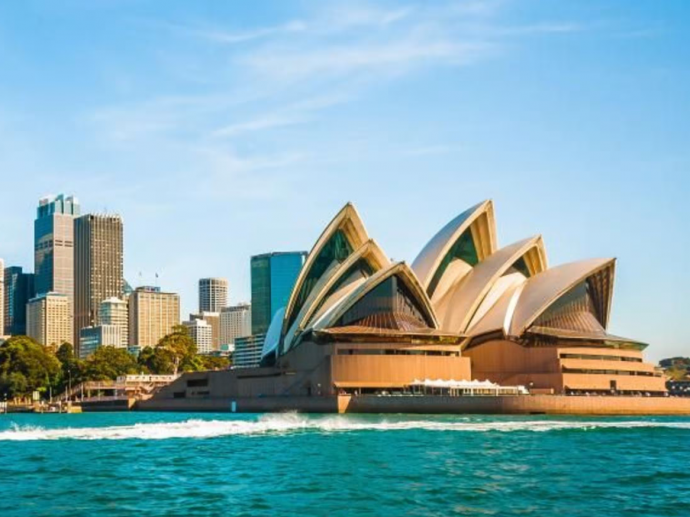
Crown Sydney sits at the centre of this transformation. The 75-storey tower at Barangaroo, drawn by WilkinsonEyre and home to Australia's first six-star hotel, deliberately omitted electronic gaming machines from its main floor, so its Crystal Room runs on table play, hosted dealers and a minimum bet that prices out the casual punter.
That choice was strategic rather than aesthetic; Crown wanted distance from the noisier image that had defined Australian gambling for thirty years, leaning instead on architecture, service and view, and the harbour helped.
A new regulatory chapter
Star Entertainment, meanwhile, spent 2025 consolidating: a US-led capital injection stabilised the group, and its Queen's Wharf Brisbane project has been operating under independent management while Hong Kong partners Chow Tai Fook and Far East Consortium refine the operator slate, with Crown and SkyCity both in conversation.
The regulatory backdrop is no longer optional reading. From 31 March 2026, updated customer verification rules from Australia's federal casino regulator brought the country into line with FATF global standards on player identification, formalising a model already common in Europe and North America and giving Australian operators a clearer compliance framework to work within.
That single rule has done more to redraw luxury casino culture than any architect, since the VIP rooms still exist and remain the engine of the high-end gaming experience, but what surrounds them now is a more rigorous, internationally recognised standard of customer care.
The online floor and the democratisation of play
Casinos have always been gathering places for the upper echelons, salons where fortunes changed hands beneath chandeliers and the right name on the door mattered as much as the chips on the felt, and Australia's marble-and-harbour reinvention shows that this remains true at the very top of the market.
Yet alongside that rarefied world runs a parallel one, because the rise of online casinos has done something the physical floor never could, opening the game to the whole of society rather than reserving it for the few who could afford the suite and the dress code. Where Crown's Crystal Room prices out the casual punter by design, the digital table asks only for a verified account and a connection, so the same baccarat, the same roulette wheel and the same poker hand that once belonged to Monte Carlo's regulars now sit a tap away from anyone curious enough to play.
That access comes with a transparency the velvet rooms never offered, since players can now arrive perfectly informed about where they choose to wager, and a resource like the VerifiedPokies casino guide lets them know everything about the casinos they are about to register with, from licensing and payout terms to game range and player protections, before a single dollar is staked. The standardisation cuts both ways, because the regulatory clarity now reshaping Australia's luxury venues, cashless wallets, identity checks and transparent spend tracking, was rehearsed first in the online arena, where verification has long been the price of entry.
The result is a curious symmetry: the physical casino climbs ever higher into exclusivity while its online counterpart spreads ever wider, and between them they have made the casino, in 2026, both the most private and the most public room in the house.
Selling the experience, not the floor
The numbers behind the glamour tell a story of repositioning, with the Australian casino sector stabilising around A$5 billion in annual revenue across nine licensed operators and growth forecasts pointing upward over the next five years; luxury, in other words, is now the growth strategy.
Crown Melbourne is the clearest example, given that the Palms theatre is being rebuilt as Crown Live Theatre, due to relaunch in November 2026 with a 1,250-seat capacity aimed squarely at international residencies and concert tourism, while the Aussie Millions poker series returns the same year, restoring a fixture long valued by the global tournament circuit.
Food has done most of the heavy lifting, with Nobu Matsuhisa touring all three Crown properties earlier this year, and Clare Smyth's Oncore still anchoring Sydney's culinary credentials; the casino has become the entry ticket, while the restaurant is the destination.
There is a quiet sophistication to all this, and the operators know it perfectly well: dress codes are sharper, salons more intimate, membership cards tiered like airline status, so luxury here is defined by curation rather than crowd.
SkyCity Adelaide plays a different hand, housed inside the heritage-listed former railway station on North Terrace, leaning on architectural distinction rather than altitude, and although its 349-room hotel and signature restaurants compete on a smaller stage, the property has built a loyal following through quiet consistency and design.
The casino as part of the national luxury brand
The cultural ripple beyond the casinos themselves is significant. Sydney and Melbourne have repositioned their tourism pitches around integrated-resort experiences, and any decent luxury travel guide to Australia now lists Crown Sydney or The Star in the same breath as Uluru lodges and Great Barrier Reef seaplanes.
The convergence is deliberate, with Crown Sydney sharing Barangaroo with designer boutiques and the Sky Deck observation level, so the casino is no longer the centre of gravity but rather one room inside a larger luxury experience that takes in the spa, the harbour view and the seventy-fifth-floor cocktail.
What this means for the high-roller archetype is something more refined, since the international VIP arriving for a long weekend now lands inside a fully regulated, internationally aligned environment, with the same standards of identification and service expected anywhere from Monte Carlo to Singapore.
The luxury angle is also being marketed harder by the country itself, and Australia's official luxury casino tourism portfolio now bundles harbour casino-resort stays alongside Tasmania's MONA and the Whitsundays seaplane itineraries, treating gaming as one ribbon in a wider premium-experience economy rather than a standalone draw.
The repositioning matters, because it signals that Australia has decided the casino belongs firmly inside the national luxury brand, on equal footing with its wine country, its reefs and its design hotels.
Whether the older generation of punters will recognise themselves in this new world is another question; they were never the people the marble was for.
Comments
