Categories more
- Adventures (62)
- Arts / Collectables (14)
- Automotive (77)
- Aviation (68)
- Bath, Body, & Health (127)
- Children (49)
- Cigars / Spirits (72)
- Cuisine (68)
- Design/Architecture (22)
- Electronics (66)
- Entertainment (40)
- Event Planning (116)
- Fashion (47)
- Finance (10)
- Gifts / Misc (7)
- Home Decor (118)
- Jewelry (41)
- Pets (3)
- Philanthropy (1)
- Real Estate (19)
- Services (60)
- Sports / Golf (38)
- Vacation / Travel (101)
- Watches / Pens (72)
- Wines / Vines (34)
- Yachting / Boating (76)


The Modern Guide to Long-Term Hair Removal: Comparing Professional Treatments

Published
10/12/2026Unwanted hair has impressive commitment. Your razor takes a day off; your stubble does not. Patients can expect 10%–25% hair reduction after their first laser treatment, although results vary.
Professional treatments can cut the maintenance, but laser, intense pulsed light, and electrolysis offer different benefits. Your best choice depends on hair color, skin tone, treatment area, budget, and patience.
Start With Your Goal and Budget
Before you compare packages, decide whether you want fewer hairs or permanent removal of individual hairs. For facial treatment, this guide to how much does electrolysis cost for face provides one clinic’s session prices and explains how appointment length affects fees. Treat those figures as a local example, rather than a universal rate.
Ask each provider for an estimated course cost, appointment schedule, and possible maintenance fees. A cheap first visit tells you little about the final bill. Your follicles apparently prefer installment plans.
Laser Hair Removal: Efficient Coverage
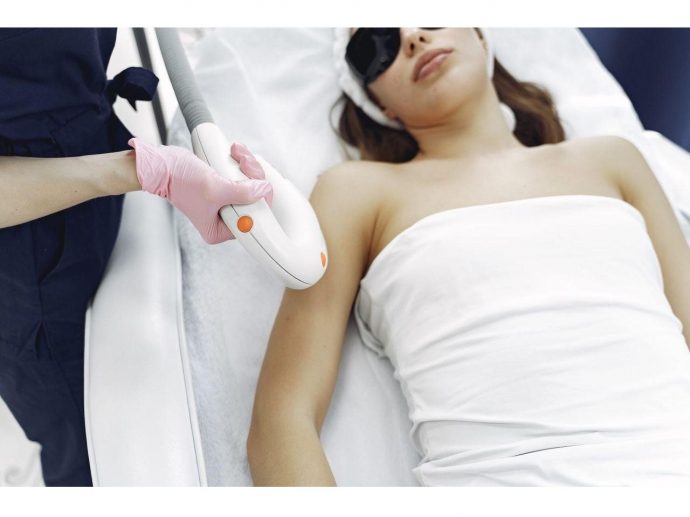
Laser treatment uses light that hair pigment absorbs. That energy creates heat and damages the follicle. Thick, dark hair generally responds better than blonde, gray, white, or red hair.
Clinicians commonly treat legs, backs, underarms, and bikini areas. However, follicles enter growth phases at different times, so one appointment cannot catch every suitable hair.
Expect a treatment course rather than an instant transformation. Laser can provide months or years with less hair, but some regrowth and future maintenance remain possible.
Laser Choice Matters for Darker Skin
Darker skin does not automatically rule out laser treatment. It does make device selection and practitioner experience especially important because skin pigment also absorbs light energy.
DermNet identifies the long-pulsed Nd:YAG laser as the safest laser option for hair removal in skin of color. Its longer wavelength helps limit injury to the skin’s surface.
Ask which laser the clinic uses, why it suits your skin, and whether the clinician has experience with similar patients. A fashionable machine name cannot replace sound clinical judgment.
Professional IPL: A Different Light Technology
Intense pulsed light, or IPL, uses multiple wavelengths. A laser uses a specific wavelength. The two methods share a pigment-based approach, but they are different technologies.
Professional IPL can reduce unwanted dark hair across several body areas. Light-colored hair generally responds poorly because it lacks enough pigment for an effective target.
Device capabilities, filters, treatment settings, and practitioner skill all matter. Ask why the provider recommends IPL over laser for your particular hair and skin. The word “advanced” on a brochure offers remarkably little detail.
Electrolysis: Precision and Permanent Removal
An electrologist inserts a fine probe into an individual follicle and applies an electrical current that destroys its hair growth cells. Electrolysis offers permanent hair removal and works across skin tones and hair types.
That versatility makes it worth consideration for light hairs that respond poorly to pigment-based treatments.
The tradeoff is time: the practitioner treats follicles individually, and hair cycles require repeat appointments. A few persistent chin hairs present a different workload from an entire back. Permanent results still require patience.
Compare the Practical Tradeoffs
Use these differences to guide your consultation:
|
Treatment |
Main Advantage |
Main Limitation |
|
Laser |
Coverage of larger areas with dark hair |
Light hair responds poorly; maintenance may follow |
|
Professional IPL |
Dark-hair reduction through broad-spectrum light |
Suitability depends on skin, device, and settings |
|
Electrolysis |
Permanent removal across hair colors |
Individual follicle treatment takes time |
No method wins every category. Ask the provider to explain the recommendation in terms of your hair, skin, and goals, not just the package currently on sale.
Choose the Practitioner Carefully
Luxury Lifestyle’s advice on how to choose a skin care clinic offers a useful starting point for questions about qualifications, reputation, and services.
For laser treatment, the AAD recommends a board-certified dermatologist. Ask about experience with your skin tone, potential complications, and realistic results. For electrolysis, check relevant credentials and hygiene procedures.
Also disclose medications, recent sun exposure, cold sore history, and any tendency toward raised scars. A thorough consultation gives the practitioner
information that a discount voucher cannot.
Keep Temporary Options in Perspective
Professional wax services remove hair temporarily. They can suit someone who wants short-term smoothness without a laser or electrolysis course, but they do not offer equivalent permanent follicle destruction.
Luxury Lifestyle’s explanation of how hard wax differs from soft wax adds context for that alternative.
During a laser course, follow your clinician’s rules about hair removal between appointments. Cleveland Clinic advises against wax and tweezers once treatment begins. Confirm when to shave instead. Your usual salon routine may need a temporary vacation.
Understand Discomfort and Aftercare
Laser pulses may feel like warm pinpricks or rubber-band snaps. Electrolysis can cause a brief hot or pinching sensation. Neither experience guarantees a spa-worthy nap.
Temporary redness and swelling can follow laser treatment. More serious complications include burns, pigment changes, and scars. Electrolysis also carries infection and scar risks with poor technique.
Follow your provider’s aftercare instructions. Protect your skin from sun exposure, and use the recommended sunscreen. After electrolysis, ask when you can resume makeup and exercise that causes perspiration.
Laser hair removal: What to expect
Conclusion
Laser offers efficient coverage for suitable dark hair. Professional IPL provides another light-based reduction option. Electrolysis offers permanent removal of individual hairs across hair colors, with a greater time commitment.
Choose according to your skin, hair, goals, and realistic total cost. A qualified practitioner and clear treatment plan matter more than dramatic promises. Aim for fewer unwanted hairs, and fewer surprises on the invoice.
Comments
