Categories more
- Adventures (68)
- Arts / Collectables (24)
- Automotive (78)
- Aviation (73)
- Bath, Body, & Health (133)
- Children (51)
- Cigars / Spirits (76)
- Cuisine (82)
- Design/Architecture (28)
- Electronics (68)
- Entertainment (46)
- Event Planning (118)
- Fashion (54)
- Finance (13)
- Gifts / Misc (7)
- Home Decor (123)
- Jewelry (47)
- Pets (4)
- Philanthropy (5)
- Real Estate (26)
- Services (61)
- Sports / Golf (39)
- Vacation / Travel (112)
- Watches / Pens (72)
- Wines / Vines (36)
- Yachting / Boating (79)


The Modern Guide to Parisian Luxury Fashion: Building a Wardrobe Beyond Trends

Published
09/03/2026Paris has long been associated with elegance, craftsmanship, and effortless style. From historic fashion houses to modern luxury retailers, the city continues to influence how people around the world think about sophisticated dressing. Yet contemporary luxury fashion is no longer simply about wearing pieces from one famous label. Today, it is increasingly about building a personal wardrobe that combines timeless design, individuality, and quality.
Why Paris Remains a Fashion Capital
Paris occupies a unique position in the fashion world because of its combination of history and innovation. The city has been home to some of the most influential fashion houses for generations, while its streets continue to inspire new approaches to personal style.
French fashion is often associated with understated sophistication. Instead of relying entirely on bold logos or seasonal trends, many Parisian-inspired wardrobes focus on strong silhouettes, refined materials, and versatile pieces. A well-cut jacket, quality leather handbag, or elegant dress can remain relevant for years when selected carefully.
This approach has also influenced luxury shoppers internationally. Rather than constantly replacing their wardrobes, many consumers are becoming more interested in investing in pieces that can be styled in different ways.
The Growing Appeal of Mix-and-Match Luxury
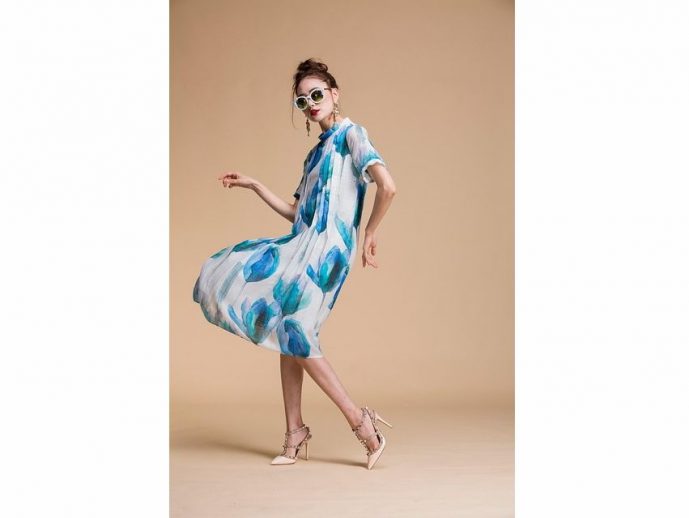
One of the most interesting developments in luxury fashion is the growing emphasis on mixing different aesthetics. A classic leather handbag can work with contemporary tailoring, a minimalist dress can be transformed by statement jewelry, and a Balmain dress can become the focal point of an evening look when paired with understated accessories.
Vintage-inspired pieces can also be combined with modern footwear, allowing shoppers to create outfits that feel personal rather than taken directly from a single collection. This mix-and-match approach gives luxury fashion greater versatility and makes individual pieces more useful beyond a single occasion.
The result is a wardrobe that reflects personal taste instead of following one designer's vision from head to toe.
Understanding the Appeal of Iconic Fashion Houses
Luxury fashion houses each have their own visual language. Celine, for example, is widely associated with refined silhouettes and a modern approach to French style. Chanel has become synonymous with timeless elegance, while Louis Vuitton has developed a global identity spanning leather goods, fashion, accessories, and travel.
Dior also remains influential for its combination of heritage and contemporary design. Meanwhile, Balmain is known for more dramatic silhouettes, structured tailoring, and statement-making designs.
Understanding these differences can help shoppers choose pieces according to their own style rather than purchasing simply because a particular name is popular.
The Role of 24S in Modern Luxury Shopping
The growth of online luxury retail has changed how consumers discover and purchase designer fashion. Instead of relying exclusively on physical boutiques, shoppers can now explore collections from established fashion houses through curated digital platforms.
24S is one example of this shift. As an e-commerce platform associated with LVMH, 24S brings together luxury fashion, leather goods, shoes, accessories, and other high-end products in one digital destination.
For shoppers who value authenticity and established luxury names, a reputable platform can provide an additional level of confidence when purchasing designer items online. 24S also gives customers access to selected products from major fashion houses, including Celine and Louis Vuitton, making it easier to explore different styles without limiting a wardrobe to one particular brand.
Authenticity and Trust Matter
When purchasing luxury fashion online, authenticity is an important consideration. Designer products represent a significant investment, so shoppers naturally want confidence in the source, product quality, and purchasing experience.
This is one reason established luxury platforms have become increasingly important. A reputable retailer can provide clearer product information, professional presentation, and access to recognized fashion houses. These factors can make the online shopping experience feel more comparable to visiting a traditional luxury boutique.
However, consumers should still pay attention to product descriptions, sizing information, return policies, and care instructions before making a purchase.
Building a Versatile Luxury Wardrobe
A sophisticated wardrobe does not necessarily need to contain dozens of designer pieces. A smaller selection of carefully chosen items can provide much greater flexibility.
Start with pieces that can serve multiple purposes. A tailored blazer can work for professional settings as well as evening occasions. A quality handbag can complement both casual and formal outfits. Neutral shoes and classic accessories can also make statement pieces easier to wear regularly.
Once these foundations are established, more distinctive items can be introduced. A dramatic evening dress, an unusual accessory, or a bold jacket can add personality without overwhelming the rest of the wardrobe.
The key is balance. Timeless pieces create a foundation, while expressive designs provide individuality.
Quality Over Quantity
Luxury fashion is often associated with exclusivity, but its real value can also be found in craftsmanship and longevity. Materials, construction, finishing, and design all contribute to whether a piece remains attractive and functional over time.
Buying fewer, better-made products can therefore be a more practical approach than constantly following seasonal trends. A carefully selected luxury item may work across multiple years and occasions, particularly when its design is not overly dependent on short-lived trends.
This philosophy also encourages shoppers to consider how a piece will fit into their existing wardrobe before making a purchase.
The Value of Previous Collections
Luxury fashion does not always have to mean buying the newest collection. Previous-season pieces can offer distinctive designs that may no longer be widely available, while classic products can remain relevant long after their original release.
For fashion enthusiasts, older collections can also provide an opportunity to explore different creative periods within a brand's history. Certain silhouettes, colors, and design details may become increasingly interesting as fashion trends change.
This makes luxury fashion more than a seasonal purchase. Individual pieces can become part of a long-term personal collection.
Creating a Personal Sense of Style
The most successful luxury wardrobes are not necessarily the ones containing the most recognizable brands. They are the ones that feel authentic to the person wearing them.
Personal style can come from combining different designers, mixing contemporary and classic pieces, or choosing accessories in unexpected ways. Someone might pair a structured designer jacket with simple denim, or combine an elegant handbag with a more relaxed outfit.
This freedom is one of the most appealing aspects of modern luxury fashion. Shoppers are no longer expected to follow a complete look from a single runway collection. Instead, they can select individual pieces and create combinations that reflect their lifestyle.
The Future of Luxury Fashion
The luxury fashion industry continues to evolve as consumers become more informed and digitally connected. Online shopping, social media, changing attitudes toward sustainability, and renewed interest in timeless pieces are all influencing purchasing decisions.
At the same time, established fashion houses continue to balance their heritage with contemporary design. The result is a luxury market where tradition and innovation exist side by side.
Digital platforms such as 24S are part of this transformation, helping connect established luxury brands with consumers who increasingly discover fashion online. As shopping habits continue to change, convenience and authenticity are likely to remain important factors in the luxury experience.
Conclusion
Parisian luxury fashion is ultimately about more than labels. It is about craftsmanship, personal expression, versatility, and choosing pieces that can remain meaningful beyond a single season.
Whether someone prefers the understated character of Celine, the heritage of Chanel and Louis Vuitton, the elegance of Dior, or the bold character of Balmain, the modern approach to luxury allows these aesthetics to exist together.
With carefully selected pieces and a focus on quality rather than quantity, a luxury wardrobe can become both sophisticated and deeply personal—reflecting individual taste while remaining connected to the enduring influence of Parisian fashion.
Comments
