Categories more
- Adventures (62)
- Arts / Collectables (14)
- Automotive (77)
- Aviation (68)
- Bath, Body, & Health (127)
- Children (49)
- Cigars / Spirits (72)
- Cuisine (68)
- Design/Architecture (22)
- Electronics (66)
- Entertainment (40)
- Event Planning (116)
- Fashion (47)
- Finance (10)
- Gifts / Misc (7)
- Home Decor (118)
- Jewelry (41)
- Pets (3)
- Philanthropy (1)
- Real Estate (19)
- Services (60)
- Sports / Golf (38)
- Vacation / Travel (101)
- Watches / Pens (72)
- Wines / Vines (34)
- Yachting / Boating (76)



The Modern Self-Care Routine: Why Your Smile Deserves More Attention

Published
09/22/2026Self-care has evolved beyond occasional pampering into a thoughtful approach to maintaining physical health, confidence, and personal well-being. For people looking to make professional dental care part of their routine, attleborodentist.com provides information about dental services designed to support oral health and improve the appearance of the smile. Giving your teeth and gums the same attention as skincare, fitness, and nutrition can help create a more complete approach to caring for yourself.
Expanding the Meaning of Self-Care
Modern self-care is often associated with exercise, balanced meals, quality sleep, skincare, and taking time to manage stress. While these habits can contribute to feeling and looking your best, oral health is sometimes treated as a separate concern rather than part of the same routine. Caring for your smile brings dental health into the broader picture of everyday wellness.
A consistent oral care routine does not need to be complicated or time-consuming. Brushing thoroughly, cleaning between the teeth, and attending regular dental appointments can help prevent minor concerns from becoming more serious problems. These simple habits can also help maintain fresh breath, healthy gums, and a clean appearance.
Your Smile Plays a Role in Confidence
A smile is one of the first facial features people notice during everyday interactions. When someone feels comfortable with the appearance of their teeth, they may feel more at ease smiling in photographs, meeting new people, or speaking in professional settings. This makes smile care relevant not only to physical health but also to personal presentation.
Concerns such as staining, chipped teeth, uneven spacing, or missing teeth can sometimes make people more conscious of their smile. Modern dentistry offers a range of approaches that may address both cosmetic and functional concerns depending on individual needs. Discussing these concerns with a dental professional can help patients understand which options may be suitable for them.
Prevention Is an Investment in Your Future
Many people wait until they experience discomfort before making a dental appointment, but preventive care takes a different approach. Routine examinations and professional cleanings give dental professionals an opportunity to identify potential problems before they become more difficult to manage. Early attention may also reduce the need for more extensive treatment later.
Preventive care is particularly valuable because some dental problems can develop without obvious symptoms in their early stages. Cavities, gum concerns, and changes in existing dental work may not always cause immediate pain. Regular professional assessments can therefore complement the care that takes place at home each day.
Beauty Routines Should Include Your Smile
People often spend considerable time selecting skincare products, hair treatments, grooming services, and other tools that help them feel polished. However, a healthy-looking smile can have just as much influence on someone's overall appearance. Making oral care part of a beauty routine can create a more balanced approach to personal maintenance.
Cosmetic dental care can also be considered when someone wants to address a specific concern about the appearance of their teeth. Options such as professional whitening, veneers, or orthodontic treatment may help with concerns ranging from discoloration to alignment. The appropriate treatment depends on factors such as oral health, personal goals, and professional recommendations.
Daily Habits Make a Lasting Difference
Good smile care starts with the small choices made consistently at home. Brushing and cleaning between the teeth help remove plaque and food debris, while mindful dietary choices can support both dental and general health. Drinking water regularly can also help rinse the mouth and support normal saliva production.
Lifestyle habits can influence the appearance of teeth over time as well. Frequently consuming strongly colored foods and drinks may contribute to staining, while habits such as smoking can affect both appearance and oral health. Being aware of these factors makes it easier to build a routine that supports long-term dental care.
Professional Care Complements Home Care
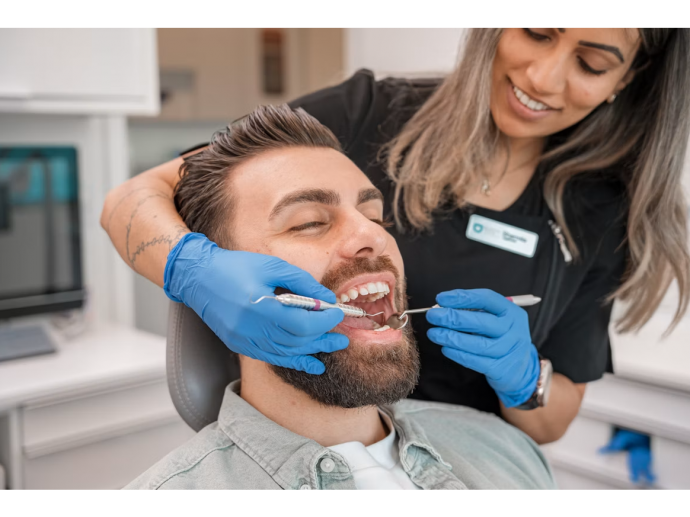
Even a careful home routine cannot replace every aspect of professional dental care. Dental appointments allow for professional cleaning as well as an examination of the teeth, gums, and other areas of the mouth that may be difficult to assess independently. They also provide an opportunity to ask questions and receive advice based on individual dental needs.
Professional care can become especially important when someone notices changes such as persistent sensitivity, bleeding gums, discomfort, or damage to a tooth. Rather than simply covering up these concerns for cosmetic reasons, a dental professional can investigate what may be causing them. Addressing the underlying issue can support both the health and appearance of the smile.
Making Smile Care Part of Your Lifestyle
The easiest self-care routines are usually the ones that become ordinary parts of everyday life. Keeping dental products accessible, following consistent morning and evening habits, and planning dental appointments in advance can make oral care easier to maintain. Instead of viewing dental care as something reserved for problems, it can become another regular wellness habit.
This mindset also encourages people to think about long-term results rather than quick fixes. A brighter or more polished smile can be appealing, but maintaining healthy teeth and gums provides the foundation for those cosmetic goals. Combining daily care, preventive appointments, and appropriate professional treatment can help support that foundation over time.
Conclusion
A modern self-care routine should consider more than how you look in the moment; it should also support your health, comfort, and confidence over the years ahead. Giving your smile regular attention through good daily habits, preventive dental care, and appropriate professional treatment can make oral health a natural part of a broader wellness routine. By treating smile care with the same consistency given to skincare, fitness, nutrition, and other personal habits, self-care becomes a more complete investment in both present and future well-being.
Comments
