Categories more
- Adventures (200)
- Arts / Collectibles (316)
- Automotive (219)
- Aviation (283)
- Bath, Body & Health (514)
- Children (116)
- Cigars / Spirits (271)
- Cuisine (730)
- Design / Architecture (1096)
- Electronics (222)
- Entertainment (160)
- Event Planning (299)
- Fashion (550)
- Finance (197)
- Gifts / Misc (141)
- Home Decor (556)
- Jewelry (395)
- Pets (91)
- Philanthropy (124)
- Real Estate (386)
- Services (227)
- Sports / Golf (219)
- Vacation / Travel (1059)
- Watches / Pens (223)
- Wines / Vines (868)
- Yachting / Boating (1856)



The Most Dangerous Part of a Road Project Might Be the Traffic Around It

Published
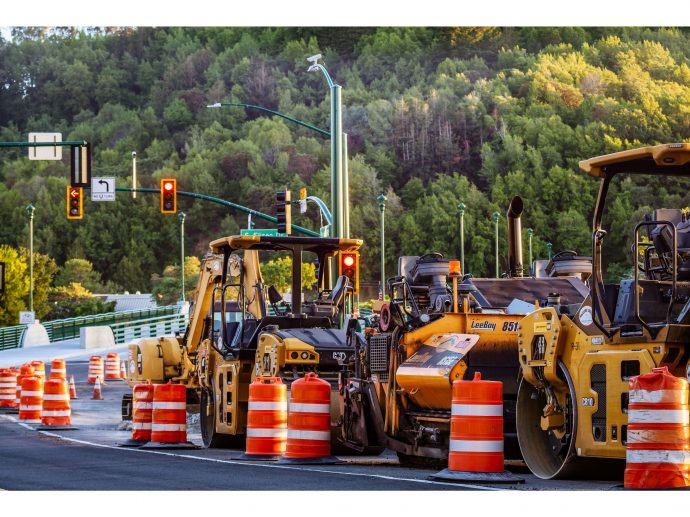
10/21/2026You've driven this stretch of road a hundred times. Then one morning it's unrecognizable. Orange barrels everywhere, lanes shifted three feet to the left, concrete barriers hugging your mirror, and a flashing sign announcing a speed limit you've never seen there before.
Construction zones turn familiar roads into moving puzzles. The lines on the pavement may not match the lines you're supposed to follow. Workers, equipment, and sudden backups can appear just around a bend. And everyone around you is trying to figure it out at the same time.
That confusion is exactly why construction zone car accidents are such a concern. Narrow lanes, missing shoulders, and abrupt changes leave little room for mistakes. Knowing what makes these areas risky can help drivers stay safer and make sense of what happens after a crash.
Why Construction Zones Create Unique Driving Hazards
Narrowed lanes are the first challenge. Squeezed between barriers and other cars, drivers have less space to adjust. A truck in the next lane can feel uncomfortably close, and a small steering correction can quickly become a sideswipe. Tight spaces amplify everything.
Reduced shoulders and uneven surfaces add risk. With nowhere to pull over, a breakdown or minor crash can block traffic instantly. Grooved pavement, steel plates, and lane edge drop-offs can unsettle tires, especially for motorcycles. The road itself can surprise you.
Temporary signs and changing speed limits keep drivers guessing. A work zone might have a lower posted limit, new merge patterns, or a detour that changes week to week. Sudden traffic backups are common, and they often form where drivers least expect them.
The Human Mistakes That Become More Dangerous Around Roadwork
Distraction is always risky, but it's especially dangerous in work zones. Looking at a phone for two seconds might mean missing a lane shift, a flagger, or a line of stopped cars. Construction zones demand full attention, start to finish.
Following too closely is another classic mistake. Traffic in work zones can stop abruptly, and drivers who tailgate may have no room to react. Rear-end collisions are common in these areas for exactly that reason. Extra space buys extra time, so use it.
Speeding and unsafe lane changes round out the list. Drivers frustrated by delays may push through too fast or dart between lanes trying to gain a few car lengths. Those moves leave almost no margin for error when the road suddenly narrows.
What Happens When a Work-Zone Collision Involves More Than Two Drivers?
Work-zone crashes can get complicated quickly. Multiple vehicles may be involved, especially when sudden stops trigger chain reactions. Sorting out who hit whom, and in what order, can take careful investigation. Each impact tells part of the story, and the order matters.
Contractors and traffic control plans may come into the picture too. Work zones typically follow traffic control plans that set signs, lane closures, and barriers. If signage was confusing, missing, or poorly placed, questions about responsibility may extend beyond the drivers involved. That's worth investigating.
Roadway conditions can also matter, like uneven surfaces or debris. Still, responsibility always depends on evidence and applicable law. Colorado uses a modified comparative fault system, so fault may be shared, and an injured person's recovery can be reduced or barred depending on their share.
The Evidence That Can Disappear When Construction Moves On
Construction zones change constantly. The signs, cones, and lane patterns present on the day of a crash may be gone within days or weeks. Once the configuration changes, recreating the exact conditions becomes much harder. Timing is everything here.
That's why photos matter so much. Pictures of signs, barriers, lane markings, pavement conditions, and vehicle positions can preserve a scene that won't exist for long. Wide shots showing the overall layout are just as valuable as close-ups. Capture everything you safely can.
Surveillance footage and witness accounts can disappear too. Traffic cameras and nearby businesses may record over video, and witnesses, including construction workers, can be hard to track down later. Getting their information quickly helps lock in a clearer picture of what happened.
Conclusion
Construction zones change the rules of the road, sometimes overnight. Narrow lanes, shifting traffic patterns, and sudden backups make them some of the trickiest places to drive. Mistakes that might be harmless elsewhere can become dangerous fast. Respect the orange.
Safer work zones depend on everyone. Drivers need to slow down, stay alert, and leave space. Contractors and agencies need clear, appropriate traffic control. When something goes wrong, careful investigation helps sort out what happened and why. Everyone plays a part.
If you're involved in a Denver work-zone crash, document the scene quickly before construction moves on. For injuries or disputed fault, a qualified attorney can help gather evidence and explain your options under Colorado law. Act fast while the cones are still there.
Comments
