Categories more
- Adventures (62)
- Arts / Collectables (14)
- Automotive (77)
- Aviation (65)
- Bath, Body, & Health (123)
- Children (6)
- Cigars / Spirits (71)
- Cuisine (66)
- Design/Architecture (22)
- Electronics (63)
- Entertainment (36)
- Event Planning (115)
- Fashion (45)
- Finance (10)
- Gifts / Misc (6)
- Home Decor (118)
- Jewelry (41)
- Pets (3)
- Philanthropy (1)
- Real Estate (16)
- Services (44)
- Sports / Golf (14)
- Vacation / Travel (85)
- Watches / Pens (42)
- Wines / Vines (34)
- Yachting / Boating (67)



The Pros and Cons of DIY vs. Professional Drywall Repair

Published
02/11/2026Key Takeaways
- Choosing between DIY and professional drywall repair depends on the extent of damage, time constraints, skill level, and budget.
- Small repairs may be handled well by DIY enthusiasts, but larger or more complex projects often require a professional touch for optimal aesthetics and safety.
- Cost, quality, efficiency, and safety are all critical factors in making the right decision for your home.
Table of Contents
- Understanding Drywall Damage
- DIY Drywall Repair: Pros and Cons
- Professional Drywall Repair: Pros and Cons
- Cost Considerations
- Time Investment
- Quality and Aesthetics
- Safety and Health Considerations
- Making the Right Choice
- Conclusion
Understanding Drywall Damage
Drywall is a common material used in homes and businesses to create interior walls and ceilings, but it is not immune to wear and tear. Damage may occur from minor dings, nail holes, furniture impacts, or more serious issues such as cracks, moisture damage, or structural shifts. The severity and type of damage not only affect the appearance of your walls but can also dictate how complex a repair may be and the tools and materials required.
Deciding on whether to attempt a repair yourself or call a professional is a choice many homeowners face when dealing with these issues. Factors such as the size of the hole, whether there is water damage, and if the area requires texture matching all heavily influence this decision. For homeowners in Arizona, considering a local drywall repair Phoenix contractor can offer a blend of expertise and convenience when the repairs seem daunting.
When assessing the damage, it is essential to look for potential underlying issues as well. Large cracks or bowed drywall may indicate water leaks or foundational problems that warrant a professional inspection before any repairs begin.
DIY Drywall Repair: Pros and Cons
Pros
- Cost Savings: The most appealing aspect of DIY drywall repair is the ability to save money by purchasing only materials rather than paying for labor. This is especially true for small patches or nail holes.
- Personal Satisfaction: Completing the job yourself gives many homeowners a sense of fulfillment and greater control over the process. Learning new skills and taking pride in a job well done can be rewarding.
Cons
- Skill Requirements: Achieving a smooth, paint-ready finish is more difficult than it appears and can require multiple attempts if you lack experience.
- Time-Consuming: DIY repairs almost always take longer for beginners due to unfamiliarity with materials and processes.
- Risk of Mistakes: Common mistakes include uneven patches, poor sanding, and visible repair lines. Improper repairs may lead to additional costs if later fixed by a professional.
Professional Drywall Repair: Pros and Cons
Pros
- Expertise: Professionals use specialized tools and apply years of experience to deliver seamless repairs, texture matching, and properly primed surfaces for painting.
- Efficiency: Hiring a professional often translates to quicker repairs, especially for larger or more complex jobs, freeing up your time and minimizing disruption to your daily life.
- Work Guarantees: Many drywall contractors provide warranties or guarantees, ensuring peace of mind and long-term results you can trust.
Cons
- Higher Cost: Professional drywall repairs generally cost between $250 and $500 for an average-sized patch, depending on the extent of the damage and the area size.
- Scheduling: Waiting for an available contractor appointment could delay the repair process, especially during busy seasons.
Cost Considerations
While DIY repairs initially seem cost-effective, mistakes or repeated failed attempts may quickly add up. Materials such as joint compound, drywall panels, and special tools can be surprisingly costly if needed for a one-time job. In comparison, the upfront cost of hiring a professional covers high-quality workmanship, materials, professional equipment, and cleanup. Some contractors offer pricing options based on the amount and type of repair, with more challenging texture-matching or custom finishes incurring higher rates.
Time Investment
Completing a clean, invisible repair is a time-intensive task for those without previous experience. Tasks like cutting drywall, taping, mudding, sanding, and painting each require patience and attention to detail. For first-timers, the process could take several days, especially if mistakes occur along the way. Professionals are generally able to complete even large jobs in hours rather than days, causing minimal inconvenience to homeowners with other priorities and commitments.
Quality and Aesthetics
Seamless drywall repairs depend on a combination of technique, finishing, and artistry. DIY jobs may result in visible joints or uneven surfaces, particularly if the damage is in a prominent area or an area with a unique wall texture. Professional drywall repair specialists have mastered the skills of blending new with old, adeptly matching textures and paint to create virtually invisible repairs that enhance the appeal and value of your home. They also have access to a wider array of high-quality finishing products and tools, ensuring longer-lasting results.
Safety and Health Considerations
Repairing drywall generates considerable airborne dust, which can irritate eyes, lungs, and skin. Professionals are equipped with vacuums, respirators, and drop cloths to mitigate health hazards and contain mess. Additionally, drywall repairs that involve working on ceilings, accessing high walls, or dealing with potential hidden mold are safer when left to professionals with proper training and equipment.
Making the Right Choice
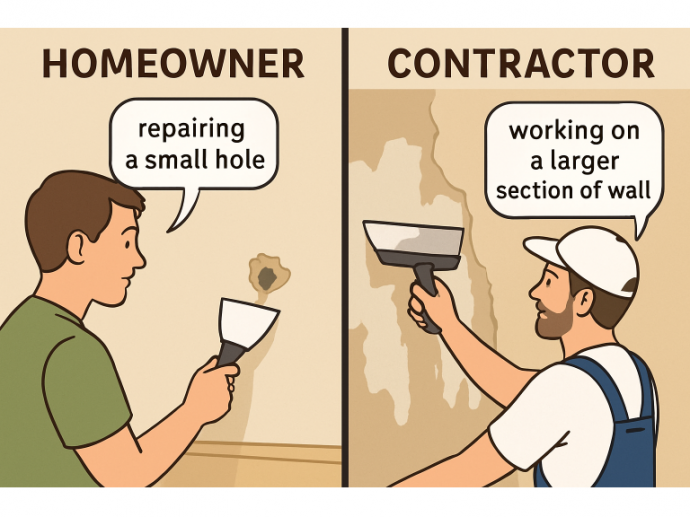
Choosing DIY or professional help depends on your situation. Small blemishes and simple cracks can often be fixed with DIY kits, but for water damage, large holes, or textured matching, a professional is best to protect your property’s appearance and value. Homeowners should consider their experience, time, safety, and desired finish before starting. A balanced approach based on repair complexity and personal comfort ensures effective, attractive results. For major repairs, professional expertise and equipment are invaluable.
Conclusion
Ultimately, the decision between DIY and professional drywall repair comes down to balancing cost, time, skill level, and the quality of results you expect. While tackling small, straightforward repairs yourself can be economical and satisfying, larger or more visible damage often demands precision and experience to achieve a flawless finish. Factoring in potential mistakes, safety concerns, and the time commitment involved helps clarify which option makes the most sense. By carefully evaluating the scope of the damage and your own capabilities, you can choose the approach that protects your home’s appearance, maintains its value, and delivers results you’ll be comfortable living with long term.
Comments
