Categories more
- Adventures (62)
- Arts / Collectables (14)
- Automotive (77)
- Aviation (65)
- Bath, Body, & Health (123)
- Children (6)
- Cigars / Spirits (71)
- Cuisine (66)
- Design/Architecture (22)
- Electronics (63)
- Entertainment (36)
- Event Planning (115)
- Fashion (45)
- Finance (10)
- Gifts / Misc (6)
- Home Decor (118)
- Jewelry (41)
- Pets (3)
- Philanthropy (1)
- Real Estate (16)
- Services (44)
- Sports / Golf (14)
- Vacation / Travel (85)
- Watches / Pens (33)
- Wines / Vines (34)
- Yachting / Boating (67)



The Quiet Shift Toward Precision Wellness in Luxury Living

Published
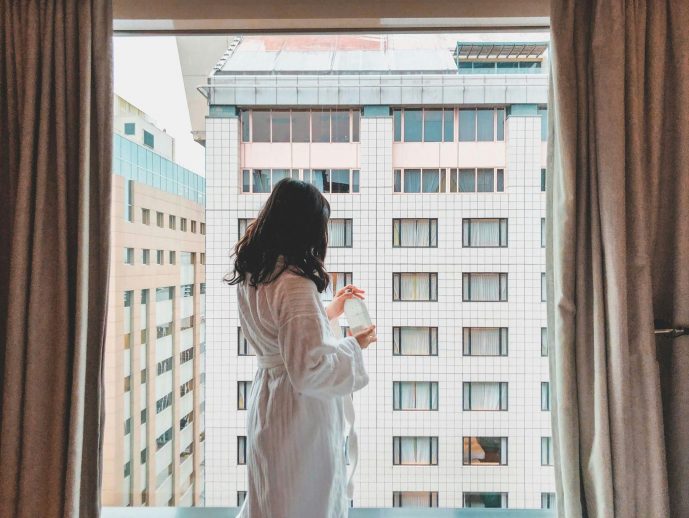
04/09/2026Luxury is no longer defined solely by visible symbols like fashion, travel, or real estate. Increasingly, it is expressed through personal systems, how people care for their health, manage their routines, and maintain consistency in areas that were once considered purely functional. Wellness has moved from being an occasional indulgence to becoming a daily standard, and with that shift, even the smallest habits are being reconsidered. From sleep optimization to oral care and recovery, the focus is no longer on doing more, but on doing things better, with intention and precision that fits seamlessly into everyday life.
This same philosophy can extend to personal care, where comfort and convenience are becoming increasingly important in modern wellness routines. For some individuals, a popular intimate procedure may be considered as part of a broader approach to maintaining comfort and confidence without adding unnecessary complexity.
Why Everyday Wellness Is Becoming More Refined
The modern approach to wellness is less about intensity and more about sustainability. Rather than adopting extreme routines that are difficult to maintain, individuals are focusing on habits that can be repeated consistently without disruption. This reflects a broader understanding that long-term results are built through small, reliable actions.
In luxury spaces, this refinement is especially noticeable. Wellness is no longer about excess or complexity, but about removing friction. The goal is to create systems that work effortlessly, allowing individuals to maintain their routines without constant adjustment or effort.
The Rise of Subtle Performance Optimization
Performance optimization used to be associated with athletes or high-performance environments. Today, it has become part of everyday life, particularly among those who value efficiency and longevity. This includes improving sleep quality, managing stress, and maintaining physical well-being through consistent habits.
What makes this shift different is its subtlety. Instead of dramatic changes, individuals are making small adjustments that compound over time. These changes are often integrated into existing routines, making them easier to maintain and more effective in the long run.
Where Oral Care Fits Into the Modern Wellness System
Oral care is one of the most overlooked aspects of wellness, yet it plays a significant role in overall health. It is also one of the easiest areas to improve through consistency rather than complexity. As routines become more refined, people are paying closer attention to how their daily habits support long-term outcomes.
In that process, some explore approaches discussed in resources like LivFresh, where the focus is on how oral care routines can be simplified while still supporting effective plaque management. This reflects the broader trend of integrating essential care into daily systems without adding unnecessary steps.
Redefining Comfort Through Daily Rituals
Luxury is increasingly tied to how comfortable and effortless daily life feels. This includes not only physical comfort but also mental ease, the ability to move through routines without friction or interruption. Small rituals, when designed thoughtfully, contribute significantly to this sense of ease.
These rituals are not about indulgence in the traditional sense. They are about creating moments of consistency and control in otherwise busy schedules. Over time, these small practices shape the overall experience of daily living.
Managing Stress Without Disrupting Routine
Stress management has become a central part of modern wellness, but the way it is approached has changed. Instead of relying solely on reactive solutions, people are integrating supportive elements into their routines that help maintain balance throughout the day.
For some, this includes exploring options such as Cannovia when considering how different products are positioned within broader conversations around relaxation and recovery. The emphasis remains on how these elements fit into an existing routine rather than replacing it entirely.
The Role of Consistency in Long-Term Well-Being
Consistency is often the defining factor in whether a wellness routine produces results. Occasional effort, no matter how intensive, tends to have less impact than small actions repeated daily. This principle applies across all areas of health, from nutrition to sleep and personal care.
The challenge is not understanding what needs to be done, but maintaining those actions over time. This is why simplicity and integration are becoming more important than complexity. When a routine fits naturally into daily life, it is more likely to be sustained.
Why Minimalism Is Influencing Wellness Choices
Minimalism has influenced not only design and lifestyle but also wellness. People are moving away from cluttered routines and toward streamlined systems that focus on what is essential. This approach reduces decision fatigue and makes it easier to maintain consistency.
In luxury contexts, minimalism is not about doing less, it is about doing what matters with greater precision. This mindset aligns with the broader shift toward intentional living, where each element of a routine serves a clear purpose.
What Research Suggests About Habit-Driven Health
Health research consistently highlights the importance of habits in shaping long-term outcomes. According to the Harvard Medical School, consistent daily behaviors play a critical role in maintaining overall health and preventing chronic conditions. This reinforces the idea that wellness is built through repetition rather than occasional intervention.
Understanding this principle helps explain why modern wellness trends are moving toward simplicity and sustainability. The goal is not to create perfect routines, but to create routines that can be maintained over time.
The Future of Luxury Is Personal and Practical
As wellness continues to evolve, luxury is becoming more personal and less visible. It is defined by how well daily systems support individual needs rather than how impressive they appear from the outside. This includes everything from sleep quality to personal care and stress management.
In this context, the most valuable routines are those that feel effortless while delivering consistent results. By focusing on integration, simplicity, and long-term sustainability, individuals are redefining what it means to live well, not through excess, but through precision and intention.
Comments
