Categories more
- Adventures (62)
- Arts / Collectables (14)
- Automotive (77)
- Aviation (65)
- Bath, Body, & Health (123)
- Children (6)
- Cigars / Spirits (71)
- Cuisine (66)
- Design/Architecture (22)
- Electronics (63)
- Entertainment (36)
- Event Planning (115)
- Fashion (45)
- Finance (10)
- Gifts / Misc (6)
- Home Decor (118)
- Jewelry (41)
- Pets (3)
- Philanthropy (1)
- Real Estate (16)
- Services (44)
- Sports / Golf (14)
- Vacation / Travel (85)
- Watches / Pens (33)
- Wines / Vines (34)
- Yachting / Boating (67)


The Quiet Status Sport: How Pickleball Became a Marker of Modern Luxury

Published
12/15/2025Pickleball doesn’t announce itself with spectacle. It’s a game that quietly finds its place in private clubs, sun-drenched resort courts, and carefully planned communities where leisure is chosen with intention. The appeal isn’t rooted in nostalgia or novelty. It reflects subtle shifts in modern luxury. Excess has given way to restraint. Participation has replaced display.
Among affluent circles, the value of an activity is often determined by how seamlessly it fits into daily life. Pickleball answers that instinct. It’s social without being performative, competitive without demanding obsession, and athletic without barriers. The game unfolds between meetings, before dinner, or over a weekend at home. The court becomes a place where conversation, movement, and focus coexist naturally.
This is why pickleball has found such a perfect home within contemporary luxury culture. It mirrors the priorities of those who favor refinement over excess and experiences over material goods. It’s about the details, the way the game feels, flows, and complements a lifestyle based on balance and discernment. What seems simple from the sidelines reveals a deeper sophistication once you step onto the court.
Leisure as a Quiet Signal of Taste
Luxury has become more reserved in recent years. The emphasis has shifted from accumulation to discernment, from objects that flaunt wealth to habits that suggest it. Leisure sits at the center of this evolution. How time is spent has become more significant than what is owned.
Pickleball fits perfectly into this mindset. It requires skill, but it also leaves room for conversation and spontaneity. Matches often unfold without rigid schedules or drawn-out rituals. Players arrive, play, talk, and then move on. There’s a natural fluidity to the experience that reflects lives built around autonomy.
In private communities and well-appointed clubs, the court has become a social crossroads. It’s where neighbors meet without the formality of introductions and where competition stays friendly but focused. The game isn’t about proving dominance. It’s about staying sharp, present, and connected.
The appeal lies in balance. Physical engagement without exhaustion. Strategy without intensity tipping into strain. Pickleball offers movement that complements a full life rather than dominating it. For those who value control over their time, that balance feels like its own form of luxury.
Design Choices That Reflect Personal Standards
At a certain level, equipment stops being an afterthought. It reflects how someone approaches the game and, by extension, how they approach everything else. In pickleball, that sensibility is most evident in paddle design.
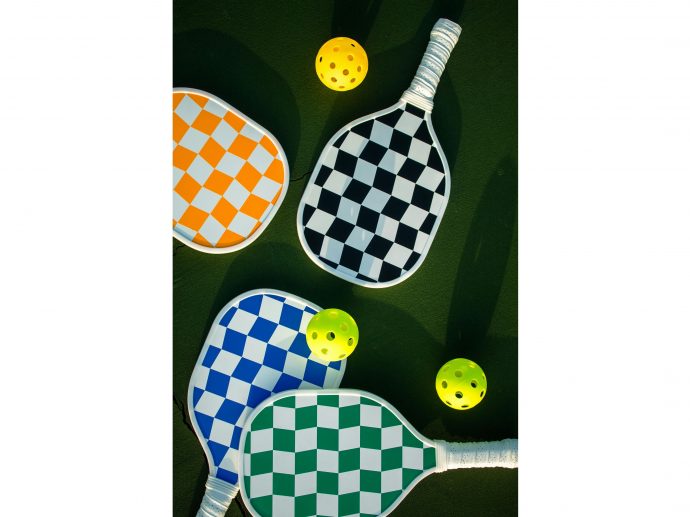
Shape matters. Balance matters. Reach, control, and feel all influence how the game unfolds, especially for players who value precision over raw power. Elongated paddles, in particular, have found favor among those who appreciate a bit more coverage at the net and a smoother transition between defense and attack. The difference may be subtle, but for experienced players, it’s immediately apparent.
That attention to detail explains why many gravitate toward an elongated paddle collection that prioritizes thoughtful construction and refined performance over visual flash. The appeal isn’t about standing out. It’s about choosing gear that responds intuitively and feels consistent from the first rally to the last.
Todd Skezas, CEO of Pickleball Nation, has spoken about this shift toward intentional design, noting that players are increasingly drawn to paddles that “reward control, balance, and confidence instead of raw power.” The observation aligns with what’s happening on courts across the country. Pickleball is maturing, and so are the expectations of its players.
Performance Without Flash
There’s a particular confidence that comes from not needing to advertise ability. On the pickleball court, that restraint often shows up in how players move and how their gear behaves. The most capable setups don’t demand attention. They respond cleanly, stay predictable, and allow the player to remain composed under pressure.
This preference for restraint mirrors a broader shift in luxury culture. Excess has given way to refinement. Materials are chosen for performance over time, not for how loudly they announce themselves. In pickleball, this means paddles engineered for consistency, touch, and reliability rather than exaggerated power or decorative finishes.
The game rewards this approach. Quick exchanges at the net demand calm hands. Soft resets and controlled drives tend to win more points than forceful swings. Players who prioritize feel over flash often dictate the pace without appearing to do so. Their advantage appears effortless, even when it’s the result of careful choices and practiced restraint.
In this way, performance becomes something you feel rather than see. It’s sensed in the way the paddle absorbs impact, in the confidence of a well-placed shot, and in the quiet satisfaction of control maintained throughout a match.
Private Courts and the New Social Arena
Pickleball’s growth has followed a very specific path. It hasn’t been driven by stadiums or televised spectacle, but by private spaces designed for everyday use. Residential developments, boutique resorts, and members-only clubs have woven courts into their layouts with the same care given to pools or fitness studios.
These settings shape the game experience. Matches feel personal rather than performative. Players often know one another or get to know each other quickly. The court becomes a place where familiarity forms through shared rhythm rather than formal introductions. Conversation flows as naturally as play.
This environment reinforces pickleball’s role as a social connector. It brings together people who value approachability and presence over hierarchy. Skill matters, but attitude matters more. Courtesy, pace, and awareness of others carry weight. The game rewards those who understand when to press and when to ease off.
In these quieter arenas, pickleball functions as a kind of modern commons. It offers structure without stiffness and competition without distance. For communities built around quality of life, that balance makes the court an essential gathering place rather than a mere amenity.
Craftsmanship, Materials, and the Feel of Modern Play
Pickleball’s rise hasn’t occurred in isolation. As more people weave the game into their daily routines, expectations around how it feels to play have sharpened. The conversation has broadened beyond rules and scorekeeping to include comfort, longevity, and how seamlessly the sport fits into a full life.
That broader appeal has been well documented. Coverage in the New York Times on why pickleball has become the fastest-growing sport in America highlights its blend of accessibility, movement, and social ease, qualities that resonate far beyond traditional athletic circles. Growth at that scale inevitably raises the bar for what players expect once they step onto the court.
In response, equipment has become more considered. Materials are selected for stability and responsiveness rather than novelty. Subtle refinements in surface texture, core composition, and balance shape the experience in ways that are felt more than noticed. The paddle’s role is to stay reliable, letting the player focus on rhythm and placement rather than correction.
This attention to feel reflects the game’s current moment. As pickleball continues to settle into refined spaces, craftsmanship serves a clear purpose. It supports consistency, reduces friction, and keeps the experience fluid. The best gear doesn’t announce itself. It quietly keeps pace with the player and the lifestyle the game now inhabits.
The Future of Luxury Leisure
Pickleball feels like it’s arrived, yet it still carries the ease of something discovered through word of mouth rather than spectacle. A court appears behind the clubhouse. A resort adds morning play alongside spa hours. A residential development highlights shaded seating and thoughtful lighting with the same care given to its pool deck. The sport keeps finding its way into well-designed spaces because it belongs there.
Its appeal rests in how gracefully it fits around a full life. The game offers genuine movement without demanding hours of preparation. It’s social without tipping into performance. Some days invite intensity. Others call for a lighter touch. Either way, the time spent feels well chosen.
A quiet style code has taken hold. The look stays restrained. The mood is friendly, confident, and unforced. Attention shifts to small details, the feel of a paddle at contact, the pace of play, and the ease with which players hold their ground at the net. Taste reveals itself without explanation.
At home, the same sensibility shows up in the way courts are being built. Cleaner sightlines. Better lighting. More privacy. Layouts that make room for lingering after the last point. This thinking is reflected in the rise of luxury home pickleball courts, the ultimate backyard upgrade.
Pickleball’s place in luxury culture will keep expanding for the same reason it took hold in the first place. It offers a modern form of leisure that feels social, active, and quietly confident, an experience that enhances daily life without asking to be center stage.
Comments
