Categories more
- Adventures (62)
- Arts / Collectables (14)
- Automotive (77)
- Aviation (65)
- Bath, Body, & Health (123)
- Children (6)
- Cigars / Spirits (71)
- Cuisine (66)
- Design/Architecture (22)
- Electronics (63)
- Entertainment (36)
- Event Planning (115)
- Fashion (45)
- Finance (10)
- Gifts / Misc (6)
- Home Decor (118)
- Jewelry (41)
- Pets (3)
- Philanthropy (1)
- Real Estate (16)
- Services (44)
- Sports / Golf (14)
- Vacation / Travel (85)
- Watches / Pens (33)
- Wines / Vines (34)
- Yachting / Boating (67)



The Resurgence of Earthy Elegance in Modern Luxury Interiors

Published
08/04/2026The definition of luxury within the Australian interior design market has undergone a profound transformation. Valued at 2.6 billion dollars recently, the industry is increasingly driven by a consumer demand for sustainable, eco-friendly materials that foster a sense of well-being. Today's high-end estates are trading stark, clinical finishes for authentic, character-rich materials, a movement perfectly aligned with the rise of sustainable luxury in modern interior design. This conscious shift away from mass-produced synthetics has paved the way for "Quiet Luxury", a design philosophy that champions natural textures, muted palettes, and impeccable artisanal craftsmanship.
The Allure of Organic Textures
In 2026, top interior designers are actively replacing luxury vinyls and cool-toned grey woods with authentic, warm materials. The focus is now on creating personalised environments that feel deeply rooted in nature. This biophilic approach dominates Australian luxury interiors, heavily emphasising the use of tactile surfaces to create indoor-outdoor connections that reduce stress and improve mental well-being. By integrating these organic elements, designers are redefining what it means to live luxuriously, prioritising comfort, sensory engagement, and a harmonious relationship with the surrounding environment.
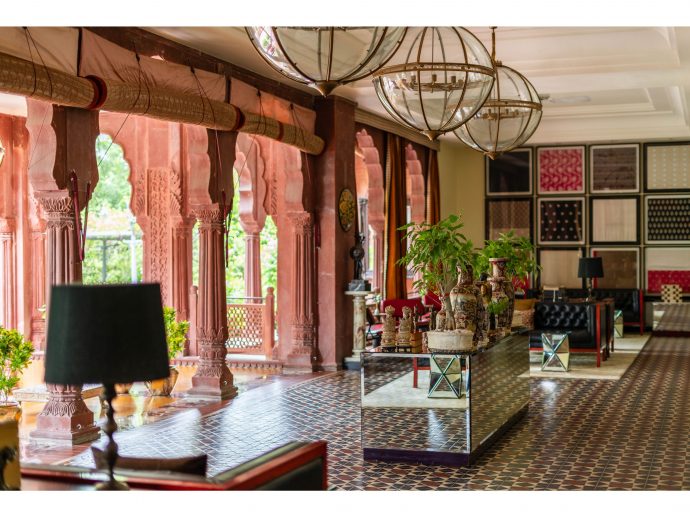
When curating authentic textures for your tile flooring terracotta stands out as a premium option that brings an unmatched warmth and Mediterranean sophistication to the home. This earthy material effortlessly bridges the gap between a rustic coastal retreat and a contemporary urban mansion. Its enduring appeal lies in its natural imperfections, which add character and depth to any room. Notable contemporary developments, such as the Indi Sydney tower, deliberately incorporate distinctive earthy hues to introduce organic warmth and reference traditional vernaculars within modern, high-rise settings.
Combining Aesthetic Warmth with Functional Sustainability
The appeal of these natural elements extends far beyond their visual charm. Incorporating high-density materials plays a significant role in improving a property's energy star rating under the Nationwide House Energy Rating Scheme (NatHERS). In Australian climates that experience large daily temperature shifts of over 10 degrees Celsius, exposed high-mass flooring can substantially reduce winter heating bills. The material absorbs solar heat during the day and gently releases it as temperatures drop at night. Recent building energy compliance analyses demonstrate that strategically utilising high thermal mass materials can result in nearly an 11 percent reduction in a residential space's heating demand.
Beyond its Mediterranean aesthetic, architectural research from the University at Buffalo highlights that terra cotta breathes and acts as a natural system to transfer heat, providing exceptional thermal mass while remaining durable enough to last hundreds of years. This functional superiority proves that luxury and sustainability can seamlessly coexist. The Australian Government's passive design guidelines also recommend utilising high thermal mass materials on ground-floor levels to maximise their direct connection to the earth's stabilising temperatures.
Key Elements of Earthy Elegance in the Home
Integrating earthy elegance into a luxury property involves a deliberate focus on craftsmanship and organic continuity. Top Australian designers showcase how these materials can be utilised to elevate high-end spaces. For instance, Studio Minosa's recent award-winning kitchen design earned accolades for seamlessly blending earthy clay accents with premium materials like quartzite and liquid metal.
To successfully bring this sophisticated trend into your own living spaces, consider the following design strategies:
- Embrace tactile surfaces by swapping high-gloss synthetics for materials that invite touch, such as honed stone, cork, bamboo, and natural clay.
- Adopt a muted, organic palette to ground your interior with rich ochres, warm terracottas, and soft sage greens that reflect the natural Australian landscape.
- Foster indoor-outdoor connections by extending natural flooring materials from interior living spaces out to alfresco dining areas, which creates a seamless, biophilic flow that enhances mental well-being.
- Prioritise thermal mass by leaving high-mass interior walls or floors exposed rather than covering them with thick rugs or synthetic insulators. This maximises the material's natural capacity to regulate ambient temperatures.
The resurgence of earthy materials in luxury interiors highlights a broader desire for authenticity and connection to the natural world. By choosing tactile, sustainable, and high-quality architectural elements, homeowners can create bespoke environments that feel effortlessly elegant and intimately welcoming. Ultimately, this organic approach ensures that luxury living spaces remain timeless, highly comfortable, and deeply grounded in their environment.
Comments
