Categories more
- Adventures (62)
- Arts / Collectables (14)
- Automotive (77)
- Aviation (59)
- Bath, Body, & Health (123)
- Children (6)
- Cigars / Spirits (71)
- Cuisine (65)
- Design/Architecture (22)
- Electronics (63)
- Entertainment (23)
- Event Planning (59)
- Fashion (45)
- Finance (10)
- Gifts / Misc (6)
- Home Decor (45)
- Jewelry (41)
- Pets (3)
- Philanthropy (1)
- Real Estate (16)
- Services (23)
- Sports / Golf (14)
- Vacation / Travel (69)
- Watches / Pens (14)
- Wines / Vines (33)
- Yachting / Boating (67)


The Rise of At-Home Recovery: How Cold Plunge Technology Is Changing Modern Wellness

Published
08/21/2026Not long ago, recovery was something you went somewhere else to do. You booked a massage, visited a spa, joined a well-equipped gym, or made a trip to a recovery studio after a demanding week.
Now, more of that experience is moving home.
Home gyms were an early sign of the shift, but the idea has expanded well beyond treadmills and dumbbells. Saunas, red-light panels, massage equipment, and cold plunges are finding their way into patios, spare rooms, and purpose-built wellness spaces.
Cold plunging fits particularly well into this change. The practice itself is nothing new. What feels new is how easy it has become to build around everyday life.
When Recovery Becomes Part of the Home
There is a quiet luxury in not having to schedule everything.
A spa visit can be wonderful, but it still requires an appointment and time out of the day. Even a premium recovery center only works when you can get there.
At home, there are fewer steps.
A runner can finish a long Sunday session and head straight to the plunge. Someone with a home gym can move from training to recovery without getting in the car. Others use cold water in the morning, not because they're training for anything in particular, but because they enjoy the sharp reset it gives them before work.
That's one reason recovery-focused spaces are increasingly appearing in luxury homes and wellness-oriented properties. Cold plunges, saunas and dedicated fitness rooms are becoming part of the environment rather than occasional experiences.
Cold Plunging Has a Convenience Problem
The basic idea of an ice bath couldn't be simpler: tub, water, ice.
Doing it regularly is another matter.
You need enough ice. You need somewhere to store or buy it. Then there's the guessing game of how many bags will actually bring the water to the temperature you want.
Do the same thing three days later and the result may be completely different because the starting water is warmer or the weather has changed.
That doesn't matter much for an occasional ice bath. Once cold immersion becomes a regular routine, though, the preparation starts to feel like part of the workout.
Technology has gradually removed much of that friction.
From Bags of Ice to Controlled Cooling
The biggest change hasn't been the tub itself. It's what happens to the water.
Instead of adding ice manually, modern systems can cool and circulate water continuously. For someone building a regular home routine, a cold plunge with chiller makes it possible to bring the tub and cooling system together, reducing the need to recreate an ice bath from scratch every time.
The appeal isn't really about achieving the lowest possible temperature.
It's predictability.
If you've found a water temperature that works for you, being able to return to roughly the same conditions next time makes the whole experience easier to repeat.
And repeatability is often what separates an interesting wellness experiment from a routine that actually lasts.
The Cold Plunge Is Becoming a Complete System
Traditional ice baths didn't need much supporting equipment. Today's home setups can take care of considerably more behind the scenes.
A cooling unit manages temperature. A pump keeps water circulating. Filtration can make water easier to maintain between sessions.
None of these things fundamentally changes cold-water immersion. They simply reduce the work surrounding it.
It's similar to the difference between owning a few pieces of exercise equipment and having a home gym that feels genuinely pleasant to use. The equipment matters, but so does the experience around it.
Is everything ready when you need it? Is it easy to maintain? Does using it require twenty minutes of preparation?
Those small details become surprisingly important once the novelty wears off.
The Backyard Is Becoming the New Recovery Room
Cold plunge technology is changing the spaces around it, too.
The familiar DIY ice bath might live in a garage or on a driveway. A more permanent setup can become part of the home itself.
Plunge tubs are now appearing alongside saunas, swimming pools and outdoor showers. Others sit inside home gyms or dedicated wellness rooms. Luxury hotels and residences are following a similar pattern, incorporating cold plunges alongside more traditional spa and fitness amenities.
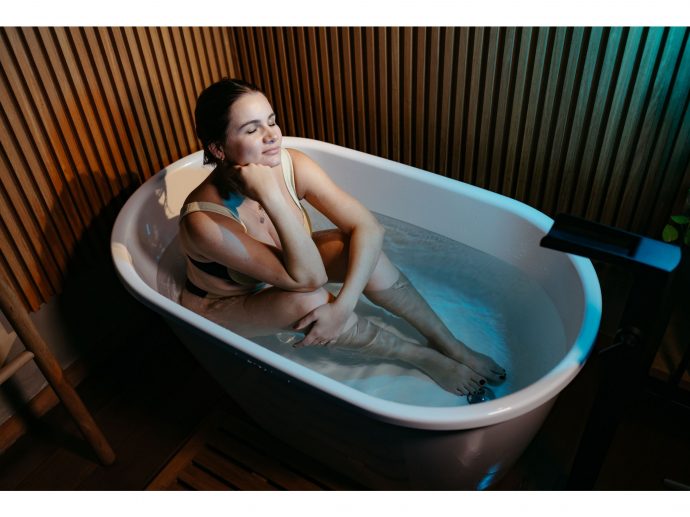
The result can feel less like having a piece of fitness equipment and more like having a small private recovery space.
For people who value privacy, that's part of the appeal. There's no commute, no appointment and no need to fit the experience around somebody else's opening hours.
Extreme Cold Isn't the Point
Spend enough time watching cold-plunge videos and you'd be forgiven for thinking it's a competitive sport.
Temperatures keep dropping. Sessions get longer. Someone inevitably adds another bucket of ice.
Daily use tends to change those priorities.
Instead of asking, How cold can I tolerate?, the questions become more practical:
Is the water ready? Is the temperature comfortable for the routine I've chosen? Is the system easy to keep clean? Can I actually fit this into a normal morning?
Those questions aren't dramatic, but they're probably more relevant to long-term use.
A plunge you comfortably use several times a week is more valuable than an extreme setup you stop using after a month.
A More Personal Kind of Wellness
At-home recovery also leaves room for people to develop their own routines.
A runner might use cold water after demanding training days. Someone else may prefer a brief morning plunge. Another person might combine a sauna and cold plunge on weekends and leave it alone for the rest of the week.
There's no reason those routines need to look alike.
That personalization is increasingly part of modern wellness. The home isn't being filled with recovery equipment simply for the sake of having more technology; ideally, the technology adapts to how someone actually wants to live.
For readers considering turning the occasional ice bath into something more permanent, Plunge Chill offers complete tub-and-chiller setups designed around home use. There's also a useful perk for anyone ready to build out their own recovery corner: code Plunge10 takes 10% off a setup at checkout. ThePlunge Chill Cold Plunge Bundles offer a closer look at how the tub-and-chiller approach can work in different home spaces.
What Makes a Good Home Setup?
Before choosing a plunge, it's worth thinking beyond water temperature.
Where will it live? A backyard, garage gym and indoor wellness room each bring different considerations around drainage, power and weather exposure.
Tub size matters, but bigger isn't automatically better. Cooling capacity becomes more relevant in warmer climates and with larger volumes of water. Filtration deserves attention if the same water will be used repeatedly, while noise can matter more than expected when a chiller sits close to a living or relaxation area.
A good setup should disappear into the routine rather than constantly demand attention.
FAQ
Do you need a chiller for a home cold plunge?
Not necessarily. Ice works well for occasional use. A chiller becomes more practical when cold plunging regularly because it reduces repeated ice preparation and makes temperature easier to control.
Is colder water always better?
No. The goal doesn't need to be the lowest temperature you can tolerate. A manageable, repeatable temperature makes far more sense for a regular home routine.
Can a cold plunge be part of an outdoor wellness space?
Yes. Patios and backyard wellness areas are common locations, particularly alongside saunas or home gyms. Power, drainage, weather protection and the equipment manufacturer's placement guidance should be considered.
The New Luxury May Simply Be Easier Access
Perhaps the most interesting thing about at-home recovery isn't the equipment at all.
It's having the experience available when you want it.
No appointment. No drive across town. No last-minute search for bags of ice.
Modern luxury is increasingly connected with privacy, time, well-being and spaces designed around daily rituals rather than display alone. Luxury Lifestyle itself has documented that broader shift toward recovery-oriented homes and personalized wellness spaces.
Cold plunge technology fits neatly into that idea.
It hasn't reinvented cold water. It has simply made an old recovery ritual easier to control, easier to repeat and, most importantly, easier to make part of real life.
You have not enough Humanizer words left. Upgrade your Surfer plan.
Comments
