Categories more
- Adventures (177)
- Arts / Collectables (170)
- Automotive (173)
- Aviation (230)
- Bath, Body, & Health (386)
- Children (81)
- Cigars / Spirits (193)
- Cuisine (520)
- Design/Architecture (276)
- Electronics (166)
- Entertainment (125)
- Event Planning (251)
- Fashion (377)
- Finance (96)
- Gifts / Misc (102)
- Home Decor (404)
- Jewelry (259)
- Pets (54)
- Philanthropy (45)
- Real Estate (246)
- Services (160)
- Sports / Golf (154)
- Vacation / Travel (865)
- Watches / Pens (165)
- Wines / Vines (625)
- Yachting / Boating (223)


The Rise of Glass Architecture in Contemporary House Designs Across Europe


Published
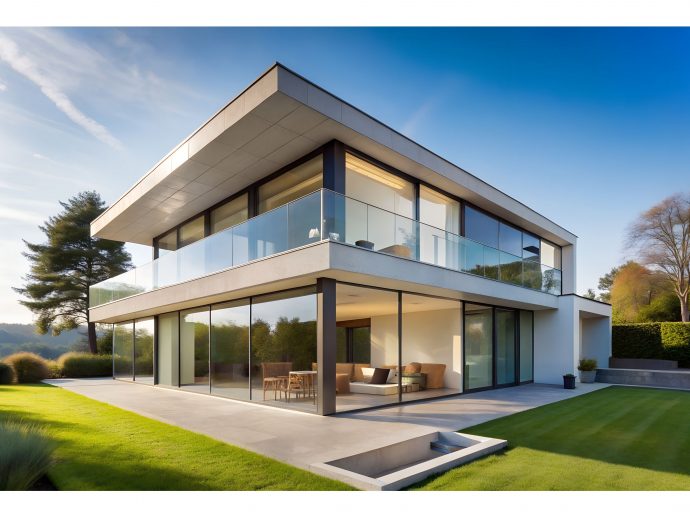
12/15/2025Look across Europe. People in the 2010s were more inclined to houses with thicker walls, fewer windows, and practical setups. But starting in the 2020s, more people in countries like France, Czechia, and Slovakia prefer their houses to be more transparent and have more natural light.
What was once an unconventional preference has now become a trend. Modular housing supports this shift, reducing construction time by up to 50%, cutting costs by up to 20%, and lowering emissions by up to 22%. This makes these designs more efficient and sustainable. (1)
Beyond being a trend, this is a change in how people live. It's like living in a cozy forest. Sunlight pours in through the large glass walls, and trees peek through the windows. In this design, architects and homeowners are rethinking modern homes by blending style and fresh ideas.
Read on to learn how glass architecture is shaping contemporary house designs across Europe.
Trends in European Glass Architecture
Contemporary European homes are changing room setups and looks. Houses with glass architecture are a great example, making surroundings feel more lively. To bring this idea to life, homeowners and architects turn to precision methods.
More specifically, they team up with people who are experts in premium prefabricated modular homes. This creates European-inspired contemporary house designs. These designs use expansive glass to create natural light and an open feel. Companies like Tenmar specialize in premium prefabricated modular homes that support glass-forward architectural concepts, helping homeowners achieve contemporary European designs with efficient construction and sustainable materials.
Here are some of the trends that are affecting how these contemporary homes are designed:
Floor-to-ceiling windows
Full-height glazing lets more natural light in. This makes the rooms inside the house more cheerful and welcoming. With this extra daylight, homeowners don't have to use much artificial light during the day. Research has also shown that daylight improves visual comfort and supports better mood, productivity, and well-being. (2)
Moreover, with a floor-to-ceiling glass house plan, the inside and outside areas look like they are linked. A smooth visual connection that gives the whole living space a more open and airy feel. It's a design feature that makes the lines between inside and outside less clear.
Open-plan layouts
Modern designs favor open floor plans. True openness is achieved by linking inside and outside smoothly. When there are fewer solid walls, light and views can move freely. It makes the interiors feel less confined.
In other words, there is a balance between openness and separation. Design like this uses sliding glass or track-mounted glass dividers to allow reconfiguration and flexible zoning.
Integration with nature
One of the main ideas of contemporary house designs is to bring home and nature together. Some European homes and flats purposely optimize natural light, views, and landscape connection.
This is accomplished through a well-thought-out design approach. Using glass as a "seamless border" in architecture makes it look like the interior space goes straight to the garden or landscape.
These trends make glass architecture an important element in contemporary homes.
Benefits of Glass in Residential Design
Glass is a versatile material. That's why it is used for walls, railings, windows, and even furniture in contemporary. It is useful for different aesthetic and structural needs.
Here are the benefits that make it a preferred choice for modern homes:
Visual connection
Enter a house where the line between indoors and outdoors simply fades away. Glass architecture weaves nature into your everyday life. In essence, it feels like there's more life in a house with glass architecture.
From your living room, you can watch the seasons slowly repaint the trees and sky like a living canvas. This is the visual connection some European designers create. They make your home feel full of sunlight, views, and life.
Modern aesthetics
Glass inherently prevents visual concealment. In architectural design, this transparency is often a feature that encourages openness and visibility. Some architects use glass to expose structural honesty.
The distracting details are removed. Doing this reveals a home's framework, such as steel support or wooden beams. It makes the house look better, and it makes the room feel inviting.
Versatile design options
Glass is a design tool in European architecture, instead of just a window material. It manipulates space and shapes the people's perception of interiors and exteriors. Europe produces 30 to 40 million metric tons of flat glass annually for windows, façades, and doors. This reflects its central role in construction. (3)
You can create anything from eye-catching geometric shapes to smooth, natural ones. Some homeowners even prefer to use modern glass like low-emissivity glass or smart glass that supports energy efficiency. The glass that meets your home design goals can also help in lowering energy bills.
These benefits show how glass has become an important feature in contemporary architecture. It makes homes brighter, more attractive, and versatile.
Notable Contemporary Glass Houses in Europe
Look at the world through a crystal lens. This is what the Glass Pavilion in the Netherlands suggests. Its form celebrates transparency, creating a consistently striking visual experience.
The design creates an open area that makes you feel closely connected to the sky and the park around it. The extensive glass surfaces make the space brighter and more visually appealing.
In this way, openness becomes one of its most distinctive design features.
In Switzerland, Villa Vals strikes a perfect balance. Carved into a mountainside, it blends sharp modern lines with the wild alpine landscape.
Glass and concrete frame stunning valley views like living paintings. Inside, light and scenery shape every corner. Rooms glow with natural brightness. This proves glass lifts a home from simple shelter to artistic wonder.
Meanwhile, Haus K in Germany shows a calm, disciplined approach to design. Large windows let in light and views, but strong walls and careful planning make sure the space is private and comfortable.
In a gentle way, the house shows how good window placement can sharpen the design and make everyday spaces feel clean and modern.
Final Thoughts
The growing use of glass architecture in some contemporary European homes reflects a clear desire for light-filled, open, visually linked living spaces. Designers still have to juggle simple but important needs like privacy, warmth, and easy cleaning. Even so, many owners and architects are drawn to the daylight, views, and flexible layouts that glass architecture can offer.
Reference:
- "Can Prefabricated And Modular Homes Make Construction More Sustainable?", Source: https://www.forbes.com/sites/jamiehailstone/2025/04/04/can-prefabricated-and-modular-homes-make-construction-more-sustainable/
- "The visual and non-visual effects of annual daylighting performance on middle school students: A longitudinal field survey of classrooms in Eastern China", Source: https://www.sciencedirect.com/science/article/abs/pii/S0378778825000945
- "https://www.statista.com/statistics/1154296/glass-production-eu/", Source: https://www.statista.com/statistics/1154296/glass-production-eu/
Comments
