Categories more
- Adventures (62)
- Arts / Collectables (14)
- Automotive (77)
- Aviation (65)
- Bath, Body, & Health (123)
- Children (6)
- Cigars / Spirits (71)
- Cuisine (66)
- Design/Architecture (22)
- Electronics (63)
- Entertainment (36)
- Event Planning (115)
- Fashion (45)
- Finance (10)
- Gifts / Misc (6)
- Home Decor (118)
- Jewelry (41)
- Pets (3)
- Philanthropy (1)
- Real Estate (16)
- Services (44)
- Sports / Golf (14)
- Vacation / Travel (85)
- Watches / Pens (33)
- Wines / Vines (34)
- Yachting / Boating (67)


The Rise of Luxury Amenities in Modern Apartment Living

Published
05/13/2026As of April 2026, the concept of luxury apartment living in downtown urban settings has evolved far beyond mere square footage or a prestigious address. Today, it encompasses a holistic experience, blending unparalleled comfort, cutting-edge technology, and thoughtfully designed spaces that cater to a sophisticated urban lifestyle. At its core, a luxury high-rise apartment is defined by its commitment to superior quality and an elevated resident experience.
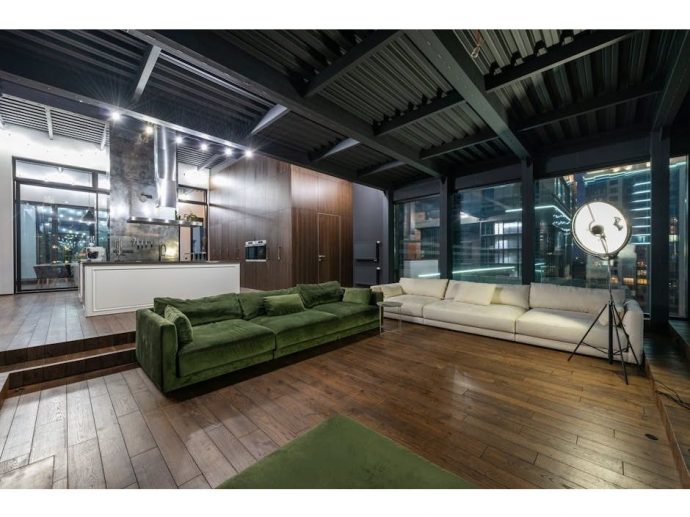
When we step inside these residences, the attention to detail is immediately apparent. High-end finishes are a hallmark, with materials such as granite countertops, bamboo floors, and designer tile creating an atmosphere of refined elegance. Appliances are invariably top-tier, often stainless steel, and integrated seamlessly into chef-caliber kitchens that feature gas ranges, wine refrigerators, and soft-close drawers. Practical considerations are also elevated; for instance, many units boast easy-to-clean dual pane tilt-in windows, full-size in-unit laundry, and Toto plumbing fixtures.
A key differentiator for luxury high-rises is the emphasis on natural light and expansive views. Residences are often designed with floor-to-ceiling windows, offering panoramic vistas of the downtown cityscape, mountains, or waterfront. Some unique properties, like The Lofts @ 1060 Fulton in Fresno, go further, with custom-designed residences featuring a minimum of ten windows per unit to maximize the downtown experience. Even the bathrooms can become a statement of luxury, with features like deep soaking tubs and unique materials, such as Tennessee Walnut marble sourced from the building itself, adding a touch of bespoke character.
Tech-Powered Convenience in Luxury Apartment Living
The modern luxury high-rise is inherently smart. Technology is not just an add-on; it's woven into the very fabric of the living experience, ensuring convenience, security, and efficiency. Gigabit-capable internet and fiber-optic connectivity are standard, supporting the demands of remote work and high-definition entertainment.
Security is paramount, with advanced systems like facial recognition for building access and touchless entry points becoming increasingly common. For vehicle owners, the innovative integration of automated parking systems, such as Seattle’s first-of-its-kind Sotefin™ technology at Spire Seattle, transforms a mundane task into a seamless, efficient process. Residents simply drive into a transfer cabin, and the system handles the rest. These residences are often smart-home-ready, allowing residents to control lighting, climate, and security with ease, often through custom-built mobile apps that also facilitate contact-free services like package delivery and virtual event access.
Wellness and Community Spaces
Beyond the individual units, luxury high-rises distinguish themselves through an extensive array of premium amenities designed to foster wellness, community, and an enriched lifestyle. These are not just basic facilities but often resort-style offerings that rival high-end clubs.
State-of-the-art fitness studios, often with Fitness-On-Demand technology and dedicated yoga rooms, cater to residents' health regimens. Rooftop pools and sun decks provide urban oases for relaxation and socializing. For the growing number of remote professionals, co-working pods and dedicated conference rooms offer productive alternatives to traditional offices.
Pet policies have also evolved to cater to modern urban lifestyles. With approximately 60% of Americans owning at least one pet, pet-friendly amenities are no longer a luxury but an expectation. Many luxury high-rises accommodate a two-pet limit and offer dedicated pet runs or "pooch parlors," ensuring furry companions are as comfortable as their owners. Tower 12 in Seattle, for example, boasts a pet run, while Adeline in Phoenix features a "pooch parlor." Community features often extend to planned social activities, reservable sky lounges, movie theaters, and even on-site spas or delis, creating a vibrant, engaged community.
Here's a comparison of how luxury amenities have evolved:
Architectural Innovation and the Modern Skyline
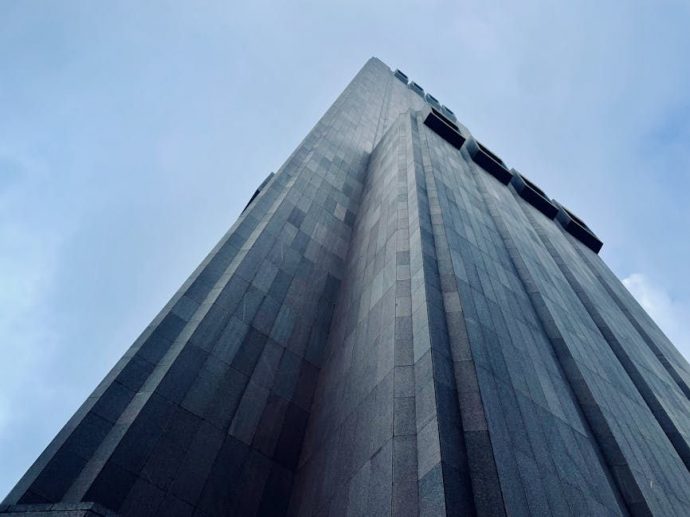
The high-rise buildings gracing our downtown skylines today are more than just tall structures; they are statements of architectural innovation, pushing boundaries in design, engineering, and sustainability. As of April 2026, these towers are defining the aesthetic and functional future of urban landscapes.
Many contemporary high-rises embrace unique architectural philosophies, moving beyond conventional designs. For instance, the Wilshire Grand Center in Los Angeles, the tallest building on the West Coast at 1,100 feet, is notable for being the first skyscraper in Los Angeles without a flat roof, its design mirroring the curvature of Yosemite’s Half Dome. This "Metamodernism" represents a reaction to postmodernism, emphasizing bold, often sculptural forms. Similarly, Spire Seattle, standing 41 stories and 440 feet above the city, boasts a prismatic design that enhances the Seattle skyline and offers optimal views, positioned as the closest high-rise to the iconic Space Needle. These buildings are not merely functional; they are designed to be iconic additions, contributing significantly to the visual identity of their cities.
Sustainable engineering is another cornerstone of modern high-rise development. Many new constructions aim for high environmental standards, such as LEED Gold certification. This includes features like advanced water recycling systems that reduce water usage by up to 30%, thermal energy storage, and technologies that optimize oxygen, light, and acoustic levels within the building. This commitment to sustainability reflects a broader urban ethos towards eco-conscious living.
The sheer scale and ambition of these projects are remarkable. NEMA Chicago, for example, is the city’s tallest rental residence at 76 stories, offering unprecedented views and extensive amenity spaces. Block 216 in Portland, a 35-story tower and the city's fourth tallest, integrates premium office space with the city's first five-star Ritz-Carlton hotel, showcasing mixed-use development at its finest. These towering structures, with their sky lobbies and innovative construction techniques, represent the pinnacle of modern engineering and design, offering residents a truly elevated living experience within a vibrant urban core. For those interested in exploring the pinnacle of urban living, understanding modern high-rise residential options is key.
Historic Character and Urban Connectivity
Modern luxury high-rises are not just about new construction; they also represent a fascinating trend of adaptive reuse, where historic buildings are reimagined and revitalized to meet contemporary demands. This approach allows downtown areas to retain their unique character while integrating modern luxury features, creating a rich tapestry of old and new.
A prime example of this is The Rice in Houston, a landmark building that has hosted U.S. Presidents and A-listers. It has been re-envisioned into luxury apartments, blending its rich historic legacy with contemporary industrial loft-style living. Similarly, The 600 Apartments in Birmingham, the city’s tallest residential address in its Central Business District, was once an iconic AT&T tower. It has been transformed into 404 luxury homes, preserving its timeless character while adding modern design and amenities. Even in Fresno, The Lofts @ 1060 Fulton, the city's tallest skyscraper, integrates exposed concrete ceilings and brick veneer walls, celebrating its industrial roots within a modern residential context. These projects breathe new life into downtown neighborhoods, contributing to their cultural revival by preserving architectural heritage.
The Impact of Location on Luxury Apartment Living
The allure of luxury high-rise living is inextricably linked to its downtown location. Residents seek not just a home, but a lifestyle, and proximity to urban conveniences is paramount. These buildings are strategically placed within Central Business Districts, offering unbeatable access to a vibrant ecosystem of dining, shopping, and entertainment.
Consider the dynamic downtown Phoenix area, where luxury high-rises like Adeline place residents directly across from major sports venues and steps from new bistros, emphasizing walkability and cultural vibrancy. In Seattle, residents of Tower 12 find themselves just steps away from iconic destinations like Pike’s Place Market, award-winning restaurants, and the Westlake Shopping Center, with easy access to the Moore Theater, Seattle Center, and Climate Pledge Arena. NEMA Chicago's location near Grant Park and the South Loop offers residents immediate access to green spaces and cultural institutions. This urban energy, combined with well-designed pedestrian environments, makes downtown high-rise living incredibly appealing. Excellent transit access, whether via public transportation or major highways like I-5, further enhances connectivity, allowing residents to seamlessly navigate the city.
Skyline Contributions and Economic Impact
High-rises play a pivotal role in shaping the identity of downtown neighborhoods, contributing significantly to both their skyline and their economic vitality. Each new tower, especially those with unique architectural elements, becomes a landmark, drawing attention and investment.
The construction and operation of these large-scale developments generate substantial economic impact. For instance, the Wilshire Grand Center in Los Angeles created 11,500 local jobs during its construction phase and continues to generate significant annual tax revenue. Beyond job creation, these projects often catalyze further development, fostering a broader cultural and economic revival in downtown areas. Many high-rises are part of mixed-use developments, integrating retail, restaurants, and even five-star hotels directly into their bases. Block 216 in Portland, for example, not only adds to the city's skyline but also brings a luxury hotel and premium office spaces, creating a self-contained urban hub. These architectural masterpieces are more than just buildings; they are skyline icons that symbolize urban progress and contribute to the enduring appeal of downtown living. For more insights into how these structures enhance cityscapes, exploring articles about skyline-view luxury apartments can be beneficial.
Frequently Asked Questions about High-Rise Living
As the appeal of downtown high-rise living continues to grow in April 2026, many prospective residents have common questions about what makes these urban residences unique. We aim to address some of these here.
What architectural features define modern high-rises?
Modern high-rises are characterized by innovative architectural features that prioritize aesthetics, functionality, and sustainability. We often see Metamodernist designs, which move beyond traditional forms, sometimes even eschewing flat roofs in favor of more sculptural, dynamic silhouettes, as exemplified by the Wilshire Grand Center. Floor-to-ceiling glass windows are ubiquitous, maximizing natural light and offering expansive panoramic views. Inside, high-speed double-decker elevators ensure efficient vertical transportation. In seismically active regions, advanced engineering, such as earthquake shock absorbers, is integrated for safety. Prismatic facades, like those seen in Spire Seattle, add visual interest and reflect light uniquely, making these buildings stand out in the urban landscape.
How do luxury apartments integrate with historic neighborhoods?
The integration of luxury apartments into historic neighborhoods often involves adaptive reuse, a process where older, significant buildings are repurposed for modern residential use. This approach allows for the preservation of architectural heritage while introducing contemporary amenities. Examples include the conversion of landmark towers like The Rice in Houston or the former AT&T tower that became The 600 Apartments in Birmingham. Developers often preserve original elements like marble and brick, blending industrial aesthetics with modern smart technology and designer finishes. This creates unique living spaces that offer a sense of history alongside cutting-edge comfort. These high-rises are frequently situated within or adjacent to cultural districts, enhancing their connection to the neighborhood's character.
What are the most common community amenities in downtown towers?
Downtown luxury towers are renowned for their extensive suite of community amenities, designed to provide residents with convenience, recreation, and social opportunities. Among the most common are 24/7 concierge services, offering personalized assistance and enhanced security. Rooftop sky lounges, often featuring professional-grade gas grills and custom gas fireplaces, provide breathtaking views and spaces for relaxation and entertaining. State-of-the-art fitness centers, sometimes including yoga studios and Fitness-On-Demand technology, cater to health and wellness. Co-working spaces and business centers are increasingly standard, supporting the rise of remote work. Automated parking systems, like those found at Spire Seattle, offer efficient and secure vehicle storage. Furthermore, pet-friendly facilities, often including a two-pet limit, dedicated pet runs, and "pooch parlors," are now expected, reflecting the importance of pets in modern urban lifestyles. For those seeking a comprehensive urban living experience, these amenities are crucial.
Conclusion
As of April 2026, the landscape of downtown living has been profoundly reshaped by the rise of luxury high-rise apartments. These residences represent the pinnacle of urban sophistication, offering an unparalleled blend of architectural innovation, technological integration, and lifestyle-enhancing comforts. From the meticulously designed interiors with premium finishes and panoramic views to the extensive array of community amenities that foster wellness and connection, every aspect is curated for an effortless city experience.
We've seen how these modern landmarks contribute to their city's skyline, often through unique architectural expressions and sustainable engineering practices. We've also explored their role in revitalizing downtown neighborhoods, whether through new construction or the adaptive reuse of historic buildings, integrating seamlessly with vibrant cultural and commercial districts. The emphasis on walkability, proximity to dining and entertainment, and advanced smart home technologies underscores a commitment to convenience and an elevated quality of life.
The future of residential design in urban centers is undeniably vertical, and the high-rise downtown apartment is leading the charge. It offers more than just a place to live; it provides a comprehensive lifestyle that embodies the dynamism and sophistication of modern urban living. For those seeking to immerse themselves in the heart of the city, these residences offer not just a home, but a gateway to an enriched and connected existence.
Comments
