Categories more
- Adventures (117)
- Arts / Collectables (49)
- Automotive (110)
- Aviation (123)
- Bath, Body, & Health (274)
- Children (63)
- Cigars / Spirits (128)
- Cuisine (225)
- Design/Architecture (98)
- Electronics (98)
- Entertainment (56)
- Event Planning (144)
- Fashion (186)
- Finance (19)
- Gifts / Misc (53)
- Home Decor (223)
- Jewelry (152)
- Pets (34)
- Philanthropy (7)
- Real Estate (125)
- Services (79)
- Sports / Golf (58)
- Vacation / Travel (505)
- Watches / Pens (108)
- Wines / Vines (232)
- Yachting / Boating (143)



The Rise of Modern Apartment Living in Suburban Neighborhoods

Published
07/08/2026Key Takeaways
- The rise of modern apartment complexes in suburban areas is transforming traditional housing patterns.
- This shift is driven by factors such as affordability, changing demographics, and evolving lifestyle preferences.
- Suburban communities are adapting by integrating mixed-use developments and enhancing local amenities.
The Shift Towards Suburban Apartment Living
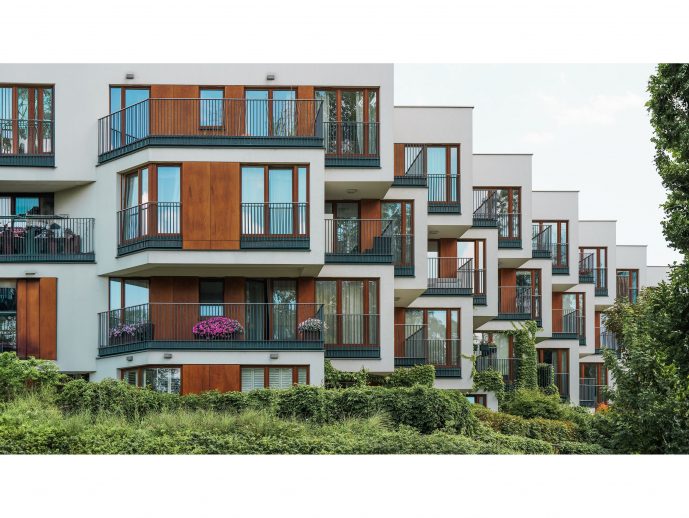
Across the United States, suburban neighborhoods are experiencing a notable uptick in the development of modern apartment complexes. These areas, once defined by rows of single-family homes and expansive lawns, are evolving as families, young professionals, and retirees seek new living alternatives. Modern apartment communities offer convenience, amenities, and flexibility that appeal to a broader range of residents. This trend is not only altering the character of neighborhoods but also diversifying the local housing stock, meeting the demand for rentals outside urban cores. For anyone interested in exploring these housing options in the Germantown area, resources like https://bludoor.com/tn/germantown/ offer insight into available communities. Driving this transformation are a variety of economic and social factors. Many people are now looking for ways to enjoy the balance of suburban tranquility with the conveniences of apartment living. As the number of renters surpasses that of homeowners in select suburbs, these areas serve as case studies in a larger shift across the country. While urban living remains attractive to some, the lure of extra space, modern amenities, and proximity to parks and schools makes the suburbs more desirable, especially when new developments cater to both young families and empty nesters. The introduction of apartments into these settings helps address changing local demographics and contributes to a more vibrant sense of community. For a detailed look at the types of apartment options available and how developers are innovating across the country, bludoor.com is an essential resource for renters and homeowners alike.
Factors Driving the Change
- Affordability: Rising prices in urban real estate markets have made homeownership harder to attain, especially for first-time buyers and younger professionals. As housing costs rise, families and individuals are seeking affordable rental options within reach of job centers and good schools. Suburban apartments frequently offer greater value without sacrificing access to amenities, making them an attractive alternative. According to a Newsweek report, more suburban renters are beginning to outnumber homeowners, highlighting a nationwide trend toward multifamily living.
- Demographic Shifts: The lifestyle preferences of millennials, who favor walkable neighborhoods with nearby shopping and entertainment, are shaping the design of suburban developments. Likewise, empty nesters and retirees are downsizing from large homes to maintenance-free apartments, seeking community engagement and convenience. This intergenerational demand is driving new projects and innovative housing solutions, as Newsweek describes in detail.
- Remote Work: The pandemic has permanently shifted the way people work, reducing the need for daily commutes to city centers. With flexible work arrangements, more professionals are choosing to live in suburban locations, prioritizing larger living spaces and nearby parks without the constraints of long commutes.
Impact on Suburban Infrastructure
The increase in suburban apartments is leading to significant changes in infrastructure and community planning. Cities are reimagining their downtowns and main streets to accommodate new residents and create mixed-use environments that blend retail, restaurants, and housing. One prominent example is Suburban Square in Ardmore, Pennsylvania, which has transformed into a lively destination with apartments, shopping, and dining all accessible on foot. This trend is helping suburbs become more sustainable and lively, offering residents a walkable alternative to traditional car-dependent neighborhoods. The shift also encourages investment in public transit, improved roadways, and enhanced public services, benefiting the entire community.
Challenges and Considerations
- Zoning Regulations: Many suburban towns were built around single-family zoning restrictions. Changing these regulations to allow for multifamily housing can be contentious. Progressive zoning reforms in states like Illinois demonstrate that legislative efforts are underway to enable greater flexibility, accommodate modern housing needs, and respond to resident demand.
- Community Integration: Integrating new developments with established neighborhoods requires thoughtful engagement with residents and proactive planning that addresses concerns over parking, aesthetics, and community compatibility.
- Infrastructure Strain: More residents in a concentrated area may strain local facilities, utilities, and transportation systems. Suburbs must anticipate these changes and invest in upgrades to maintain a high quality of life for everyone.
The Future of Suburban Living
As more people look for modern, flexible, and community-centered living arrangements, suburban areas are likely to see continued growth in apartment development. Planners and developers are collaborating to create neighborhoods that maintain suburban charm while offering urban conveniences. This includes mixed-use areas, walkability enhancements, and diverse housing choices. Such developments signal a permanent evolution in how Americans choose to live, blending the best of both worlds and fostering vibrant, inclusive communities. Prime examples can be found in city planning initiatives covered by Newsweek, which document the ongoing innovations redefining suburban life.
Conclusion
The emergence of modern apartment living in suburban neighborhoods is rapidly reshaping local housing markets and community character. Driven by shifting demographics, rising affordability demands, and evolving lifestyles, this trend offers substantial opportunities for growth, revitalization, and greater housing diversity. Thoughtful integration, responsive planning, and openness to new types of development will be key to ensuring suburbs remain attractive, inclusive, and responsive to the needs of current and future residents. As communities adapt to changing preferences, well-designed apartment developments can support local businesses, improve access to amenities, and create more connected neighborhoods. By balancing innovation with careful consideration of existing communities, suburban areas can embrace new housing solutions while preserving the qualities that make them desirable places to live.
Comments
