Categories more
- Adventures (62)
- Arts / Collectables (14)
- Automotive (77)
- Aviation (65)
- Bath, Body, & Health (123)
- Children (6)
- Cigars / Spirits (71)
- Cuisine (66)
- Design/Architecture (22)
- Electronics (63)
- Entertainment (36)
- Event Planning (115)
- Fashion (45)
- Finance (10)
- Gifts / Misc (6)
- Home Decor (118)
- Jewelry (41)
- Pets (3)
- Philanthropy (1)
- Real Estate (16)
- Services (44)
- Sports / Golf (14)
- Vacation / Travel (85)
- Watches / Pens (33)
- Wines / Vines (34)
- Yachting / Boating (67)



The Small Design Choices That Make Spaces and People Feel More Refined

Published
05/10/2026Refinement is rarely created through one dramatic statement. More often, it comes from a series of small choices working together quietly in the background. The lighting inside a room, the texture of materials, the balance of colors, and even the accessories people wear all shape how environments and individuals are perceived almost immediately. These details may seem subtle on their own, but together they create an impression of intentionality, comfort, and confidence.
Modern design has increasingly shifted away from excess and toward controlled simplicity. Spaces and personal style now tend to feel more elevated when details are balanced rather than overwhelming. The most refined environments and appearances usually rely on consistency, proportion, and thoughtful coordination instead of obvious attempts to attract attention.
Lighting Changes How Spaces Feel Instantly
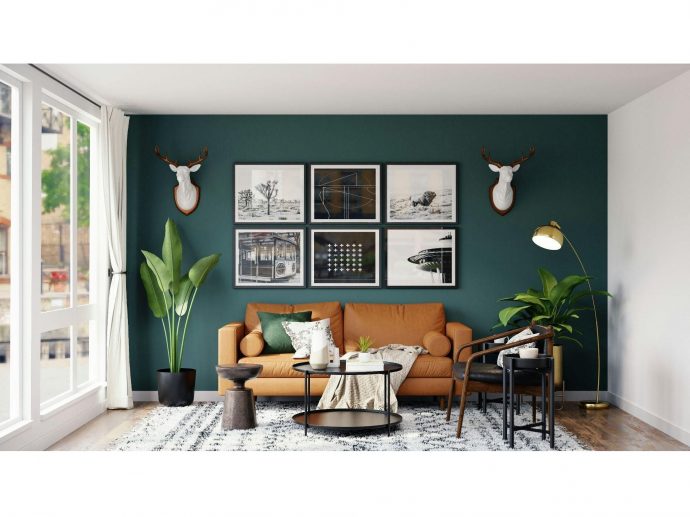
One of the most influential yet overlooked design elements is lighting. The same room can feel warm, cold, relaxing, energetic, modern, or uncomfortable depending entirely on how lighting is positioned and controlled. Harsh overhead lighting often makes spaces feel clinical, while layered lighting creates depth and softness that immediately improves atmosphere.
Professional lighting installation in Grand Rapids projects often focus not only on visibility, but also on how lighting affects mood, functionality, and visual balance throughout a space. Accent lighting, dimmable fixtures, and carefully placed ambient light help rooms feel more intentional without requiring major structural redesign.
Lighting also influences how colors, textures, and furniture appear. Warm, balanced illumination tends to make interiors feel calmer and more expensive because it softens visual contrast and creates a more cohesive environment overall.
Simplicity Often Feels More Luxurious
One reason refined spaces and appearances stand out is because they avoid visual overload. Too many competing elements usually create distraction rather than elegance. Controlled simplicity, by contrast, creates clarity that allows individual details to feel more intentional and higher quality.
This principle applies equally to interiors and personal style. Neutral foundations combined with a few carefully selected focal points often create stronger impressions than environments or outfits overloaded with competing colors, patterns, or decorative elements. Clean structure allows craftsmanship and quality to become more visible naturally.
Refinement therefore becomes less about adding more and more about editing carefully. Small adjustments in proportion, spacing, and coordination often create a more sophisticated result than dramatic redesigns or trend-driven choices.
Texture Quietly Creates Depth and Warmth
Texture is another subtle design element people notice subconsciously. Spaces and personal style both feel more refined when textures create balance and depth rather than appearing flat or overly uniform. Natural materials, layered fabrics, soft finishes, and varied surfaces all contribute to a more elevated overall impression.
In interiors, texture prevents minimalist spaces from feeling cold or sterile. Soft fabrics, matte finishes, wood tones, and layered materials create warmth without needing excessive decoration. In fashion and accessories, texture adds dimension that makes even simple outfits appear more intentional and polished.
This is why refined design often feels visually calm but still interesting. Texture introduces variation quietly, allowing spaces and personal presentation to feel complete without relying heavily on bold visual statements.
Personal Accessories Reflect Attention to Detail
Accessories often reveal refinement more clearly than major wardrobe pieces because they signal attention to detail. Hats, watches, footwear, scarves, and bags influence whether someone appears polished and intentional overall. Small accessory choices frequently shape first impressions more strongly than people expect.
Well-designed items such as imperial hats custom collections reflect the growing appreciation for personalization and quality craftsmanship within modern style. Custom accessories often feel more refined because they appear thoughtful rather than mass-produced or trend-driven.
The key is subtle coordination rather than excessive styling. Accessories tend to feel most elevated when they complement overall presentation naturally instead of competing for attention individually.
Refinement Often Comes From Consistency
Another reason certain spaces and people appear more refined is because details feel connected consistently. Lighting matches the atmosphere of the room. Colors complement each other naturally. Personal style aligns with personality and environment rather than feeling disconnected or forced.
Consistency creates calmness because nothing feels visually out of place. This does not mean everything must match perfectly, but rather that choices feel intentional within the broader environment or appearance. Spaces and people that appear refined usually maintain this balance naturally across multiple small details at once.
This principle also explains why refinement often feels effortless externally even though thoughtful choices exist underneath it. The strongest impressions usually come from coordination that feels natural rather than obviously designed to impress others.
Small Details Influence Emotional Experience
Design choices affect more than appearance alone. Lighting, texture, organization, and personal presentation all influence emotional experience in subtle ways. Well-designed environments often feel calmer, more comfortable, and easier to spend time in because visual stress is reduced.
The same applies to personal style. Balanced grooming, coordinated accessories, and thoughtful presentation often create confidence internally as well as visually. People tend to move differently and feel more comfortable socially when they feel aligned with how they present themselves externally.
This emotional connection is one reason refinement matters beyond aesthetics alone. Small design decisions shape how people experience spaces, interact with others, and feel about themselves every day, often without consciously realizing how strongly those details influence mood and perception.
Refinement Is Usually Built Through Subtlety
Perhaps the most important thing about refinement is that it rarely depends on dramatic transformation. The spaces and people that feel most elevated usually rely on subtle improvements repeated consistently over time. Better lighting, healthier textures, thoughtful accessories, and balanced presentation all contribute quietly to the final impression.
Modern refinement increasingly values authenticity over excess. Instead of trying to appear obviously luxurious, people and spaces now tend to feel more sophisticated when quality and intentionality are visible through small details rather than overwhelming statements.
The design choices people remember most are often the ones they cannot immediately identify individually. They simply recognize that a room feels calmer, a person feels more polished, or an environment feels more complete. Those impressions are usually built through many small decisions working together almost invisibly in the background.
Comments
