Categories more
- Adventures (62)
- Arts / Collectables (14)
- Automotive (77)
- Aviation (65)
- Bath, Body, & Health (123)
- Children (6)
- Cigars / Spirits (71)
- Cuisine (66)
- Design/Architecture (22)
- Electronics (63)
- Entertainment (36)
- Event Planning (115)
- Fashion (45)
- Finance (10)
- Gifts / Misc (6)
- Home Decor (118)
- Jewelry (41)
- Pets (3)
- Philanthropy (1)
- Real Estate (16)
- Services (44)
- Sports / Golf (14)
- Vacation / Travel (85)
- Watches / Pens (33)
- Wines / Vines (34)
- Yachting / Boating (67)


The Small Design Details That Make a Home Feel Luxurious

Published
05/17/2026A luxurious home does not rely on size alone. It comes from thoughtful choices that make each room feel calm, layered, and personal. Soft lighting, rich texture, beautiful materials, and carefully chosen luxury home accessories can turn everyday spaces into places that feel considered and welcoming.
Luxury at home should feel comfortable, not stiff. The best spaces invite people in. They give the eye something to enjoy without asking too much attention from every corner. A sculptural vase, a well placed mirror, a warm lamp, or a textured tray can help a room feel complete. These details may seem small on their own, yet together they shape the whole mood of a space.
Start With a Calm Foundation
Every luxurious room begins with a strong base. This does not mean the space must look plain. It means the main pieces should feel balanced and easy to live with. A sofa, dining table, bed, or console can set the tone for the rest of the room.
Neutral colors often work well as a base because they give accessories room to shine. Warm white, soft gray, sand, taupe, cream, and deep brown can all create a calm setting. From there, you can bring in richer tones through art, objects, pillows, or lighting.
A calm foundation also helps the home feel connected. When rooms share a few common colors or materials, the whole home feels more polished.
Let Lighting Shape the Mood
Lighting has a powerful effect on how a room feels. A space can have fine furniture and beautiful art, yet poor lighting can make it feel flat. Layered lighting gives a room depth.
Use ceiling lights for broad light, table lamps for warmth, and sconces or floor lamps for soft glow. This mix helps a room feel useful during the day and relaxing at night.
The style of each fixture matters too. A lamp with a ceramic base can add an earthy note. A metal sconce can bring a refined edge. A sculptural pendant can act almost like art. When lighting feels chosen with care, the whole room feels more complete.
Add Texture for Depth
Texture makes a room feel rich and inviting. Smooth stone, soft linen, woven fibers, polished metal, ribbed glass, and natural wood all bring a different feeling. When these textures work together, they add quiet interest.
A room with many flat surfaces can feel cold. Add a woven basket, a boucle chair, a wool rug, or a carved bowl to soften the look. In a dining room, textured placemats or ceramic serveware can add warmth. In a living room, pillows and throws can make the space feel relaxed.
Texture also helps a room feel personal. It invites touch and makes the space feel less like a showroom.
Use Accessories With Purpose
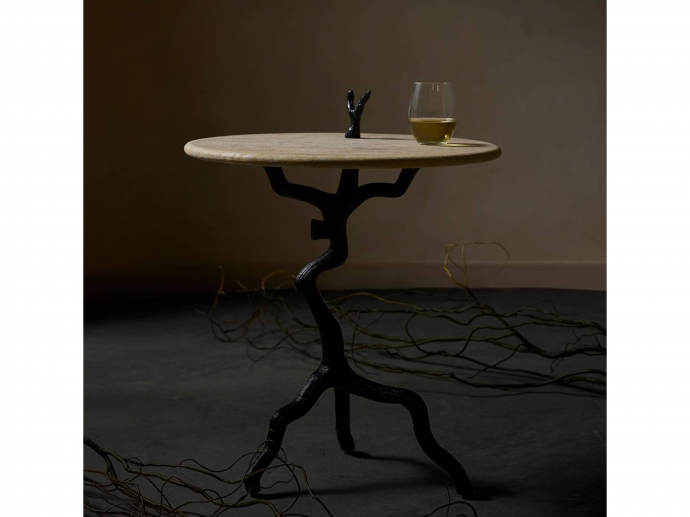
Accessories should do more than fill space. They should add shape, color, meaning, or function. A tray can gather small items on a coffee table. A bowl can bring form to a console. A mirror can reflect light and make a room feel open. A vase can add height and create a natural focal point.
When choosing accessories, think about scale. A small object can get lost on a large table. A large piece can crowd a narrow shelf. The right size helps the object feel intentional.
Group items in simple ways. Pair tall and low pieces. Mix round and straight shapes. Leave open space so each item can breathe. Luxury often comes from restraint.
Bring in Art and Objects With Character
Art and decorative objects help a home tell a story. They can reflect travel, family history, personal taste, or a favorite color palette. A room feels more inviting when it includes pieces that have meaning.
You do not need to fill every wall. One strong piece of art can set the mood for an entire room. A sculptural object on a sideboard can create the same effect. The goal is to choose pieces that feel connected to the space and to the people who live there.
Character also comes from contrast in shape and finish. A smooth vase beside a textured wall can look striking. A dark frame against a pale wall can add depth. These small pairings make a room feel more thoughtful.
Pay Attention to Surfaces
Surfaces often reveal how finished a room feels. Coffee tables, consoles, nightstands, shelves, and dining tables all offer chances to add detail.
Keep surfaces useful first. A table should still have space for a cup, a book, or a serving dish. Then add a few objects that improve the room. A stack of books, a candle, a small sculpture, or a low bowl can create a simple arrangement.
Try not to crowd every surface. Empty space gives the eye a place to rest. It also makes the pieces you choose feel more important.
Make Everyday Moments Feel Special
Luxury does not need to wait for guests or special events. Small design details can make daily routines feel better. A beautiful bowl by the entry can hold keys. A soft lamp near a reading chair can make evenings calmer. A tray on a bedside table can make the start and end of each day feel more orderly.
These details support daily life. They also remind you that a home can be both practical and beautiful.
Keep the Look Personal
A luxurious home should not feel copied from a showroom. It should reflect the people who live there. Choose pieces that suit your habits, your rooms, and your style.
Mix older and newer items. Add objects from different materials. Let some pieces stand out while others stay quiet. This mix helps the home feel collected over time.
The most elegant spaces often feel calm because each detail has a reason to be there. When you choose lighting, texture, art, and accessories with care, the home gains warmth and depth. Small details can create a lasting sense of luxury, one room at a time.
Comments
