Categories more
- Adventures (62)
- Arts / Collectables (14)
- Automotive (77)
- Aviation (59)
- Bath, Body, & Health (112)
- Children (6)
- Cigars / Spirits (71)
- Cuisine (64)
- Design/Architecture (22)
- Electronics (13)
- Entertainment (4)
- Event Planning (12)
- Fashion (45)
- Finance (10)
- Gifts / Misc (6)
- Home Decor (45)
- Jewelry (41)
- Pets (3)
- Philanthropy (1)
- Real Estate (16)
- Services (23)
- Sports / Golf (14)
- Vacation / Travel (69)
- Watches / Pens (14)
- Wines / Vines (33)
- Yachting / Boating (67)



Transforming the Modern Workspace: The Impact of Commercial Remodeling on Office Efficiency

Published
07/28/2026Key Takeaways
- Thoughtful office redesigns have a measurable impact on morale, productivity, and employee retention.
- Modern office layouts and technology integration create environments optimized for collaboration and efficiency.
- Smart energy and ergonomic upgrades promote organizational sustainability and support employee well-being.
In today's rapidly evolving business landscape, the design and functionality of an office environment directly influence employee satisfaction, productivity, and a company's overall success. Outdated workspaces can stifle innovation and collaboration, while thoughtfully remodeled offices foster a more dynamic and productive atmosphere. Partnering with Sarasota commercial remodeling contractors ensures expert guidance throughout every stage of the renovation process, resulting in functional, modern offices that support both organizational goals and employee well-being.
Strategic commercial remodeling goes beyond visual upgrades. It incorporates updated layouts, modern technology, improved ergonomics, and advanced energy efficiency systems, all tailored to meet the changing needs of contemporary business. Forward-thinking companies recognize that office renovations are vital investments that pay dividends in workforce morale, retention, and operational excellence.
Optimizing Office Layout for Enhanced Workflow
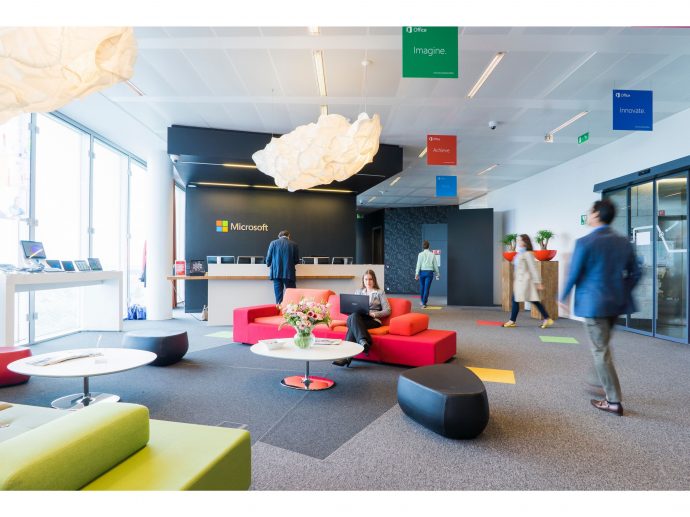
One of the cornerstones of effective commercial remodeling is reconfiguring the office layout to support organizational goals and daily workflows. Open floor plans promote spontaneous communication, teamwork, and innovation, while quiet, designated areas provide much-needed space for focused work. Offices that embrace flexibility and collaboration in their layout see higher levels of engagement and productivity. Strategic use of space also allows for scalable growth, an essential factor for businesses navigating fluctuating project demands and evolving teams.
Renovated spaces not only modernize aesthetics but also enhance day-to-day function, improving circulation throughout the office and reducing bottlenecks that disrupt productivity. Professional contractors can guide your business in making changes that meet current needs while planning for future adaptability.
Integrating Advanced Technology to Boost Collaboration
As workforces become increasingly dependent on technology, upgrading IT infrastructure has become a nonnegotiable aspect of any office remodel. From high-speed wireless networks and integrated AV systems to smart lighting and environmental controls, these innovations streamline workflow and support hybrid or remote work models. Cisco’s senior vice president for workplace resources notes that businesses prioritizing IT and connectivity during projects see the greatest payoff in seamless collaboration and operational efficiency.
Advanced technological solutions not only facilitate communication among team members but also provide the analytics and systems management needed to maximize building performance and reduce downtime. Ensuring the future-readiness of your office IT backbone allows you to quickly adopt new tools as business demands evolve.
Improving Lighting and Ergonomics for Employee Health
Lighting and ergonomics significantly influence employee contentment and productivity. Research demonstrates that access to natural lighting improves mood, alertness, and overall job satisfaction. Upgraded office plans maximize window space and introduce adjustable, energy-efficient lighting solutions to counteract eye strain and fatigue.
Ergonomic furniture and well-designed workstations also help minimize the risk of musculoskeletal disorders and reduce absenteeism. Promoting healthy postures, movement, and comfort leads to lasting benefits for both staff and the company.
Enhancing Energy Efficiency
Commercial remodels offer the opportunity to install energy-saving systems, such as advanced HVAC controls, occupancy-based lighting, and smart thermostats. These solutions help reduce utility bills and align your company’s operations with broader sustainability goals. According to the U.S. Department of Energy, businesses can achieve substantial cost savings and reduce their carbon footprint by implementing efficient heating and cooling systems and automated controls.
Designing Flexible Workspaces
Modern businesses need adaptable workspaces that can evolve as organizations grow and project requirements shift. Remodeled offices with movable partitions, multipurpose rooms, and modular furniture enable rapid reconfiguration. This flexibility supports everything from impromptu brainstorm sessions to confidential meetings, ensuring the workplace remains nimble and relevant.
Incorporating Wellness Areas
Dedicated spaces that promote wellness are becoming increasingly common in commercial remodels. From break rooms stocked with healthy options to onsite gyms, quiet zones, and meditation rooms, these amenities support employee mental and physical health. Providing opportunities to reset throughout the workday contributes to higher engagement and lower stress levels, both of which translate into improved workplace performance.
Enhancing Brand Image
Office design is a concrete reflection of your company’s values and culture. A modern, appealing workspace conveys professionalism and innovation to clients, partners, and visitors. Remodeling allows businesses to strengthen their brand identity, fostering connections and trust with both employees and external stakeholders. Collaborative spaces and visually engaging designs demonstrate a commitment to enhancing the employee experience and supporting long-term organizational growth.
Conclusion
Investing in commercial remodeling is a smart, strategic decision for companies aiming to remain competitive and foster a thriving work culture. Upgrading layouts, embracing new technology, prioritizing ergonomics, and implementing energy-saving measures all combine to create workspaces that drive productivity and satisfaction. Modern office designs enable organizations to adapt to change seamlessly, attract and retain top talent, and project a confident brand to all who step through their doors.
Comments
