Categories more
- Adventures (62)
- Arts / Collectables (14)
- Automotive (77)
- Aviation (65)
- Bath, Body, & Health (123)
- Children (6)
- Cigars / Spirits (71)
- Cuisine (66)
- Design/Architecture (22)
- Electronics (63)
- Entertainment (36)
- Event Planning (115)
- Fashion (45)
- Finance (10)
- Gifts / Misc (6)
- Home Decor (118)
- Jewelry (41)
- Pets (3)
- Philanthropy (1)
- Real Estate (16)
- Services (44)
- Sports / Golf (14)
- Vacation / Travel (85)
- Watches / Pens (33)
- Wines / Vines (34)
- Yachting / Boating (67)


Trends Shaping the Modern Custom Home Design-Build Process

Published
03/17/2026Key Takeaways
- Growing demand for green building practices and eco-friendly solutions
- Smart home technology is becoming integral to daily living
- Wellness-focused spaces for health and relaxation
- Revitalization of interiors with natural materials and textures
- Flexible design concepts for adaptable, multi-purpose rooms
Table of Contents
- Sustainable Building Practices
- Smart Home Integration
- Wellness-Focused Design
- Natural Materials and Textures
- Flexible and Multi-Functional Spaces
- Final Thoughts
Custom home building is undergoing a remarkable transformation as homeowners and builders embrace innovative ideas and refined processes. Central to this evolution is the design-build method, in which design and construction are fully integrated under a single contract. This approach offers enhanced collaboration and a seamless journey from concept to completion. For those seeking inspiration or planning to build a dream home, understanding the latest trends in custom home design is crucial.
For those interested in exceptional craftsmanship, the luxury custom home design and build services offered by Dotty Brothers Construction set a high standard within the Brainerd Lakes region. Their dedicated process unites architectural vision, expert project management, and construction excellence, resulting in personalized homes that embody both quality and luxury. As recognized leaders in northern Minnesota’s custom home market, their site provides essential insights for anyone considering building a distinctive residence tailored to their lifestyle needs.
With these trends at the forefront, today’s homeowners have a unique opportunity to create living spaces that reflect not only personal style but also embrace smart living, energy efficiency, and long-term flexibility.
Staying in tune with these drivers can help homeowners collaborate effectively with their design-build partners, resulting in a smoother journey and a home that stands out for years to come.
Sustainable Building Practices
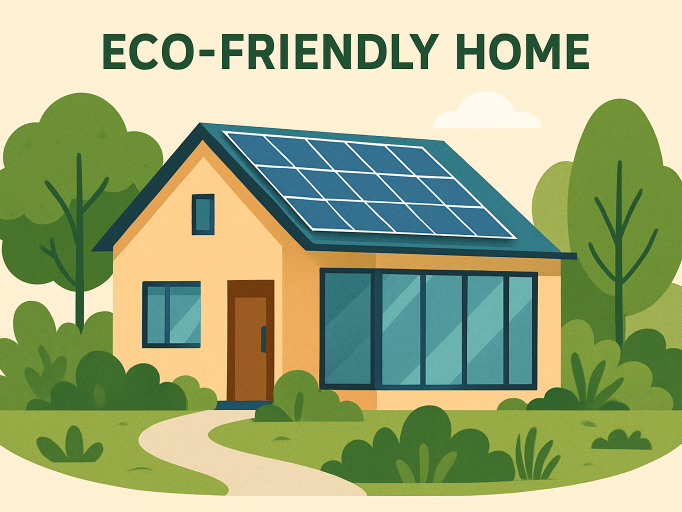
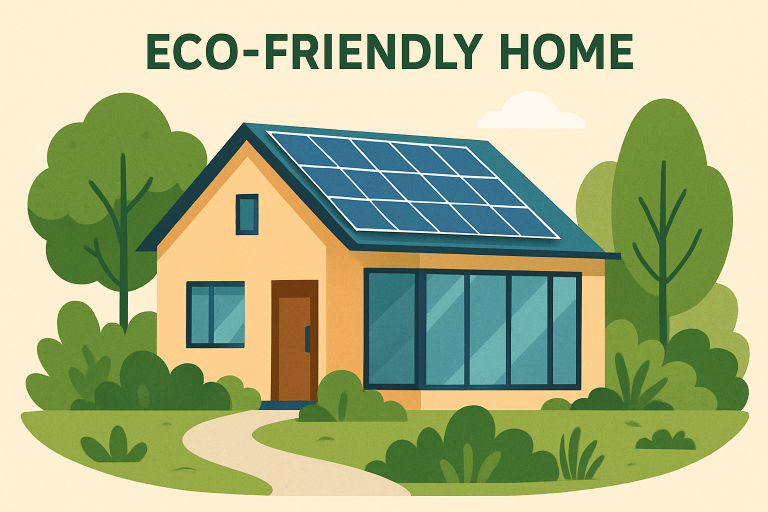
Environmental stewardship is now a central feature of modern custom home projects. More homeowners are demanding sustainable materials and technologies that prioritize both eco-friendliness and utility cost savings. The use of advanced insulation, high-performance windows, and building supplies made from recycled or regionally sourced materials is quickly becoming the norm. Many new homes are also integrating renewable energy solutions, such as rooftop solar panels or geothermal systems, to reduce both their environmental impact and long-term operating costs.
The escalation of green building standards is not just a passing trend but part of a global movement toward resilience and sustainability in the built environment. Builders and clients alike recognize that homes designed with efficiency in mind not only reduce waste and pollution but also provide healthier, more comfortable surroundings for occupants.
Smart Home Integration
As technology evolves, smart home features have become more accessible and desirable than ever. Home automation systems now deliver seamless control over everything from lighting and temperature to entertainment and security, all from a smartphone or voice-activated hub. The introduction of universal protocols, like Matter, now allows devices from different brands to work together effortlessly, making it easier to create a connected home experience.
This sophisticated integration enhances everyday convenience, saving time and energy while supporting a higher quality of life. Homeowners increasingly view these features not as optional luxuries but as investments in comfort and future-proofing their properties as technology continues to advance.
Wellness-Focused Design
Interest in wellness-centered living has inspired a new wave of residential design priorities. Homeowners are purposefully including areas that promote physical health and emotional well-being. Features such as in-home fitness studios, yoga spaces, saunas, and spa-like bathrooms are increasingly integrated into floor plans. Many are also choosing to bring nature indoors, using biophilic design practices that include living plants and water features for a calming effect.
These restorative elements are carefully balanced with open, light-filled layouts that reduce stress and foster relaxation. This shift reflects a broader understanding that home environments play a major role in supporting holistic health and everyday happiness.
Natural Materials and Textures
There is a strong resurgence in the use of authentic, organic materials to create welcoming atmospheres in today’s custom homes. Reclaimed wood beams, natural stone accents, and textural plasters are bringing depth and warmth to interiors. Homeowners are seeking out materials that are both durable and visually appealing, contributing to a timeless look that also aligns with environmentally responsible practices.
The preference for earthy color palettes and raw finishes helps forge a close connection between indoor spaces and the natural world. This design philosophy prioritizes comfort, authenticity, and tranquility, which can significantly enhance residents' mood and quality of life.
Flexible and Multi-Functional Spaces
Today's homeowners want spaces that can evolve with their lives. Flexible room layouts accommodate changing family sizes, work-from-home demands, guest stays, and leisure activities. Thoughtful planning produces rooms that can easily transition from a home office to a guest bedroom, or from a dining area to a creative studio.
This adaptability makes the home more efficient, future-ready, and livable. With the right design-build team, multi-functional concepts can be seamlessly incorporated into every part of the home, supporting the unknowns and opportunities of modern family life.
Final Thoughts
The modern custom home design-build process is guided by progressive trends in sustainability, smart technology, wellness, natural aesthetics, and adaptability. Partnering with an established builder who champions these values assures that your custom home will not only meet your current needs but also remain relevant as lifestyles and technologies continue to change. By embracing these innovations, homeowners can create properties that reflect their personal vision while maximizing comfort, efficiency, and long-term value for generations to come.
Comments
